




403
Sorry!!
Error! We're sorry, but the page you were looking for doesn't exist.
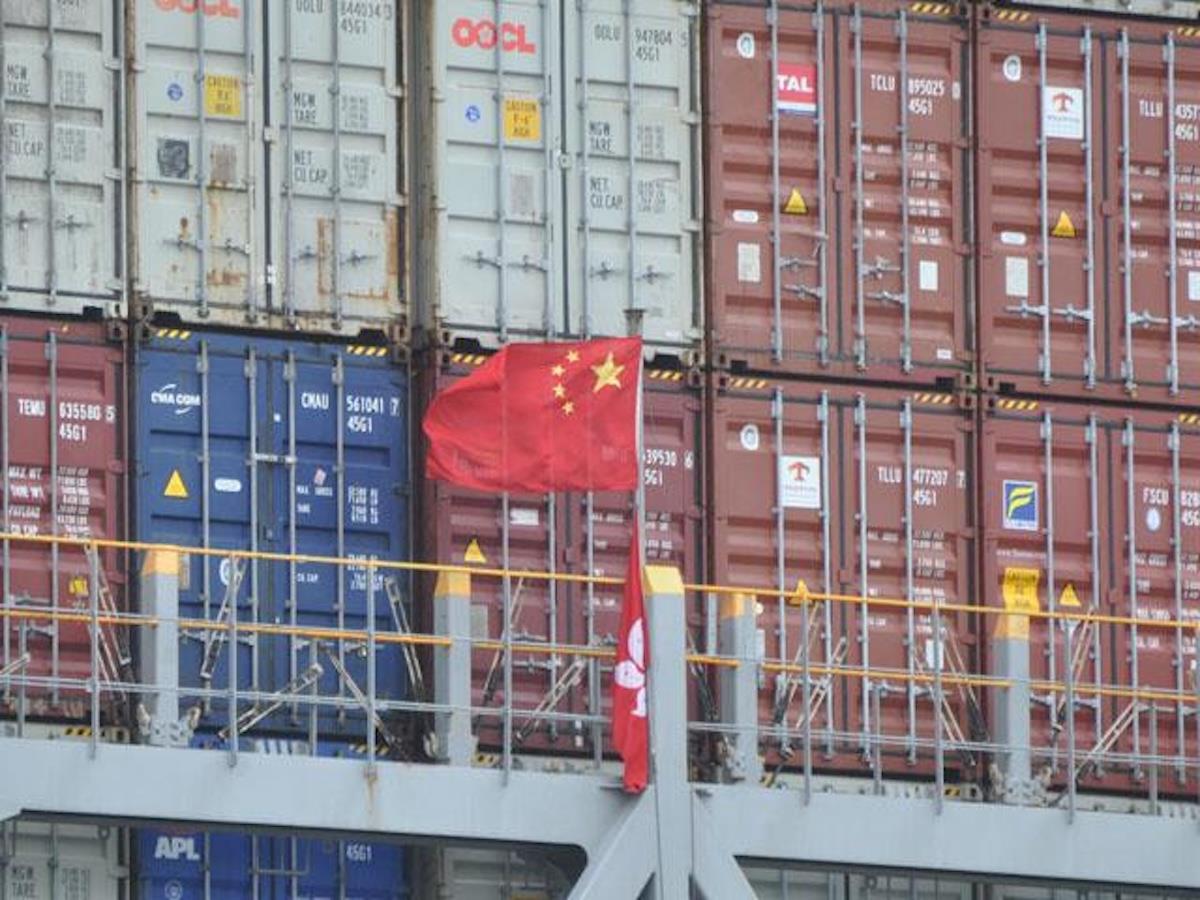
China Slashes Hundreds Of Tariffs In Strategic Trade War Twist
(MENAFN- Asia Times)
Beijing's December 29 announcement of the 2026 Tariff Adjustment Plan provides a clear window into the priorities of its 15th Five-Year Plan.
Beginning January 1, China will reduce import duties on 935 items to levels below Most-Favored-Nation rates. While such moves are often framed as technical administrative updates, the specific composition of this list suggests a deeper strategic recalibration.
Beijing is not pursuing a broad policy of trade liberalization; rather, it is implementing a targeted opening designed to secure the critical inputs necessary for industrial self-reliance.
The timing of this adjustment is significant. It follows the October summit in Busan between President Xi Jinping and President Donald Trump, which established a fragile stabilization in bilateral ties.
By lowering barriers to high-tech components and advanced materials now, China is acting to fortify its industrial base before any potential shifts in the geopolitical weather. This is a policy of preemptive resilience.
Beijing is well aware that the“Busan Consensus” is a tactical truce rather than a permanent settlement. Consequently, it is using this window to accelerate the acquisition of technologies it cannot yet produce at scale.
The list of 935 items reveals a preoccupation with three pillars: technological self-sufficiency, the green transition and public health. Notable additions to the tariff subheadings include“intelligent bionic robots” and“bio-aviation kerosene.”
Latest stories Russia-India defining drivers of the future of trade America's world turned upside down Indonesia's palm oil power only as strong as its sustainabilityThe inclusion of bionic robotics is particularly telling. It signals a state-led effort to address the demographic reality of a shrinking workforce through rapid automation. By lowering the cost of importing the foundational components for these systems, the government is effectively subsidizing the modernization of its factory floors.
This approach also reflects a shift in how the Chinese leadership views“involution,” or the destructive domestic competition that has plagued sectors like electric vehicles. The 2026 plan suggests that the solution to overcapacity is not simply to produce more, but to produce with greater sophistication.
By facilitating the import of advanced materials and“black mass” for battery recycling, Beijing is attempting to move its industries up the value chain. The goal is to transform China from a volume-driven manufacturing hub into a high-value innovation center.
On the diplomatic front, the tariff plan serves as a tool for regional integration. China will maintain zero-tariff treatment for 43 least-developed countries and continue preferential rates for its 34 trading partners under agreements like the Regional Comprehensive Economic Partnership (RCEP).
This serves a dual purpose. First, it anchors the global south more firmly into China's economic orbit. Second, it creates an asymmetric trade environment where China remains open to the developing world and key regional partners, even as it navigates a more contested relationship with the West.
The internal logic of the 15th Five-Year Plan, which officially begins this week, emphasizes“high-quality development.” In practice, this means prioritizing sectors that provide“new quality productive forces,” such as integrated circuits, aerospace and biomedicine.
The reduction of tariffs on artificial blood vessels and diagnostic kits for infectious diseases aligns with this mandate. As the Chinese population ages, healthcare is no longer just a social issue; it is a strategic industrial sector.
Ensuring access to advanced medical technology is essential for maintaining social stability while the economy undergoes a painful structural transition away from its traditional reliance on real estate.
Critics might argue that these tariff cuts are too specific to stimulate broad domestic consumption, which remains the primary weakness in the Chinese economy. However, this view misinterprets the government's current objective. The leadership is not primarily focused on a consumer-led recovery in the Western sense.
Sign up for one of our free newsletters-
The Daily Report
Start your day right with Asia Times' top stories
AT Weekly Report
A weekly roundup of Asia Times' most-read stories
Instead, it is doubling down on a supply-side transformation. The 2026 tariff adjustments are an investment in the“hardware” of the state. By making it cheaper to import what is necessary for high-tech manufacturing, Beijing is betting that industrial strength will eventually generate the high-paying jobs required to revive the middle class.
The international community should view these adjustments as a signal of China's long-term intent. The state is becoming more selective about what it lets in, but it is also becoming more aggressive about securing the specific tools it needs for the next phase of its development.
This“strategic openness” is a sophisticated response to an era of de-risking and decoupling. Rather than closing its doors, China is choosing exactly which windows to leave open to ensure it remains the indispensable node in the global supply chain.
As 2026 begins, the success of this strategy will depend on whether Beijing can successfully manage the friction between its drive for self-reliance and its need for global inputs. For now, the State Council has made its move.
The 2026 tariff plan is the first practical application of the 15th Five-Year Plan, and it describes a nation that is preparing for a future defined more by technological competition than by simple trade.
Sign up here to comment on Asia Times stories Or Sign in to an existing accounThank you for registering!
An account was already registered with this email. Please check your inbox for an authentication link.
-
Click to share on X (Opens in new window)
Click to share on LinkedIn (Opens in new window)
LinkedI
Click to share on Facebook (Opens in new window)
Faceboo
Click to share on WhatsApp (Opens in new window)
WhatsAp
Click to share on Reddit (Opens in new window)
Reddi
Click to email a link to a friend (Opens in new window)
Emai
Click to print (Opens in new window)
Prin

Legal Disclaimer:
MENAFN provides the
information “as is” without warranty of any kind. We do not accept
any responsibility or liability for the accuracy, content, images,
videos, licenses, completeness, legality, or reliability of the information
contained in this article. If you have any complaints or copyright
issues related to this article, kindly contact the provider above.
Most popular stories
Market Research








Comments
No comment