



403
Sorry!!
Error! We're sorry, but the page you were looking for doesn't exist.
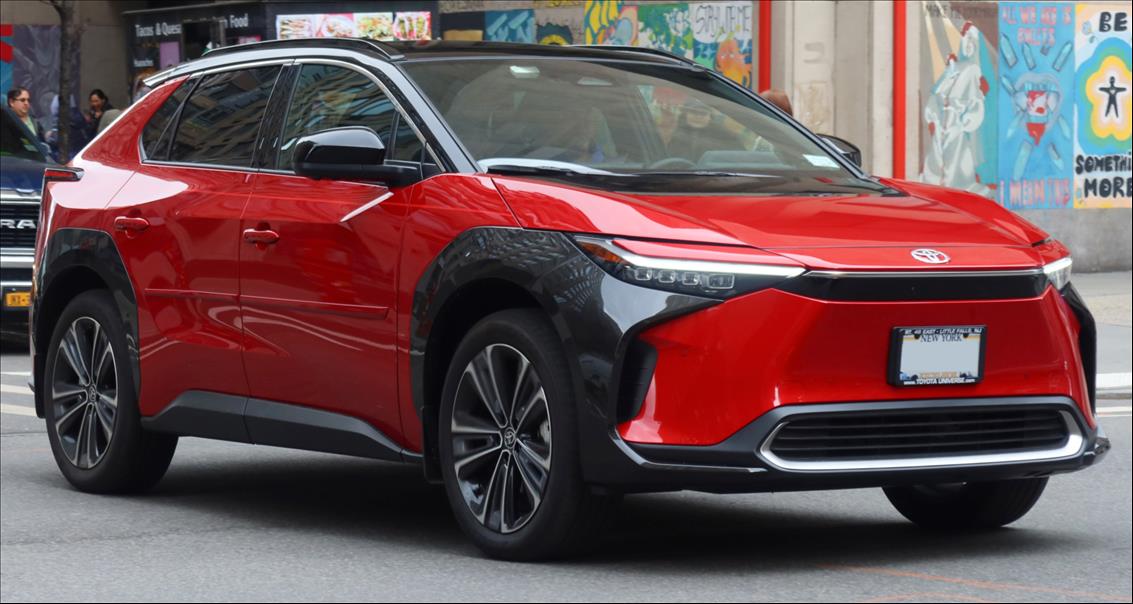
Toyota Targets Output Above 10 Million Vehicles In 2026
(MENAFN- The Arabian Post)
Toyota Motor has begun informing key parts suppliers that it expects global vehicle production to exceed 10 million units in 2026, reflecting confidence that demand for its petrol-electric hybrids will remain strong, particularly in the United States, while battery-electric sales grow at a steadier pace.
The guidance, shared during routine planning discussions with suppliers, signals that the world's largest automaker is preparing for volumes that would place it back above the threshold reached before pandemic-era disruptions and subsequent supply chain constraints. Toyota produced just over 10.3 million vehicles globally in 2023, including output from its luxury brand Lexus, before easing production growth in 2024 amid logistics bottlenecks, safety certification reviews at some domestic plants, and a cautious stance on market demand.
Industry executives familiar with the discussions say the company's planning assumptions for 2026 hinge on sustained global appetite for hybrids, which combine internal combustion engines with electric motors and batteries. Toyota dominates this segment, with hybrid models accounting for a growing share of its sales mix in North America, Europe and parts of Asia. In the United States, hybrids have benefited from consumers seeking fuel efficiency without the higher upfront cost and charging concerns associated with fully electric vehicles.
Toyota's hybrid strategy has become a defining feature of its broader approach to electrification. While many rivals have prioritised rapid expansion of battery-electric line-ups, Toyota has continued to argue that multiple powertrain technologies will be needed during the transition away from fossil fuels. That view appears to be resonating with buyers in markets where charging infrastructure remains uneven and electricity prices volatile.
See also Ford charts extended-range path for electric pickupExecutives at major automotive suppliers say Toyota has asked them to prepare capacity plans consistent with higher volumes from the second half of the decade, while also maintaining flexibility in case market conditions shift. The company typically shares medium-term production outlooks well in advance to allow suppliers to plan investments in tooling, labour and logistics, a practice that has helped stabilise its supply chain during periods of disruption.
The projected rise in output comes as Toyota expands production of hybrid components, including electric motors, power control units and battery packs, at facilities in Japan, the United States and Europe. In North America, the group has been increasing investment in its manufacturing footprint, including battery plants designed to supply hybrids and plug-in hybrids as well as future electric models.
Toyota's outlook contrasts with a more cautious tone adopted by some global peers, several of which have delayed or scaled back electric-only expansion plans in response to slower-than-expected demand growth and pricing pressure. Analysts note that Toyota's diversified powertrain portfolio has allowed it to capture consumers shifting away from conventional petrol vehicles without relying heavily on incentives.
At the same time, the automaker faces challenges that could affect its ability to reach the 2026 target. Currency volatility, particularly movements in the yen, could influence export competitiveness and profit margins. Regulatory requirements in major markets are also tightening, with stricter emissions standards in Europe and parts of Asia expected to require further efficiency gains across Toyota's fleet.
Supply chain resilience remains another factor. Although semiconductor availability has improved since the acute shortages of 2021 and 2022, geopolitical tensions and concentration of chip production in certain regions continue to pose risks. Toyota has responded by increasing inventory buffers for critical components and working with suppliers to diversify sourcing.
See also Ford and Renault join forces to build affordable EVs for EuropeLabour availability is also under scrutiny as the company ramps up output. Automotive manufacturers globally are contending with ageing workforces and competition for skilled technicians, particularly in areas related to electrified powertrains and software. Toyota has been investing in training programmes and automation to mitigate these pressures, though such measures require time to yield results.
Market conditions in China, the world's largest automotive market, add another layer of uncertainty. Domestic manufacturers there have accelerated development of competitively priced electric vehicles, intensifying competition for foreign brands. Toyota has been adjusting its China strategy by collaborating more closely with local partners and tailoring models to regional preferences, but sales growth has lagged that of some domestic rivals.
Despite these headwinds, analysts say Toyota's conservative planning culture makes the signal to suppliers noteworthy. Production targets communicated years in advance are typically based on internal demand forecasts that factor in economic cycles and policy trends. Exceeding 10 million vehicles in 2026 would require not only steady consumer demand but also smooth execution across manufacturing and logistics networks spanning dozens of countries.
Notice an issue? Arabian Post strives to deliver the most accurate and reliable information to its readers. If you believe you have identified an error or inconsistency in this article, please don't hesitate to contact our editorial team at editor[at]thearabianpost[dot]com. We are committed to promptly addressing any concerns and ensuring the highest level of journalistic integrity.

Legal Disclaimer:
MENAFN provides the
information “as is” without warranty of any kind. We do not accept
any responsibility or liability for the accuracy, content, images,
videos, licenses, completeness, legality, or reliability of the information
contained in this article. If you have any complaints or copyright
issues related to this article, kindly contact the provider above.
Most popular stories
Market Research

More Story







Comments
No comment