








403
Sorry!!
Error! We're sorry, but the page you were looking for doesn't exist.
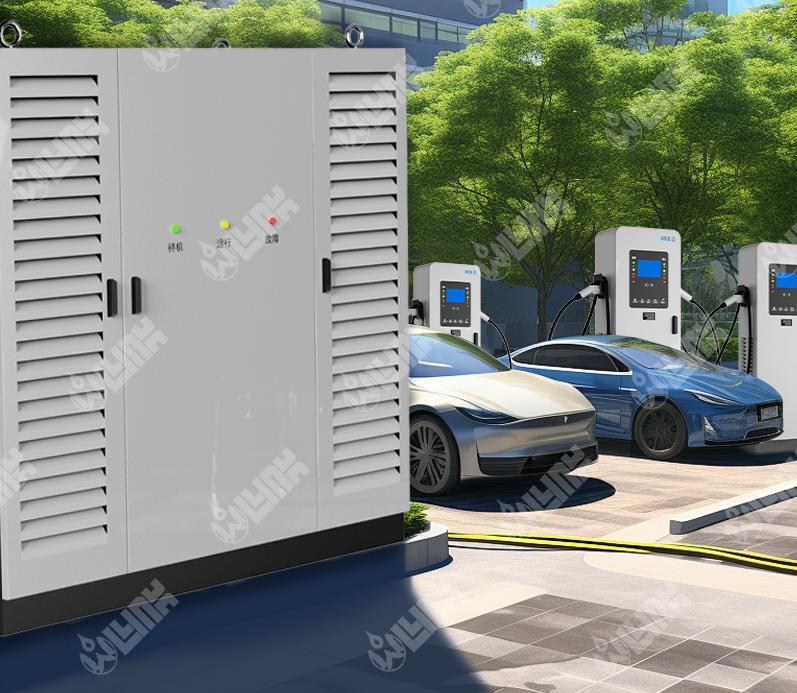
What Is A Level 4 Charging Station Industry Trends And Best Practices
|
Level / Type |
Typical Power Output |
Typical Use Case |
Time to Add Significant Range / Charge |
Typical Cost / Installation Scale |
Typical Compatibility |
|
Level 1 (AC, 120 V) |
~1–2 kW |
Home, occasional charging |
8–20 hrs full charge / ~2–5 miles per hour |
Very low - outlet only; no major equipment cost |
All EVs (basic plug) |
|
Level 2 (AC, 240 V / 208 V) |
~3 kW to ~19–22 kW |
Home, workplace, apartments, public parking |
Full charge in ~4–8 hr; ~10–60 miles per hour added |
Moderate: charger + installation; often a few hundred to a few thousand USD |
Nearly all EVs with AC charging support |
|
DC Fast Charging /“Level 3” |
~50–350 kW typical |
Public fastcharging stations, road trips |
~20–40 min to 80% (varies by battery size & charger power) |
High: hardware + installation, often tens of thousands USD per port |
Most modern EVs (with CCS / CHAdeMO / relevant DC inlet) |
|
“Level 4” / High-Power DCFC (HPC) |
360–600 kW (or more) |
Highway rest stops, commercial fleets, longrange travel |
Often 10–20 min from ~10% → ~80% under good conditions on compatible cars |
Very high: equipment + grid upgrades; 350 kW+ stations: $75,000–150,000+ per port (equipment + install) |
Only high-voltage / highpower EVs that support >350 kW DC input |
What This Comparison Tells Us
When you look at the table, it's clear that higher charging levels = more power, faster charging, but much greater cost and infrastructure needs. A standard home driver may never need more than Level 2, because overnight charging is simple and cheap. For travel, long-distance trips, or commercial fleets, DC fast charging (50–350 kW) already offers a good balance of speed and availability.
However,“Level 4” / high‐power DCFC (360–600 kW) can deliver a huge advantage - when the EV supports high‐power input, and when the charging station has the right infrastructure. Under ideal conditions, many modern EVs can go from nearly empty to ~80% in 10–20 minutes, which is a game changer for long road trips or fleet operations. The tradeoff is high cost and complexity. For example, building a 350 kW+ charger with full installation might cost $75,000 to over $150,000 per port.
The future may bring megawatt‐class charging (MCS) - especially for heavy trucks - which pushes power even higher (600–1000+ kW). But this requires much more grid infrastructure, expensive transformers and power electronics. Its compatibility is currently limited to specialized EVs designed for such loads.
Why“Level 4” Matters - and What to Watch Out For
Calling a charger“Level 4” immediately signals ultra-fast, high-power DC charging. For drivers who use long‐range EVs, or for fleets that need quick turnaround, this is a major benefit. From the perspective of EV charging solutions manufacturers and providers of EV charging equipments, Level 4 pushes technology forward - but it also raises the bar on installation cost, grid requirements, and safety/regulation compliance. As networks expand, we'll likely see more Level 4 stations on highways, but broad adoption will depend on EV compatibility, infrastructure investment, and perhaps regulatory support.
In sum: the jump from Level 2 → DC Fast → Level 4 represents increasingly aggressive charging strategies. Each step offers speed - but also demands more planning, investment, and EV readiness. For most users, the right choice depends on driving habits, charging access, and how they use their EV.
Infrastructure Requirements for Level 4 ChargingHigh-Voltage Grid Supply
Level 4 charging stations require a robust power source, typically 800–1000 V supply or higher, to deliver hundreds of kilowatts safely. High voltage reduces current, lowering heat and cable losses. Many sites need utility upgrades, new transformers, or direct connection to high-capacity distribution lines to handle high, instantaneous loads. Studies indicate that peak demand along highway charging corridors can range from 70 to 400 MW, often exceeding older grid capacities. (nrel)
Battery Energy Storage Systems (BESS)
To reduce peak load stress, many high-power stations incorporate BESS. These systems charge slowly from the grid during off-peak hours and discharge during fast-charging events. This helps smooth demand spikes, reduce peak charges, and maintain reliability, making them a standard feature for commercial or fleet-focused stations. (arxiv)
Cooling Systems
Ultra-fast charging generates substantial heat in cables and charging guns. Liquid-cooled connectors and cables are essential to maintain safe temperatures, lower resistance, and protect both the EV battery and charging hardware. Proper thermal management ensures consistent performance even under heavy usage or hot climates.
Civil Works and Site Preparation
Beyond electrical systems, the physical site requires concrete pads, switchgear enclosures, transformers, cooling units, and trenching for cabling. Recent reports show that make-ready costs and civil works often equal or exceed the charger hardware cost, highlighting the importance of proper planning. ca)
In A functional Level 4 station depends on four key pillars: strong grid supply, battery storage, liquid cooling, and robust civil infrastructure. Together, they enable high-power, fast, and reliable EV charging, meeting the demands of modern long-range vehicles and commercial fleets.
Compatibility: Which EVs Can Use Level 4?EVs That Support 350 kW+ Charging
Today, several EVs can utilize 350 kW or higher DC fast charging, falling into the so-called“Level 4” category. Examples include the Hyundai Ioniq 5 and 6, Kia EV6, Porsche Taycan, Lucid Air, and some Chinese brands like Xpeng G9, Nio, and Zeekr. These vehicles typically feature high-voltage platforms (800 V or higher) and advanced thermal management, allowing rapid charging - often from 10% to 80% in around 18–20 minutes under ideal conditions.
Why Many EVs Cannot Fully Use Level 4
Despite the availability of high-power chargers, most EVs cannot take full advantage of Level 4. The main limitations are battery voltage platform, BMS restrictions, and thermal management. Many older or budget EVs use 400‐volt architectures, which cannot safely accept the high current and voltage required for 350 kW+ charging. Even vehicles with high-voltage systems often throttle charging as the battery fills to protect battery health, particularly beyond 50–60% state-of-charge.
Key Requirements for Level 4 Compatibility
To truly benefit from Level 4 charging, an EV needs three main features: a high-voltage battery platform (800 V or more), a capable BMS with thermal control, and DC fast-charging inlet and standards compliance. Without these, the vehicle will charge at lower rates, and the potential speed advantage of Level 4 chargers will be limited.
Applications: Where Level 4 Charging Makes Sense
Level 4 fast charging isn't just a technical novelty - it shines in real‐world scenarios where speed, uptime, or heavy usage matter. Here are the main use cases where“350 kW+ DC fast charging / high‐power charging (HPC)” delivers real value.
Public Fast‐Charging Stations & Long‐Distance Travel
High‐power chargers are especially useful at highway rest stops, travel centers, and intercity charging hubs. As public and commercial charging infrastructure expands, the share of fast DC chargers is growing rapidly: recent data shows a sharp increase in DC fast EV charging ports added across the U.S. and Europe, indicating rising demand for quick refuels during travel or road trips.
When a station offers Level 4 speed, a driver can regain significant range during a typical meal or rest break - turning charging downtime into a short stop instead of a long wait.
Urban Mobility & Ride‐Hailing / Taxi Services
For taxis, ride‐hail cars, or urban mobility fleets, downtime is money lost. Ultra‐fast charging means these vehicles don't have to sit idle for hours - they can top up quickly between shifts or rides and get back on the road. Many operators are already exploring this: according to recent industry analyses, the improved charging speed and increasing charger deployment have accelerated fleet electrification adoption.
Commercial Fleets, Logistics & Delivery Vehicles
Delivery vans, logistics trucks, and other commercial vehicles benefit strongly from high‐power charging. For fleets needing frequent use and minimal downtime, Level 4 charging helps ensure vehicles spend more time driving and less time waiting for power. As fleet charging becomes more common, ultra-fast DCFC becomes an attractive charging solution that helps operators maintain high utilization rates.
Heavy Trucks and Future Megawatt Charging (MCS) - The Long‐Haul Future
For heavy‐duty EV trucks and long‐haul freight, the next step beyond Level 4 is megawatt‐class charging (MCS) - chargers delivering 600 kW to 1 MW+. This enables large battery packs to recharge quickly enough for long-distance haulage, making electric freight more feasible. As analyzed in a recent study, a network of a few thousand public MCS chargers may already be sufficient to support widespread electric trucking in Europe.
Safety & Standards
For a charging station to qualify as“Level 4,” it must meet strict safety and standard requirements so users remain safe and equipment remains reliable. Below is how safety and standardization work for high‐power EV charging.
Charging Interfaces - What's Used Around the World
The most common connectors in the EV world include CCS (Combined Charging System), CHAdeMO, NACS (used by some legacy/transition vehicles), and the emerging MCS (Megawatt‐Class Charging) standard - which is meant for future heavy‐duty or high‐power EVs.
Using a standard connector ensures that cars and chargers“speak the same language.” This compatibility, along with communication protocols like ISO 15118, helps manage charging safely, handle authentication (“plug & charge”), and monitor data exchange.
High‐Power Safety Requirements
When you push hundreds of kilowatts through a charging cable and into a battery, safety is critical. High‐power charging stations must include several protective systems: temperature control, cable and insulation monitoring, ground‐fault (leakage) detection, and robust circuit‐breaker / contactor protection. These features guard against overheating, short circuits, insulation failures, or stray currents that could cause fire or electric shock. Many public DC charging stations now include DC leakage detection and ground‐fault interrupters (GFCI/RCD) to meet international safety standards such as IEC 61851 or, in North America, UL 2202 / NEC 625 compliance.
Beyond electrical protections, high‐power charging often demands thermal management - especially for cables and connectors - to avoid overheating under heavy loads or in hot climates. Proper cooling and insulation are essential to ensure both user safety and long‐term durability.
Why Standards and Safety Matter
Without standard connectors and safety mechanisms, EV charging stations would be chaotic: vehicles from different manufacturers might not fit, and high‐power charging could pose fire, shock, or equipment‐damage risks. By unifying around standards like CCS, CHAdeMO (or future MCS), and ISO 15118 - and by embedding safety protocols - the EV ecosystem ensures both convenience and protection.
In short: to safely support“Level 4 / high‐power DC fast charging,” a station must combine a recognized interface standard with rigorous protection systems - including insulation monitoring, leakage detection, thermal control, and compliant circuit protection. Only then can EV users charge quickly without compromising safety.
Pros & Cons of Level 4 Charging
Level 4 charging - ultra-fast DC charging at 350 kW and above - offers major benefits but also comes with significant challenges. Understanding these pros and cons helps businesses, fleet operators, and EV users decide where and when such high-power charging is worthwhile.
Pros of Level 4 Charging
The most obvious advantage is ultra-fast charging speed. Modern EVs that support high-power DC input can reach 10% to 80% state-of-charge in 10–20 minutes, turning long waits into short breaks.
For commercial charging stations, Level 4 significantly boosts throughput and efficiency. Fewer vehicles occupy each charger at a time, reducing congestion during peak periods. This also helps reduce“range anxiety” for drivers, as long-distance trips become feasible without long waits. energy)
High-power charging also opens opportunities for urban mobility and fleet operations, including taxis, ride-hailing, delivery, and logistics fleets, because downtime is minimized and operational efficiency improves.
Cons of Level 4 Charging
The main drawback is high cost. Installing a 350 kW+ charging station with all necessary infrastructure - grid upgrades, battery storage, liquid-cooled cables, and civil works - can cost $75,000 to $150,000 per port or more.
Level 4 chargers also put significant stress on the electrical grid. High instantaneous loads require either grid upgrades or integration of battery energy storage systems (BESS) to prevent overloads.
Another limitation is vehicle compatibility. Many EVs on the road today cannot accept 350 kW+, either due to 400 V platforms, BMS limitations, or thermal management constraints. This means the full speed advantage of Level 4 chargers is limited to a subset of vehicles.
Finally, technology maturity and standardization remain ongoing issues. While CCS and other interfaces are widely used, global standards for ultra-high-power or megawatt-class charging are still evolving, which can create interoperability challenges. (chademo)
Market Trends for Level 4 & Ultra‐Fast EV Charging (2025–2030)United States - NEVI and Ultra-Fast Expansion
In the U.S., the National Electric Vehicle Infrastructure (NEVI) Program is driving the rollout of 350 kW DC fast chargers, especially along interstate highways. Many states have already opened high-power charging stations, with more planned to support long-distance travel. Market analysis predicts ultra-fast charging systems will grow from US$2.86 billion in 2025 to nearly US$14.8 billion by 2034, reflecting a compound annual growth rate above 20%. (gminsights)
Europe - HPC Network Expansion
Europe is rapidly expanding High-Power Charging (HPC) networks with operators like IONITY and Fastned. Fastned plans to operate 1,000 charging parks by 2030, adding hundreds of high-power sites in 2024 alone. Rising EV adoption - ~37% increase in new battery-electric vehicle registrations in 2023 - further fuels demand for ultra-fast charging.
China and Asia - Ultra-Fast Corridor Growth
In China, cross-city 480 kW–600 kW charging stations are rapidly expanding to match surging EV adoption. The region focuses on high-voltage, ultra-fast chargers to minimize downtime for private owners, fleets, and ride-hailing vehicles. (evchargehub)
Megawatt Charging and Future Trends
Megawatt-class charging (MCS) will first target heavy-duty trucks, enabling fast long-haul transport. Advances in battery technology - including LFP fast-charging and solid-state batteries - are expected to usher in a 10-minute fast-charging era for compatible EVs. This trend indicates a growing market for EV charging solutions manufacturers, high-power equipment, and next-generation charging solutions.
FAQs About Level 4 Charging
Q: Is Level 4 charging real?A: Yes, it refers to DC fast charging above 350 kW, often called ultra-fast or high-power charging, though not officially standardized.
Q: Are Level 4 chargers available today?A: Yes, several high-power DCFC stations exist in the U.S., Europe, and China, mostly 350–600 kW.
Q: How fast is Level 4 charging?A: Typical 10%→80% charging takes 10–20 minutes, depending on vehicle and battery.
Q: Does Level 4 damage EV batteries?A: No, modern EVs with proper BMS and thermal management can handle it safely.
Q: How much does a Level 4 charger cost?A: Installation ranges from $75,000–$150,000 per port, including infrastructure.
Q: What EVs support Level 4?A: High-voltage EVs like Porsche Taycan, Hyundai Ioniq 5/6, Kia EV6, Lucid Air, and some Chinese models.
Q: Should businesses invest in Level 4 chargers?A: Yes, if high traffic, fleet efficiency, or fast turnaround is critical, but consider cost, grid impact, and vehicle compatibility.
Conclusion
Level 4 charging - 350 kW and above - offers dramatically faster charging, ideal for long trips, fleets, and busy stations. Its growth is supported by high-voltage batteries, advanced thermal management, and fast-charge technologies, but high costs, grid demands, and limited vehicle compatibility remain challenges.
For consumers, it's useful for compatible EVs and long-distance travel. For businesses and investors, it's promising in high-traffic or fleet applications, if costs and infrastructure are managed.
In short, Level 4 is a clear trend in EV charging, complementing existing networks today while paving the way for the 10-minute charging future.

Legal Disclaimer:
MENAFN provides the
information “as is” without warranty of any kind. We do not accept
any responsibility or liability for the accuracy, content, images,
videos, licenses, completeness, legality, or reliability of the information
contained in this article. If you have any complaints or copyright
issues related to this article, kindly contact the provider above.
Most popular stories
Market Research

More Story








Comments
No comment