

403
Sorry!!
Error! We're sorry, but the page you were looking for doesn't exist.
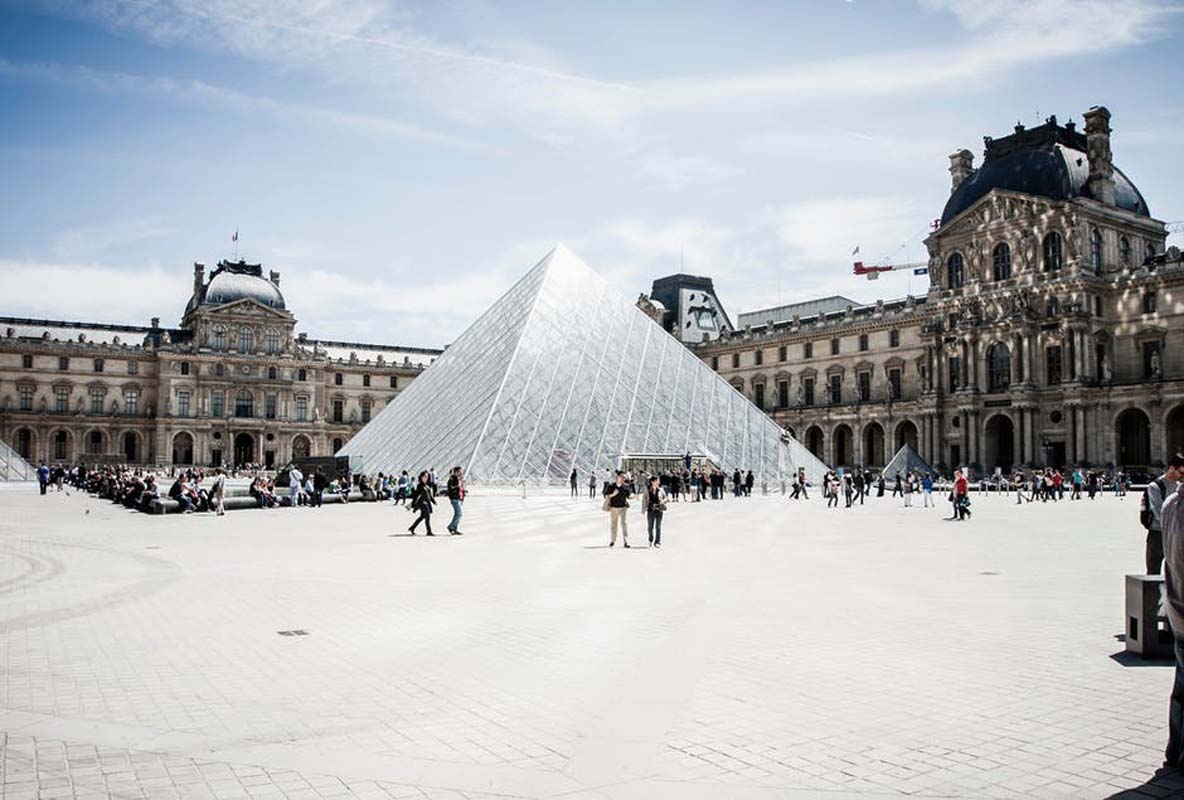
Investigators Release New Details on Louvre Heist


(MENAFN) Thieves who executed a brazen October daylight raid on Paris' Louvre Museum escaped with gemstones valued at approximately €88 million ($96 million), ripped from French crown jewelry pieces, media disclosed Monday, referencing investigative findings.
Four masked assailants wielding a chainsaw stormed the world-renowned institution on October 19, forcing entry into the Apollo Gallery where they sawed through a display case before vanishing with the items. The entire operation consumed mere minutes without causing injuries, media reported.
The stolen cache contained 8,482 diamonds, 35 emeralds, 34 sapphires, and 212 pearls, according to media. These precious stones were embedded within eight jewelry pieces featured in a temporary exhibition and loaned to the museum. Authorities suspect the perpetrators prioritized the gems' raw monetary worth over the jewelry's historical or artistic importance.
Law enforcement characterizes the robbery as meticulously orchestrated. Two perpetrators allegedly infiltrated the gallery while two confederates stationed outside facilitated the getaway. The crew escaped on scooters, abandoning specialized tools used to access the exhibit. Subsequent investigation revealed that vehicles connected to the escape had been stolen and modified to evade identification, media stated.
Security camera recordings and additional forensic material enabled police to reconstruct the suspects' pre- and post-robbery trajectories. Investigators determined much of the planning and extraction originated from a northern Paris suburb, where multiple vehicles departed and returned in a precisely timed pattern. A van suspected of transporting the stolen jewelry remains unaccounted for.
Two suspects have since been apprehended and partially confessed their participation, the outlet noted. One individual, a 34-year-old Algerian national, reportedly disclosed he operated as a delivery driver. The second suspect also worked in delivery services.
The Louvre—housing the Mona Lisa—has endured persistent criticism regarding security deficiencies and delayed upgrades. A government audit previously condemned its protection systems as "old and inadequate," while former museum director Pierre Rosenberg cautioned decades earlier that the museum's security remained "fragile."
The jewelry remains missing, with investigators uncertain whether the gemstones were extracted from their mountings, liquidated through underground markets, or concealed intact.
Four masked assailants wielding a chainsaw stormed the world-renowned institution on October 19, forcing entry into the Apollo Gallery where they sawed through a display case before vanishing with the items. The entire operation consumed mere minutes without causing injuries, media reported.
The stolen cache contained 8,482 diamonds, 35 emeralds, 34 sapphires, and 212 pearls, according to media. These precious stones were embedded within eight jewelry pieces featured in a temporary exhibition and loaned to the museum. Authorities suspect the perpetrators prioritized the gems' raw monetary worth over the jewelry's historical or artistic importance.
Law enforcement characterizes the robbery as meticulously orchestrated. Two perpetrators allegedly infiltrated the gallery while two confederates stationed outside facilitated the getaway. The crew escaped on scooters, abandoning specialized tools used to access the exhibit. Subsequent investigation revealed that vehicles connected to the escape had been stolen and modified to evade identification, media stated.
Security camera recordings and additional forensic material enabled police to reconstruct the suspects' pre- and post-robbery trajectories. Investigators determined much of the planning and extraction originated from a northern Paris suburb, where multiple vehicles departed and returned in a precisely timed pattern. A van suspected of transporting the stolen jewelry remains unaccounted for.
Two suspects have since been apprehended and partially confessed their participation, the outlet noted. One individual, a 34-year-old Algerian national, reportedly disclosed he operated as a delivery driver. The second suspect also worked in delivery services.
The Louvre—housing the Mona Lisa—has endured persistent criticism regarding security deficiencies and delayed upgrades. A government audit previously condemned its protection systems as "old and inadequate," while former museum director Pierre Rosenberg cautioned decades earlier that the museum's security remained "fragile."
The jewelry remains missing, with investigators uncertain whether the gemstones were extracted from their mountings, liquidated through underground markets, or concealed intact.

Legal Disclaimer:
MENAFN provides the
information “as is” without warranty of any kind. We do not accept any
responsibility or liability for the accuracy, content, images, videos,
licenses, completeness, legality, or reliability of the information
contained in this article. If you have any complaints or copyright issues
related to this article, kindly contact the provider above.
Comments
No comment