



403
Sorry!!
Error! We're sorry, but the page you were looking for doesn't exist.
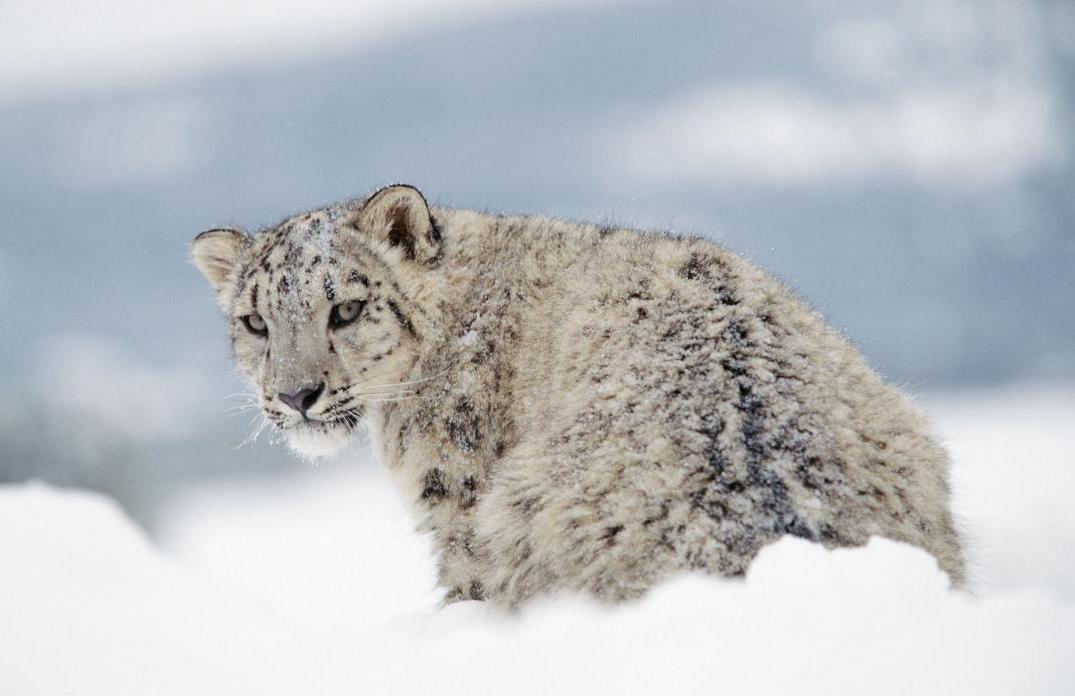
Snow Leopard Attacks On Livestock Increase In Afghanistan's Badakhshan
(MENAFN- Khaama Press) Snow leopard attacks on livestock have increased in Afghanistan's Badakhshan province as winter conditions drive the endangered predators closer to villages and herders' animal shelters.
As harsh winter conditions grip northeastern Afghanistan, snow leopard attacks on livestock have risen sharply in the remote Wakhan corridor of Badakhshan province, heightening tensions between wildlife conservation and local livelihoods.
As harsh winter conditions grip northeastern Afghanistan, snow leopard attacks on livestock have risen sharply in the remote Wakhan corridor of Badakhshan province, heightening tensions between wildlife conservation and local livelihoods.
Local Taliban officials said on Friday that a snow leopard attacked livestock enclosures in Yamit village of Wakhan district, killing at least two goats and sheep, while several other animals are still unaccounted for.
The attack came just days after the same animal was blamed for a series of incidents that left more than 40 livestock animals dead, inflicting serious losses on subsistence herders in the high-altitude region.
Residents briefly captured the snow leopard following the attacks but later released it back into the wild, citing concerns over the animal's protected status and its importance to the region's fragile ecosystem.
Wildlife experts say snow leopards, listed as a vulnerable species, often move closer to human settlements during winter as natural prey becomes scarce in mountainous terrain.
The Wakhan corridor is one of Afghanistan's most important habitats for snow leopards, and conservation groups warn that rising human-wildlife conflict threatens both endangered species and already vulnerable rural communities.
The Taliban administration has previously transferred a rare snow leopard from Badakhshan to Kabul Zoo, a move that drew criticism from environmental groups who argue that long-term conservation depends on protecting wildlife within their natural habitats.
Experts say expanded conservation programs, compensation mechanisms for affected herders, and improved livestock protection measures are urgently needed to reduce conflict and preserve Afghanistan's unique mountain biodiversity.
ShareFacebook Twitter WhatsApp Email Print Telegram
Legal Disclaimer:
MENAFN provides the
information “as is” without warranty of any kind. We do not accept
any responsibility or liability for the accuracy, content, images,
videos, licenses, completeness, legality, or reliability of the information
contained in this article. If you have any complaints or copyright
issues related to this article, kindly contact the provider above.
Most popular stories
Market Research

More Story







Comments
No comment