

403
Sorry!!
Error! We're sorry, but the page you were looking for doesn't exist.
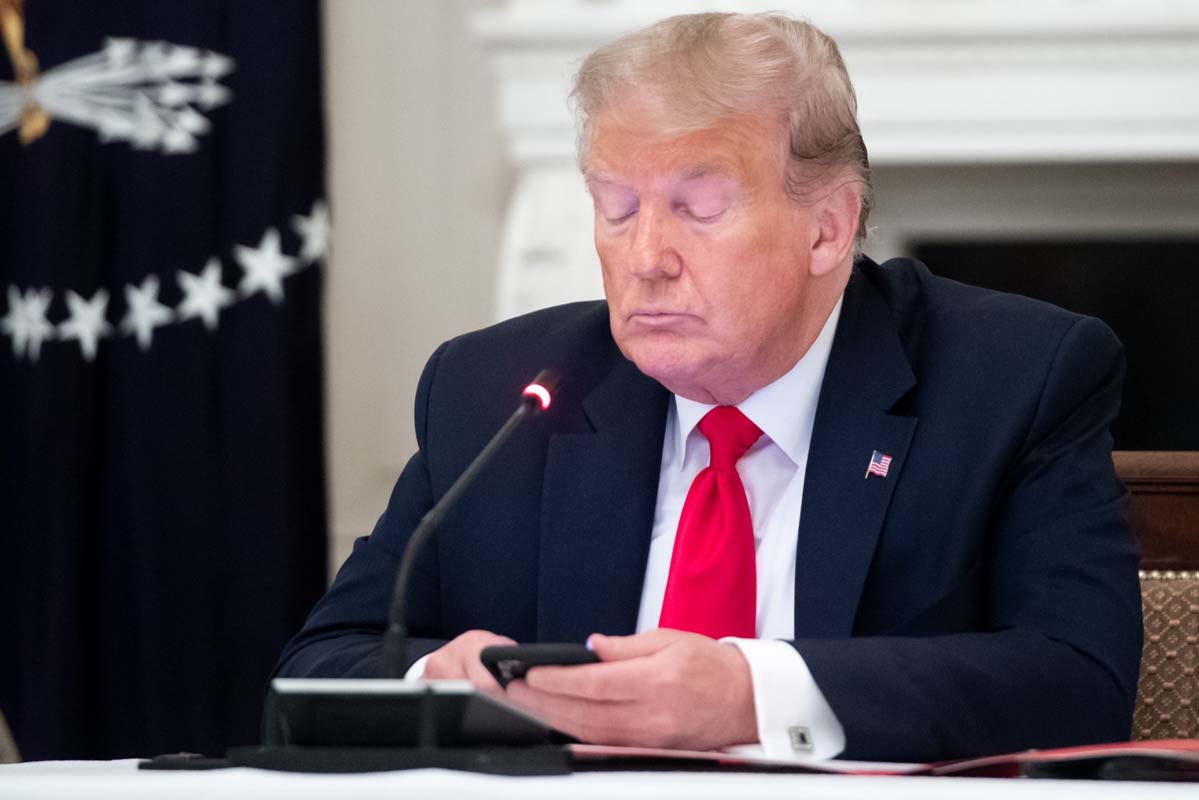
Trump Imposes Entry Restrictions on Five More African Nations


(MENAFN) President Donald Trump has imposed sweeping immigration restrictions targeting five additional African nations, according to White House documentation released this week.
The directive, unveiled Tuesday, will take effect January 1, 2026, blocking entry for citizens of Burkina Faso, Mali, Niger, South Sudan, and Sierra Leone. These nations now join an existing roster of African countries facing complete access prohibitions: Chad, Eritrea, Libya, Somalia, and Sudan.
Trump justified the expansion by alleging criminal conduct. "Foreign nationals from countries named in this proclamation have been involved with crimes that include murder, terrorism, embezzling public funds, human smuggling, human trafficking, and other criminal activity," he wrote in the presidential decree.
The administration's rationale varies by country. Regarding Burkina Faso, Mali, and Niger, Trump pointed to terrorist operations across Sahel territories. Burkina Faso drew additional scrutiny for "historically" refusing deportation cooperation with Washington, according to the proclamation text.
Sierra Leone—previously facing limited restrictions—escalated to full prohibition status. The nation "has historically failed to accept back its removable nationals," the order states. South Sudan received identical treatment based on comparable deportation resistance.
Beyond total bans, the executive action establishes partial barriers affecting 15 countries, with Nigeria and 11 fellow African states among those impacted.
Trump characterized Nigeria as presenting "substantial screening and vetting difficulties" due to militant activity. "Radical Islamic terrorist groups such as Boko Haram and the Islamic State operate freely in certain parts" of Africa's demographic giant, he contended.
"The entry into the United States of nationals of Nigeria as immigrants, and as nonimmigrants on … visas, is hereby suspended," the president declared, simultaneously ordering reduced visa validity periods for other Nigerian applicant categories.
Last month, Washington leveled accusations against Islamist fighters for targeting Christians throughout Nigeria, hinting at potential military intervention. Abuja dismissed these characterizations as distortions, emphasizing that violence impacts communities regardless of religious affiliation.
Since reclaiming the presidency in January, Trump has reinstated aggressive immigration enforcement measures despite condemnation from human rights organizations and international governments.
Chad responded to its own travel restrictions by halting visa issuance for American citizens in June—a diplomatic countermeasure against the Central African nation's inclusion on the banned list.
The directive, unveiled Tuesday, will take effect January 1, 2026, blocking entry for citizens of Burkina Faso, Mali, Niger, South Sudan, and Sierra Leone. These nations now join an existing roster of African countries facing complete access prohibitions: Chad, Eritrea, Libya, Somalia, and Sudan.
Trump justified the expansion by alleging criminal conduct. "Foreign nationals from countries named in this proclamation have been involved with crimes that include murder, terrorism, embezzling public funds, human smuggling, human trafficking, and other criminal activity," he wrote in the presidential decree.
The administration's rationale varies by country. Regarding Burkina Faso, Mali, and Niger, Trump pointed to terrorist operations across Sahel territories. Burkina Faso drew additional scrutiny for "historically" refusing deportation cooperation with Washington, according to the proclamation text.
Sierra Leone—previously facing limited restrictions—escalated to full prohibition status. The nation "has historically failed to accept back its removable nationals," the order states. South Sudan received identical treatment based on comparable deportation resistance.
Beyond total bans, the executive action establishes partial barriers affecting 15 countries, with Nigeria and 11 fellow African states among those impacted.
Trump characterized Nigeria as presenting "substantial screening and vetting difficulties" due to militant activity. "Radical Islamic terrorist groups such as Boko Haram and the Islamic State operate freely in certain parts" of Africa's demographic giant, he contended.
"The entry into the United States of nationals of Nigeria as immigrants, and as nonimmigrants on … visas, is hereby suspended," the president declared, simultaneously ordering reduced visa validity periods for other Nigerian applicant categories.
Last month, Washington leveled accusations against Islamist fighters for targeting Christians throughout Nigeria, hinting at potential military intervention. Abuja dismissed these characterizations as distortions, emphasizing that violence impacts communities regardless of religious affiliation.
Since reclaiming the presidency in January, Trump has reinstated aggressive immigration enforcement measures despite condemnation from human rights organizations and international governments.
Chad responded to its own travel restrictions by halting visa issuance for American citizens in June—a diplomatic countermeasure against the Central African nation's inclusion on the banned list.

Legal Disclaimer:
MENAFN provides the
information “as is” without warranty of any kind. We do not accept any
responsibility or liability for the accuracy, content, images, videos,
licenses, completeness, legality, or reliability of the information
contained in this article. If you have any complaints or copyright issues
related to this article, kindly contact the provider above.
Comments
No comment