




403
Sorry!!
Error! We're sorry, but the page you were looking for doesn't exist.
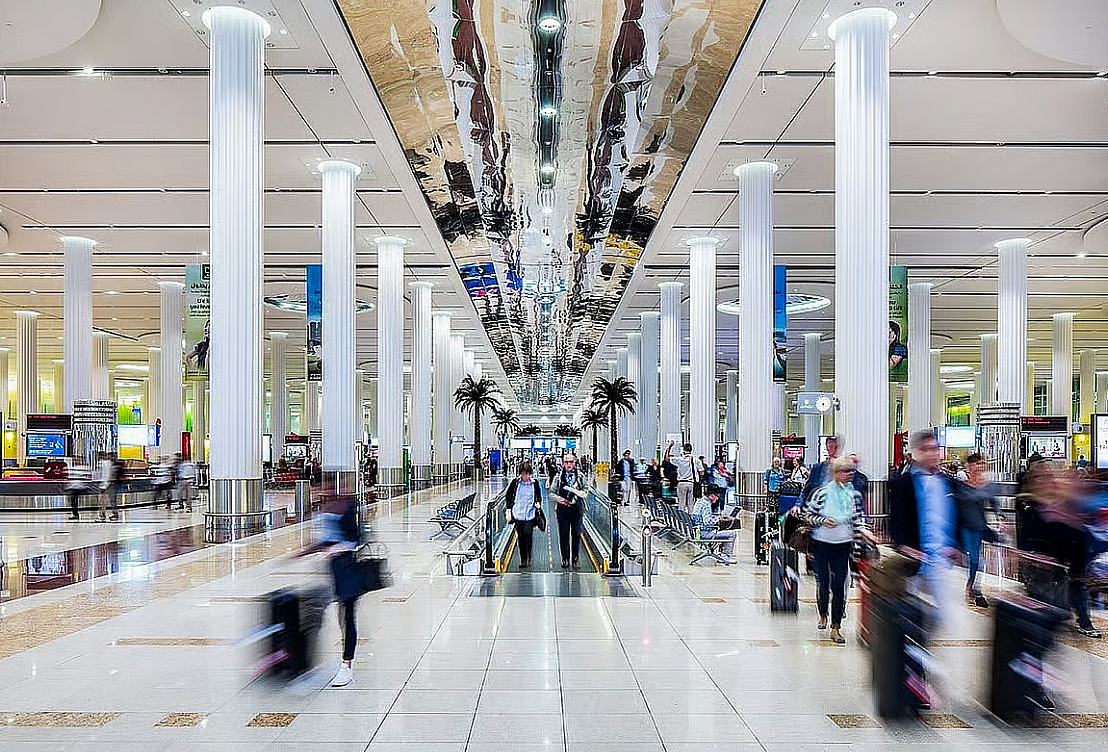
UAE: Why 'Digital Hygiene' Is Crucial Before Travelling Experts Warn Of 'Red Flags'
(MENAFN- Khaleej Times) ![Wellness-first projects: Why Dubai's savviest investors are demanding more]() Wellness-first projects: Why Dubai's savviest investors are demanding more
Wellness-first projects: Why Dubai's savviest investors are demanding more
The US border control is not the only one getting stricter with a proposal to review a visitor's social media history before letting them get inside the country. Major airports across the world are also implementing security protocols involving checking one's mobile phone for digital threats.
A Dubai-based cybersecurity exper told Khaleej Times recent advisories warn travellers that everyday smartphone apps – social media, messaging, dating, security vault, VPNs, sensitive content, even outdated apps –“can trigger suspicion, delays, or even legal trouble at border crossings and security checkpoints.”
Recommended For You“Your apps matter more than ever,” said technologist and cybersecurity expert Rayad Kamal Ayub, noting,“As international travel for the winter holiday begins, airport security protocols are also evolving to address new digital threats.”
“Security agencies now treat information stored on personal devices as potential threats. Electronic device examinations at borders are on the rise, with officers searching not just for physical contraband but for digital 'red flags' that may indicate illegal intent or risky behaviour – even innocent travellers can be suspected because they may have unsecured devices or apps,” Ayub, who is also managing director of UAE-based Rayad Group's immigration company, added.
Ayub cited a couple of cases that caused delays at the airport:
Senior couple missing a flight – A senior couple returning from a trip was randomly selected for a bag check. The officer asked the man to unlock his phone to verify his identity. Upon seeing a folder full of dispensary apps, including a prescription for cannabidiol (CBD), officers assumed he was trafficking across state lines. They thoroughly searched for his luggage and brought in dogs but found nothing illegal. The couple, however, missed their connecting flight.
Retired teacher suspected of illegal app – A retired teacher had a digital vault app installed by her grandson to help keep her banking info safe. At the customs, she was held for four hours because she couldn't remember the password to the vault app. The officers wanted to know what was inside, suspecting something illegal, even though she was simply trying to secure her banking information. She was held at the airport for hours, causing her to miss her flight.
Victims of digital compromise
“Some people, including seniors, are often targeted for electronic device examinations at international border crossings and during secondary screenings by airport security. This is not because they are suspected of being criminals, but because they are often victims of digital compromise or carry unsecured devices,” Ayub explained.
He listed five app categories that usually raise security concerns:
1) Vault/hidden photo apps – these are designed to hide photos or files (e.g., disguised as calculators), but they are often associated with criminal activity in the eyes of security professionals.
2) VPNs and Tor browsers – while useful for privacy, these tools can be illegal in some countries and may suggest attempts to obscure (illegal) activity.
3) Remote desktop/screen sharing apps: Commonly exploited by scammers, these apps can make travellers, especially seniors, targets for extra scrutiny.
4) Cannabis and CBD apps – even if legal in some states, apps like Weedmaps or Leafly can be seen as evidence of intent to possess controlled substances, leading to invasive searches.
5) Outdated or third-party airline apps – these can malfunction at checkpoints, causing delays and suspicion about the authenticity of travel documents.
Solution: Tidy up.
Apps are used for communication, entertainment, productivity, and more, but there are also seemingly innocuous apps that can lead to hours of questioning and missed flights, Ayub reiterated.
So, what must be done? Ayub offers the following practical advice for travellers:
.Delete or hide risky apps before travel.
.Use official airline and airport apps for boarding and information.
.Sanitise photo galleries and disable auto-save features in messaging apps.
.Temporarily disable biometric unlock features (Face ID, fingerprint) before security checks.
.Avoid posting travel plans publicly on social media.
.Consider travelling with a 'clean' phone, especially when visiting countries with strict digital laws.
Ayub noted,“While travellers have strong protections against unwarranted searches, these rights are significantly reduced at international borders, where officers can demand device access and passcodes.”
“There is a new reality: 'Digital hygiene is now as important as packing your suitcase.' Travellers, especially seniors, should proactively manage their devices to avoid unnecessary scrutiny and ensure a smooth journey,” Ayun underlined.
“The best strategy? Be a“boring tourist”-keep only essential and official apps. Leave no digital red flags for security to find.”

Legal Disclaimer:
MENAFN provides the
information “as is” without warranty of any kind. We do not accept
any responsibility or liability for the accuracy, content, images,
videos, licenses, completeness, legality, or reliability of the information
contained in this article. If you have any complaints or copyright
issues related to this article, kindly contact the provider above.
Most popular stories
Market Research

More Story







Comments
No comment