







403
Sorry!!
Error! We're sorry, but the page you were looking for doesn't exist.
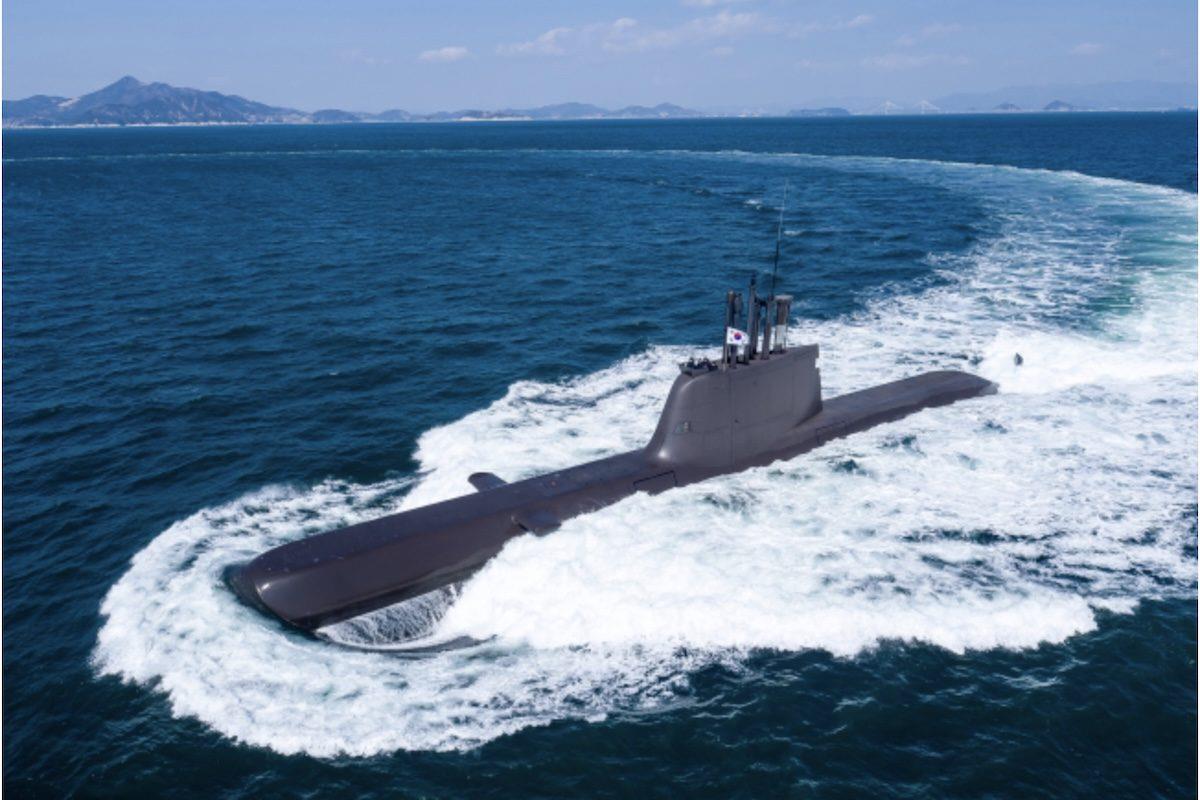
There's A Lot In The Way Of South Korea Acquiring Nuclear Subs
(MENAFN- Asia Times)
The recent US decision to approve South Korea's possession of nuclear-powered submarines may shift the balance of power on the Korean Peninsula and affect Asian peace and security generally.
South Korean nuclear submarines could accelerate the arms race in Asia and impact geopolitical relations beyond Asia. They may undermine the Nuclear Nonproliferation Treaty (NPT) and international norms and agreements discouraging the spread of advanced weapons systems. Both the United States and South Korea should reflect on these concerns before proceeding.
President Trump met South Korean President Lee Jae-myung during his late October 2025 trip to South Korea for APEC. In addition to new trade agreements, the White House said Trump approved South Korean requests to build nuclear-powered attack submarines and the United States agreed to work closely with South Korea on this project, including avenues to acquire nuclear fuel.
On his Truth Social platform, Trump stated that the submarines would be constructed in a former US shipyard in Philadelphia now run by the South Korean conglomerate Hanwa.“I have given them approval to build a nuclear-powered submarine, rather than the old-fashioned, and far less nimble, diesel-powered submarines that they have now,” Trump's Truth Social posting stated.
Geopolitical, technological, and strategic considerationsSouth Korea has been interested in developing nuclear-powered submarines for a long time. With the threat of North Korea's stockpile of nuclear weapons and missile delivery vehicles, South Korea feels that increased naval strength could act as an offset and perhaps minimize reliance on the US“nuclear umbrella.”
South Korea currently operates 21 conventional submarines, including three ballistic missile submarines, with its older submarines purchased from Germany. Since the early '90s South Korean submarines have been built in the Daewoo and Hyundai shipyards in South Korea under license from Germany.
Approximately half of South Korean submarines use some form of air independent propulsion (AIP). Conventional submarines use AIP to stay submerged for protracted periods, such as 30 days, without needing to surface or snorkel.

Legal Disclaimer:
MENAFN provides the
information “as is” without warranty of any kind. We do not accept
any responsibility or liability for the accuracy, content, images,
videos, licenses, completeness, legality, or reliability of the information
contained in this article. If you have any complaints or copyright
issues related to this article, kindly contact the provider above.
Most popular stories
Market Research

More Story






Comments
No comment