







403
Sorry!!
Error! We're sorry, but the page you were looking for doesn't exist.
When Measurement Becomes The Engine Of Sustainability
(MENAFN- 3BL)
For years, the conversation around sustainability has revolved around ambition.
We've talked about goals, commitments, and net zero promises by pending timelines. But ambition alone doesn't cut it anymore; not for brands, not for manufacturers, and certainly not for the planet.
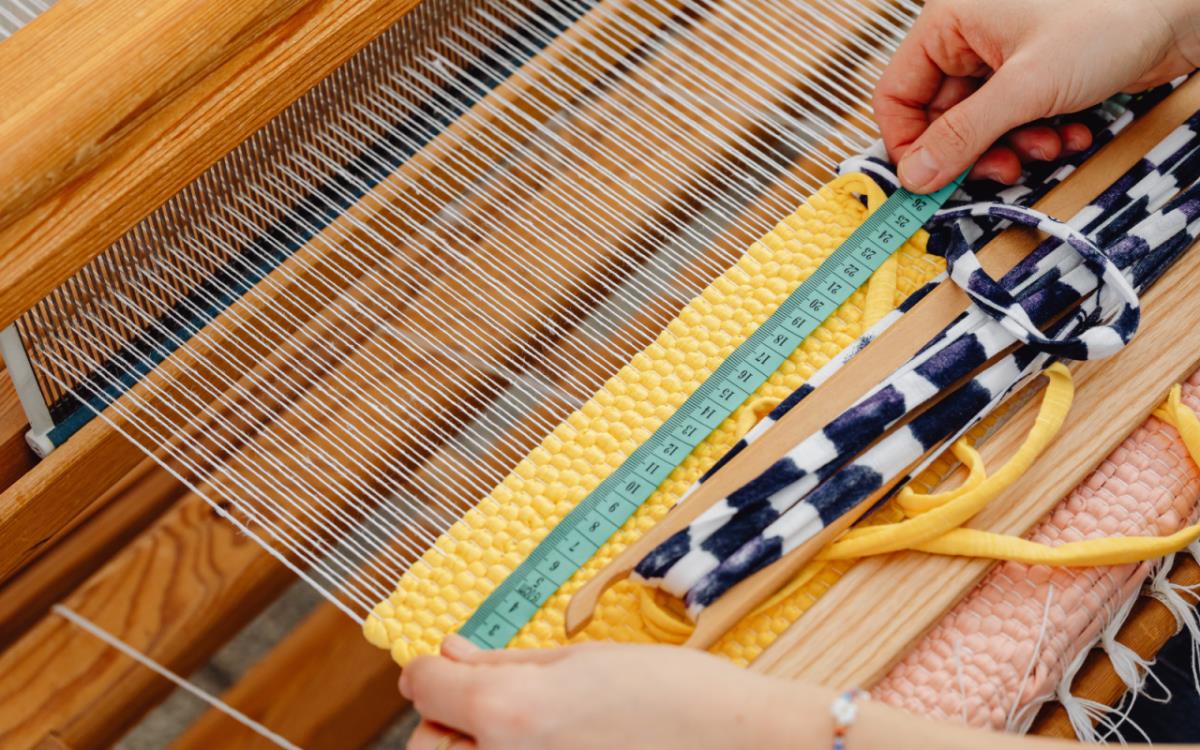
The real shift now underway is about measurement. Because what we measure, and how, is what drives real progress.
From Afterthought to Engine
Measurement has often been treated as the last step in the process: collect the data, report the results, and move on. But in truth, it should be the first. When you start with measurement - with visibility and credible data - you create the foundation for meaningful change.
That's why the latest update to the Higg Facility Environmental Module (Higg FEM) Cascale earlier this month, the 2025 version introduces sharper emission factors, improved verification guidance, and new facility categories. It's more than a technical update - it's a reflection of where the industry needs to go: better data, better insights, better decisions.
The Regulatory Shift
Meanwhile, policy frameworks like the Corporate Sustainability Reporting Directive (CSRD) and the Corporate Sustainability Due Diligence Directive (CSDDD) are tightening expectations across the apparel and consumer goods sectors. They're not just about ticking boxes; they're about showing impact.
Soon, large brands operating in the EU will need to prove how they're managing risks, engaging suppliers, and cutting emissions, with data that stands up to scrutiny. And that means upstream manufacturers and suppliers will need to be part of that proof chain.
The question isn't whether our industry will have to measure and report on progress. It's whether we'll measure well enough to turn the need for compliance into strategic outcomes that drive business value.
Aligning Data with Action
This is where the conversation gets interesting. Because if we can continue to align measurement tools like the Higg Index with regulatory readiness, we move from compliance to competitiveness. (Read about our efforts to map the Higg BRM with the European Sustainability Reporting Standards (ESRS), as another strong indication).
The 2030 vision is closer than we realize. Instead of an industry scrambling to meet disclosure deadlines, we can become one that utilizes credible data to drive smarter sourcing, targeted investment, and collaborative action. While it's not always glamorous work, it's the kind of work that builds resilience - in companies, in supply chains, and in the industry as a whole. Isn't that a goal that benefits us all?
A Communications Perspective
From where I sit - leading marketing and communications at Cascale - an integral part involves storytelling through data. For too long, sustainability communication has leaned on grand ambition. Now it's time to tell the story of progress: how we measure, how we improve, and how we make it meaningful.
The more transparent we are about the process, the more credible and impactful the message becomes.
Looking Ahead
At Cascale, our role is evolving with the industry. We're not just providing tools. We're helping brands and manufacturers connect the dots between measurement, regulation, and action. Because when measurement becomes the engine, and not the afterthought, sustainability stops being a side project and starts becoming business as usual.
Read More from Lee
Legal Disclaimer:
MENAFN provides the
information “as is” without warranty of any kind. We do not accept
any responsibility or liability for the accuracy, content, images,
videos, licenses, completeness, legality, or reliability of the information
contained in this article. If you have any complaints or copyright
issues related to this article, kindly contact the provider above.
Most popular stories
Market Research

More Story







Comments
No comment