





403
Sorry!!
Error! We're sorry, but the page you were looking for doesn't exist.
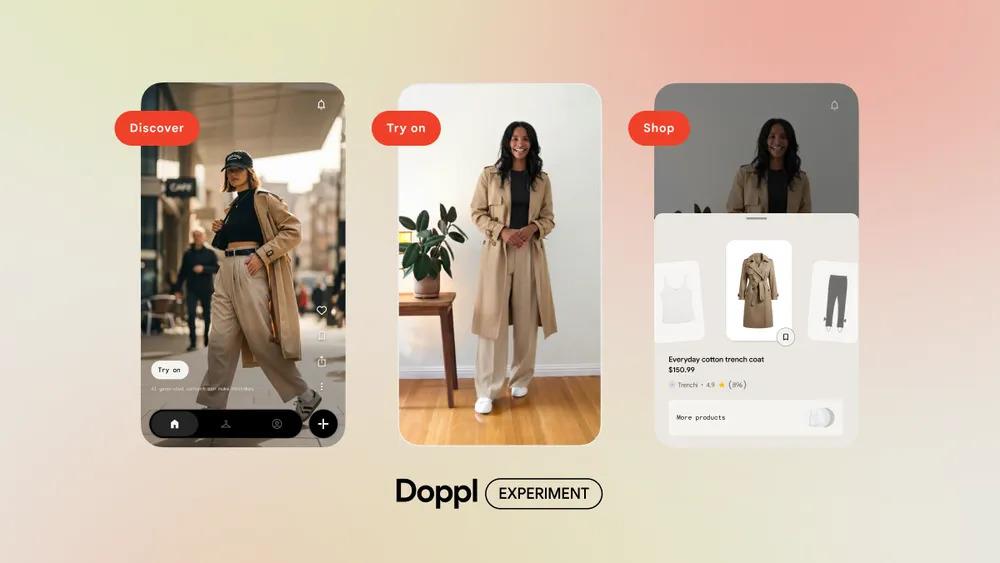
Google's Doppl App Broadens AI-Powered Fashion Shopping With Shoppable Video Feed
(MENAFN- The Arabian Post)
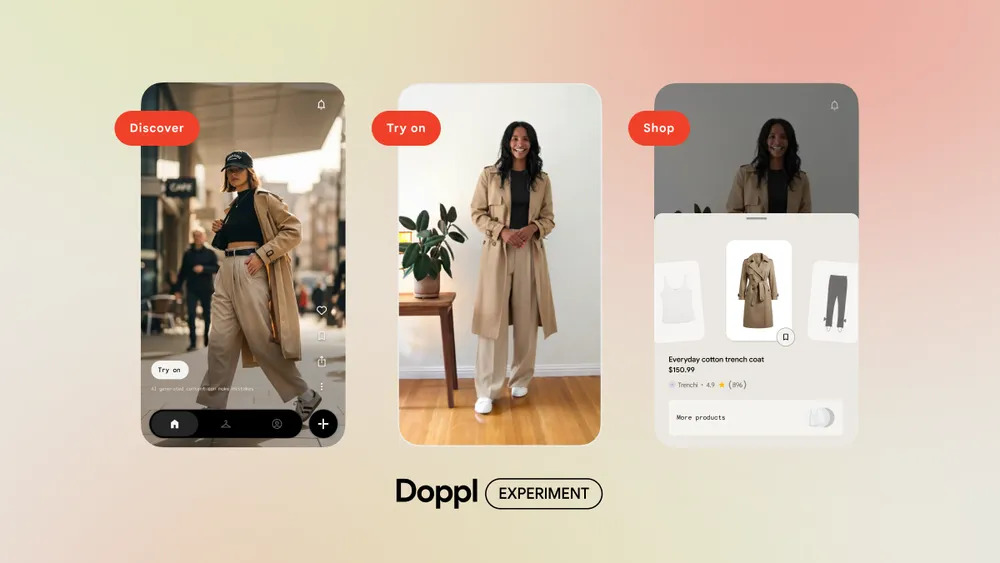
Google has rolled out a major update to its AI fashion experiment Doppl, introducing a“shoppable discovery feed” that blends virtual try-ons with direct-to-merchant shopping. The new feed displays AI-generated videos of real clothing items tailored to users' style preferences, enabling a seamless path from browsing to purchase. This marks a distinct step from the original“virtual dressing room” concept: now shoppers can scroll, preview outfits virtually, and buy within a unified experience.
Under the update, Doppl's algorithm analyses a user's prior interactions to offer personalised outfit suggestions. When a user spots something appealing, they can watch a short video showing how the garment drapes and moves - intended to mimic real-life fitting - and then tap through directly to merchant links. The company describes nearly all items in the feed as“shoppable,” underscoring the move from discovery to conversion.
The launch demonstrates a broader ambition by Google to re-engineer online retail. Within the same wave of changes, its AI-shopping infrastructure has expanded: alongside Doppl, the browser Chrome is being updated to support“agentic” shopping and checkout workflows, automating elements like price tracking and purchase execution with user approval.
Geographically, the wave of enhancements to AI-powered shopping isn't limited to the U. S. The underlying virtual try-on tool that powers Doppl - part of the broader shopping AI stack Google is deploying - has now expanded to markets such as the UK and India, covering billions of apparel listings across categories like tops, dresses, jackets and shoes, just in time for peak festive shopping.
Industry analysts suggest that virtual try-on applications such as Doppl are evolving fast - shifting from novelty to near-essential tools for e-commerce. The technology, built on augmented reality and machine learning, empowers consumers to visualise clothes more realistically than before. Studies show such tools can significantly reduce uncertainty around fit and style, lowering return rates and increasing customer satisfaction.
See also Major supply-chain breach hits Salesforce via Gainsight appsYet technical and ethical challenges remain. From the development side, ensuring realistic clothing behaviour on different body types demands advanced modelling of how fabrics fold, stretch, and drape - a non-trivial task that has constrained widespread adoption until now.
On the privacy front, concerns are growing around how virtual try-on tools handle sensitive data. Experts highlight that apps capable of processing full-body photos - often implicitly collecting biometric and physical-attribute data - must manage it with care. Without robust transparency and consent mechanisms, such tools risk eroding consumer trust.
By combining personalised style suggestions, AI-generated visuals and direct-link shopping, Doppl represents what many in the retail and technology industries see as the next major frontier in online fashion. As more users embrace virtual try-ons as part of regular shopping, the pressure will grow on retailers, platforms and regulators alike to safeguard user data and ensure fair, transparent practices.
Notice an issue? Arabian Post strives to deliver the most accurate and reliable information to its readers. If you believe you have identified an error or inconsistency in this article, please don't hesitate to contact our editorial team at editor[at]thearabianpost[dot]com. We are committed to promptly addressing any concerns and ensuring the highest level of journalistic integrity.

Legal Disclaimer:
MENAFN provides the
information “as is” without warranty of any kind. We do not accept
any responsibility or liability for the accuracy, content, images,
videos, licenses, completeness, legality, or reliability of the information
contained in this article. If you have any complaints or copyright
issues related to this article, kindly contact the provider above.
Most popular stories
Market Research

More Story







Comments
No comment