







403
Sorry!!
Error! We're sorry, but the page you were looking for doesn't exist.
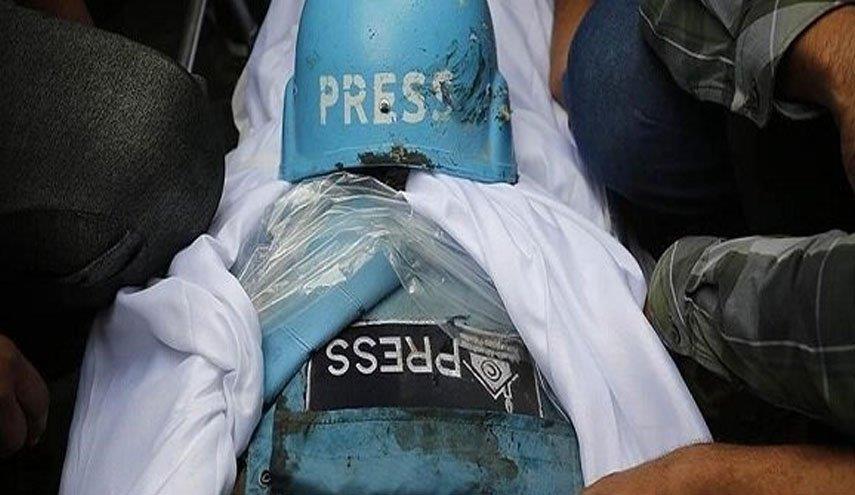
Global Journalist Deaths Rise To 67 In 2025, RSF Blames Israel For Nearly Half
(MENAFN- Khaama Press) Reporters Without Borders (RSF) says Israeli forces were responsible for 29 of 67 journalists killed worldwide in 2025, warning reporters are being deliberately targeted in Gaza.
Reporters Without Borders (RSF) says Israeli forces in Gaza were responsible for the deaths of 29 of the 67 journalists killed worldwide in 2025, marking an increase from 66 killed the previous year. The organisation warns that journalists are being deliberately targeted, not caught unintentionally in conflict.
Reporters Without Borders (RSF) says Israeli forces in Gaza were responsible for the deaths of 29 of the 67 journalists killed worldwide in 2025, marking an increase from 66 killed the previous year. The organisation warns that journalists are being deliberately targeted, not caught unintentionally in conflict.
In its annual report, RSF said hostility toward journalists has contributed directly to these deaths. Director-General Christophe Deloire stated that many were killed because of their reporting, adding that journalists are increasingly viewed as unwanted witnesses, bargaining tools and figures to be“eliminated.”
Gaza remained the deadliest place for journalists this year. RSF noted that 29 media workers were killed there in 2025, including five who died during a“double-tap” strike on a hospital in southern Gaza on 25 August. The victims included staff from international news agencies Reuters and the Associated Press. Israel has repeatedly denied targeting journalists.
Mexico was the second deadliest country, with nine journalists killed in 2025. Conflict zones such as Ukraine and Sudan also recorded casualties, with three and four journalists killed respectively.
RSF said that at least 53 of the 67 journalists killed worldwide died either in war zones or at the hands of criminal organisations. It added that most journalists are killed in their own countries, with only two deaths reported abroad in the past year.
The report also highlighted long-term dangers. Since the Gaza war began in 2023, RSF says Israeli forces have been responsible for nearly 220 journalist deaths, including at least 65 who were killed directly because of their work.
Alongside the killings, RSF documented the detention of 503 journalists worldwide in 2025. China remains the biggest jailer of media workers with 121 in custody, followed by Russia with 48. Rights groups say the rise in arrests reflects shrinking global press freedoms.
RSF also highlights Afghanistan as one of the world's most repressive environments for media, where restrictions, censorship and intimidation continue to intensify under Taliban rule.
The organisation says Afghanistan journalists face arrests, blocked reporting access, and sweeping content controls, leaving independent media unable to operate freely and many reporters forced into silence or exile.
Facebook Twitter WhatsApp Email Print Telegram
Legal Disclaimer:
MENAFN provides the
information “as is” without warranty of any kind. We do not accept
any responsibility or liability for the accuracy, content, images,
videos, licenses, completeness, legality, or reliability of the information
contained in this article. If you have any complaints or copyright
issues related to this article, kindly contact the provider above.
Most popular stories
Market Research

More Story






Comments
No comment