




403
Sorry!!
Error! We're sorry, but the page you were looking for doesn't exist.
Dr. Lee Russo Shares How Many People Explore Non-Invasive Options For Everyday Joint Pain
(MENAFN- GetNews) Class IV laser therapy is one method some patients say helps them move with more comfort
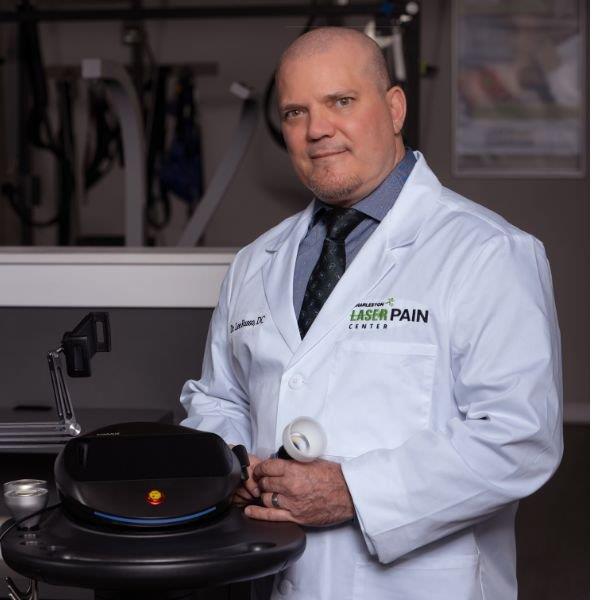
Joint pain-whether in the shoulders, knees, elbows, or hips-affects millions of adults each year. While many people turn to over-the-counter remedies or simply try to“push through it,” others seek out non-invasive approaches that fit into their daily routines. At ReliefNow Laser Charleston, Dr. Lee Russo sees this firsthand as patients look for ways to stay active with less discomfort.
“Joint pain shows up for so many reasons-overuse, posture issues, old injuries, athletics, or just the wear-and-tear of life,” said Dr. Russo.“People often come in because they're tired of feeling limited. They want options that support their mobility without disrupting their lifestyle.”
Why people ask about Class IV laser therapy
Class IV laser therapy has become a point of interest for many adults dealing with ongoing joint irritation. The approach uses concentrated light applied to irritated soft tissues.
“Class IV laser therapy is a non-invasive light-based approach used to support comfort in irritated soft tissues,” Dr. Russo explained.“It does not fix the underlying condition, but some people say it helps them move with less discomfort.”
Patients often describe the sessions as gentle and calming, with many appreciating that they can go right back to work or daily activities afterward.
What types of joint pain lead people to the clinic?
According to Dr. Russo, the most common questions come from people experiencing:
-
Shoulder strain or overuse
Knee irritation from activity or aging
Stiff elbows or wrists
Hip tightness
Discomfort after repetitive movements at work
Many individuals also report that joint discomfort affects their posture, which Dr. Russo notes can create a cycle of added strain.
A chiropractor's role in comprehensive joint support
With over 24 years of experience, including a decade in multidisciplinary care, Dr. Russo integrates chiropractic adjustments, posture correction strategies, and rehabilitative protocols when appropriate.
“Addressing posture and muscle imbalance is a big part of how we help people feel better long-term,” he said.“When the joints are moving the way they're designed to, the body generally functions with more ease.”
Laser sessions may be used as a supportive, non-invasive component of a broader plan.
Frequently Asked Questions
Does laser therapy replace medical treatment? No. It is not a cure or a replacement for medical care. Many people simply explore it as a comfort-supporting option.
Is the treatment painful? Most people describe it as warm and relaxing.
How quickly do people notice changes? Experiences vary. Some report feeling more comfortable right away, while others notice gradual improvement over several sessions.
Can people stay active during care? In most cases, yes. The non-invasive nature of sessions means most people return to daily activities immediately.
Where to learn more
Dr. Russo welcomes individuals who want to explore gentle, non-invasive support for joint discomfort.
More information is available at the clinic page:
Learn more about the ReliefNow® system nationwide:

Legal Disclaimer:
MENAFN provides the
information “as is” without warranty of any kind. We do not accept
any responsibility or liability for the accuracy, content, images,
videos, licenses, completeness, legality, or reliability of the information
contained in this article. If you have any complaints or copyright
issues related to this article, kindly contact the provider above.
Most popular stories
Market Research








Comments
No comment