




403
Sorry!!
Error! We're sorry, but the page you were looking for doesn't exist.
'Blue Checkmark Will Not Save You': UAE Experts Warn Against Dangers Of Paid Verification
(MENAFN- Khaleej Times)
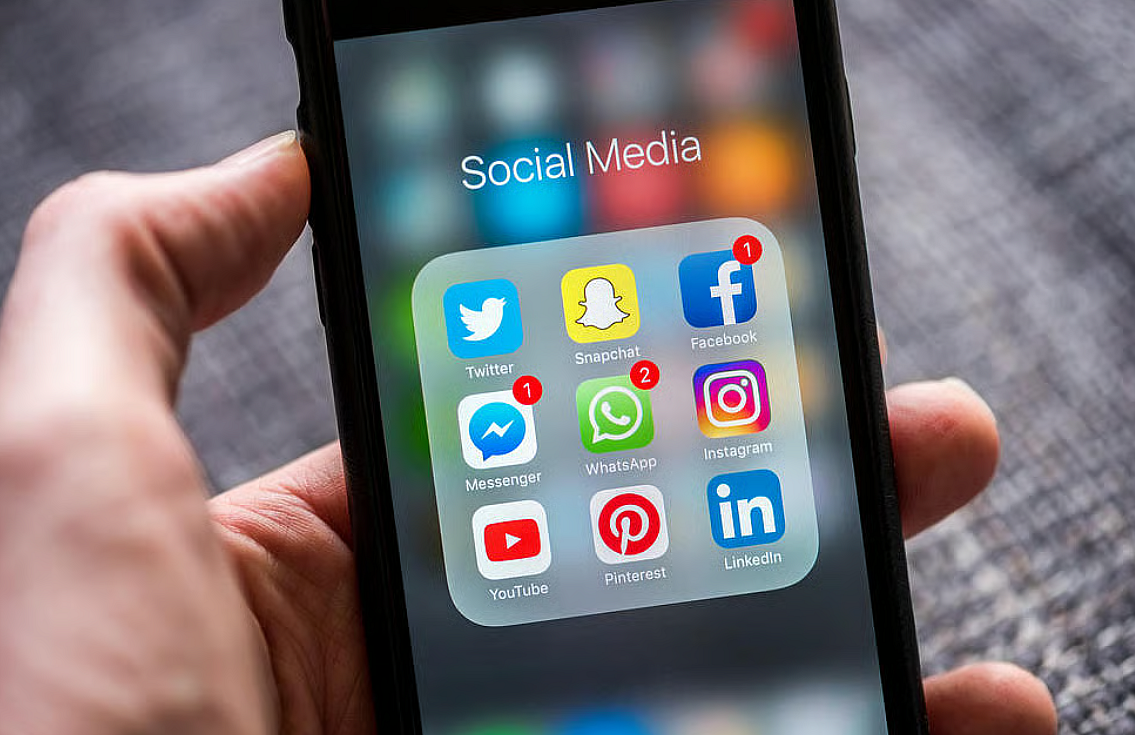
Verification on social media is a paid feature that users can buy, weakening one of the few signals audiences once relied on to identify trustworthy voices. This message was aired on December 8 at the Bridge Summit in Abu Dhabi, where industry leaders warned that credibility is now being treated as a product rather than something earned.
Maha Abouelenein, Founder and CEO of Digital and Savvy, said a blue checkmark is no longer proof that someone should be believed. She argued that verification has shifted from confirming expertise to granting status through a subscription.
Recommended For You Bridge Summit, Abu Dhabi: Arab actresses call for more women writers to reshape roles“Trust comes from consistency, reputation and delivering on what you promise,” she said.“A checkmark will not save you. People trust people, not logos. If you walk out of here and you are not thinking about your personal brand and what you are doing to build trust, you are wrong.”
Stay up to date with the latest news. Follow KT on WhatsApp Channels.
Abouelenein said she earned her verification years ago through published work and industry recognition, not by paying for it. Now that platforms allow anyone to purchase the feature, she believes users should question the intent behind it.“Are you paying because you want easier access to business contacts, or because you want to pretend to be somebody you are not,” she asked the audience.
Bridge Summit 2025 is a three day global gathering held at Abu Dhabi's ADNEC Centre, bringing together creators, media leaders, technology experts, policymakers and investors to discuss the future of content, entertainment and the digital economy.
Damian Reilly, Editor in Chief of Arabian Business, said paid verification can offer a layer of protection for people who are targets of impersonation. But he also believes the model creates an uncomfortable dynamic between platforms and users.
“It feels a bit like a protection racket. You pay and the platform will then take the problem more seriously,” he said, recalling fake profiles using his name and image. Even then, he said it was difficult to get action taken.
Both speakers agreed that misinformation remains a serious risk in a media environment shaped by AI, speed and scale. But they also pushed back against the idea that audiences are easily misled.
“People are more sophisticated than we think. Just because someone posts anything does not mean millions will believe it,” Reilly said.
Panelists said the future of trust will rely on transparency, accountability and the human track record behind the content, not on the symbols attached to an account.
With personal brands now competing directly with established media organisations for public confidence, Abouelenein said individuals can no longer rely on employers or institutions to vouch for them.“Your job title will not build your reputation,” she said.“You need to build it yourself.”
Legal Disclaimer:
MENAFN provides the
information “as is” without warranty of any kind. We do not accept
any responsibility or liability for the accuracy, content, images,
videos, licenses, completeness, legality, or reliability of the information
contained in this article. If you have any complaints or copyright
issues related to this article, kindly contact the provider above.
Most popular stories
Market Research





Comments
No comment