







403
Sorry!!
Error! We're sorry, but the page you were looking for doesn't exist.

Soft Power With A Side Of Spice: India Readies To Take Its Cuisines International
(MENAFN- Live Mint)
View Full Image
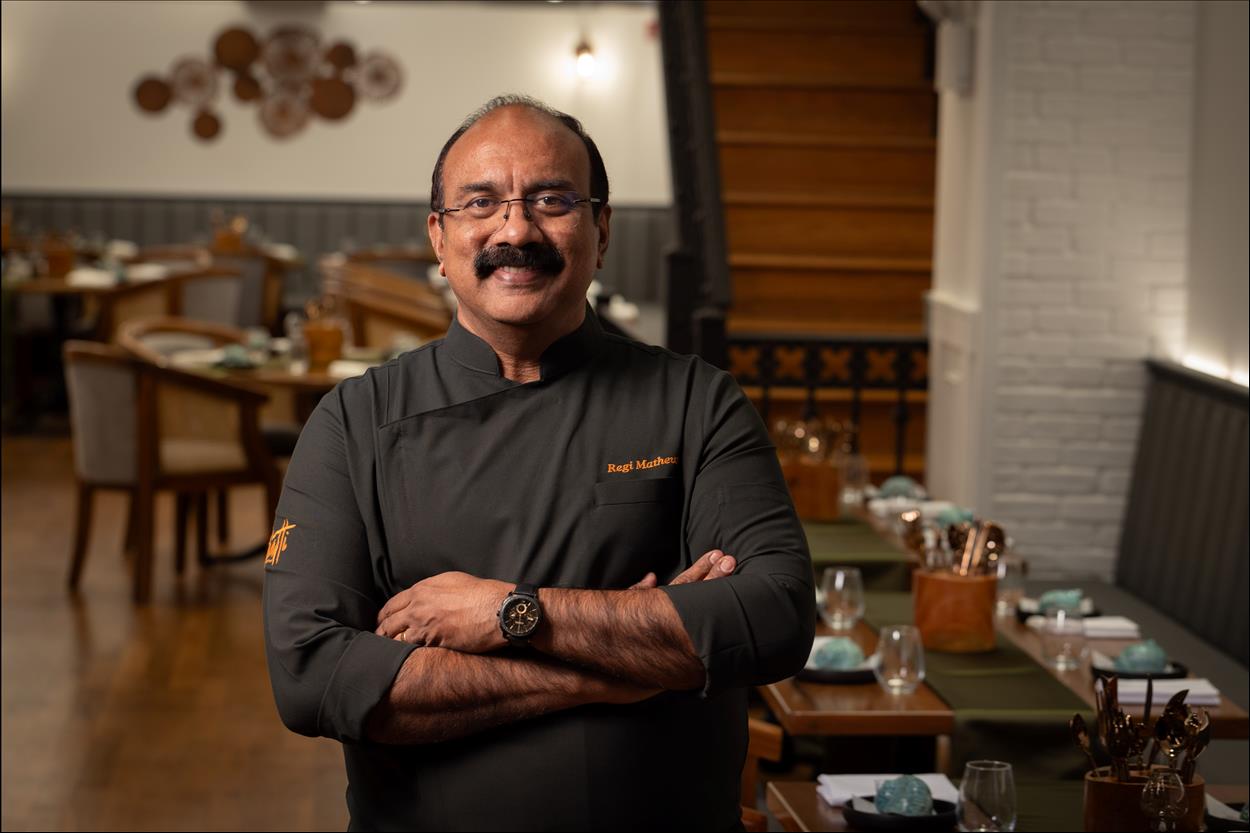
Chatti's clientele keeps Regi Mathew busy and he says the business is on its way to break even before two years, widely seen as milestone on financial health among New York restauranteurs. Food-culture-nation link
View Full Image
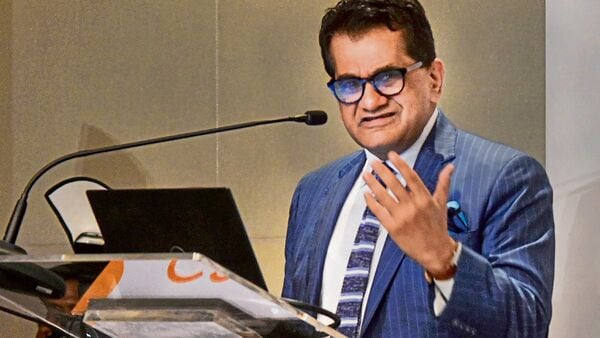
In a column last year, former G20 Sherpa and Niti Aayog CEO talked of the potential of Indian chefs abroad serving as ambassadors for India. "India must harness this formidable resource by partnering with these chefs to promote Indian food through curated events and festivals,” Kant wrote. (PTI)
View Full Image
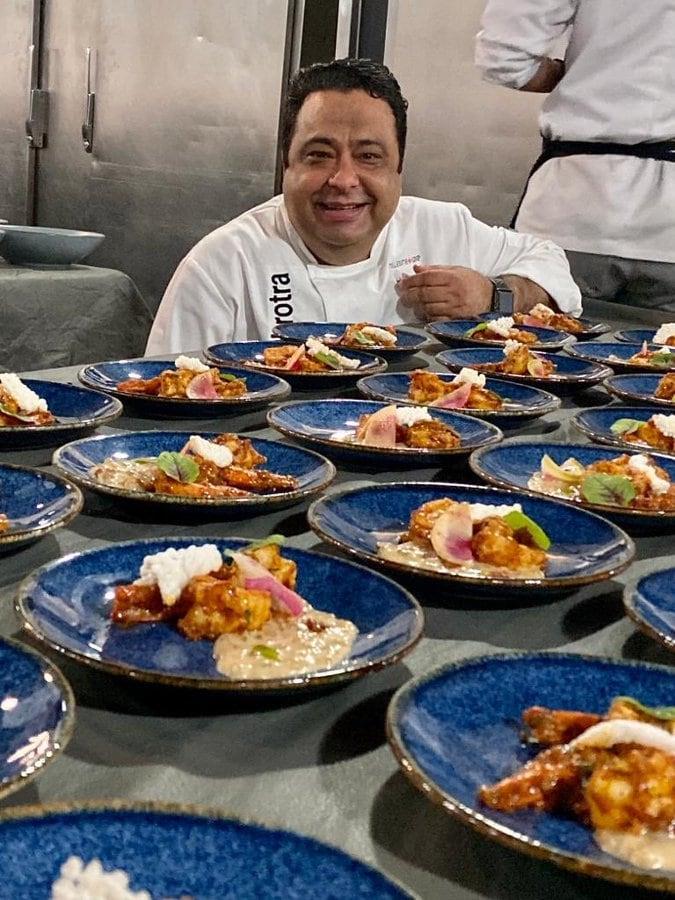
Award-winning chef Manish Mehrotra said the government must assist entrepreneurs in setting up authentic Indian restaurants across the globe. (X/@manishmehrotra)
India is preparing to deploy an unconventional soft-power tool: its cuisines.
Long overshadowed by chicken tikka masala's global fame, the country now wants the world to taste the breadth of its culinary identity-from the slow-simmered richness of dal makhani to the coastal heat of Chettinad spice. Officials are crafting an ambitious plan to turn India's vast regional cuisines into a coherent global brand, one that can shape how the country is perceived.
Taking cues from the way Italy turned pizza and pasta into cultural ambassadors and how Korean and Mediterranean dishes have swept international menus, India is gearing up for a flavour-forward push.
Think biryanis and dosas headlining global food festivals; marquee Indian restaurants abroad hosting chef collaborations; and a standards playbook that ensures a packaged dal or pulao tastes unmistakably“Indian" anywhere in the world.
The goal is simple, if audacious: make Indian cuisine not just loved, but globally legible-and in doing so, elevate India's place on the world stage.
Also Read | There's no 'kosha mangsho' or biryani at this new Bengali restaurant in KolkPopular Indian dishes like dal makhani, various biryanis, staples like dosa and idli, traditional sweets, and a raft of regional items will be positioned as contemporary and appealing to international palates, according to two officials in the food processing industries ministry.
“As per the plan, we are also identifying popular regional dishes that can be adapted into ready-to-eat and ready-to-cook formats for global markets," said the first of the two officials, both of whom didn't want to be identified.
The official added that southern states offer distinctive favourites like Chettinad chicken, Hyderabadi haleem, Malabar biryani, gongura curries, and Mangalorean ghee roast, all of which carry a strong regional identity.
Besides dal makhani and butter chicken,“from the northern region, dishes such as rogan Josh, yakhni pulao, and Awadhi biryani also have wide appeal, and with proper standardization they can represent India's authentic taste internationally," this official added.
The push to take regional cuisines international is well-timed, according to the co-founder of Chatti, a Kerala restaurant that opened in midtown New York early this year.“Indian cuisines have so many hidden treasures to show the world," said chef Regi Mathew.“We serve kappa (tapioca) and red fish curry, sardine fry, appams, duck curry... We haven't diluted original recipes. Our food is a flavour bomb; it is spicy by flavour, not by pungency." Chatti's clientele keeps Mathew busy and he says the business is on its way to break even before two years, widely seen as milestone on financial health among New York restauranteurs.
View Full Image
Chatti's clientele keeps Regi Mathew busy and he says the business is on its way to break even before two years, widely seen as milestone on financial health among New York restauranteurs. Food-culture-nation link
At the core of it, the government plan involves participating in major global food festivals including Taste of London, the Melbourne Food and Wine Festival, the Dubai Food Festival and the Singapore Food Festival to popularize these dishes and further expand Indian cuisine' international reach, said the first official.
Food has always been an effective instrument of soft diplomacy, even if overlooked by nations, a foreign affairs expert said. "When a country's dishes become familiar on dining tables across continents, its culture becomes more approachable and its identity more recognizable," said Dattesh Parulekar, assistant professor, international relations, Goa University.
“If India can standardize quality and build a strong global brand for its cuisine, it won't just boost exports-it will deepen cultural linkages and strengthen the country's soft-power footprint in a way that traditional diplomacy cannot," he added.
Harmonizing an international Indian identity is a crying need today, according to Haresh Karamchandani, managing director (MD) and group chief executive officer (CEO), HyFun Foods. India is "poised in terms of its rich, diverse cuisines that can leave an impact at a global level. A standardized framework will not only strengthen international awareness of Indian flavours but also build greater trust and recall," he said.
Also Read | Home chefs bring global cuisines inspired by their travThe standardization intent comes at a time packaged Indian foods is finding a sharp increase in global demand. India's ready-to-eat (RTE) and ready-to-cook (RTC) exports has grown to $1.69 billion in 2024-25 from $1.52 billion the previous fiscal, data from the commerce ministry showed. In the first five months of 2025-26 (April t0 August), it has surged to $1.60 billion.
The major export destinations for Indian RTE food items are the US, the UK, UAE, Canada, Australia, Saudi Arabia, Singapore, Germany, Japan and the Netherlands, among other countries.
“We are also working to assist traders in registering patents for their speciality food products and securing GI tags to improve their acceptance and visibility in international markets," said the second official.
GI or geographical indication tags indicate the origin of a product, such as champagne and basmati rice, among others.
Participation in major global food festivals like Taste of London, the Melbourne Food and Wine Festival, the Dubai Food Festival and the Singapore Food Festival are planned, a ministry official said. Tourism playbookPackaged food companies said the government move aligns well with market trends. RTE and RTC formats“are no longer viewed as shortcuts, but as smart, convenience-led solutions that help households save time while still enjoying the comfort and reassurance of cooking at home," said Ayush Gupta, head of the domestic division at basmati rice major KRBL Ltd. He expects "the growing belief that convenience doesn't have to come at the cost of flavour, quality or authenticity" to resonate in international markets as well.
Shows like MasterChef Australia will go a long way in amplifying the Indian intent of using food as a soft power tool, a brand expert said.“India can amplify its culinary influence globally by leading with rich regional authenticity. Content is key," said Delhi-based Nidhi Gupta, an independent brand consultant.
The plan to participate in food industry conferences and festivals has a precedent in how the country grew its heft in international tourism over the last two decades. What started as the 'Incredible India' campaign produced by ad agency Ogilvy & Mather in 2002 focusing on different aspects of Indian culture, destinations, yoga, and spirituality soon ballooned into a full-fledged international marketing and communications outreach targeting global travelers.
View Full Image
In a column last year, former G20 Sherpa and Niti Aayog CEO talked of the potential of Indian chefs abroad serving as ambassadors for India. "India must harness this formidable resource by partnering with these chefs to promote Indian food through curated events and festivals,” Kant wrote. (PTI)
The marketing push, which included participation in international tourism conferences, electrified inbound tourism. International tourist arrivals rose from 1.52 million in 2021 to 6.43 million in 2022, 9.52 million in 2023 and nearly 10 million (9.95 million) in 2024, government data showed.
The contribution of tourism was not restricted to contribution to national income. Industry body World Travel & Tourism Council estimates foreign visitors spent a record ₹3.1 trillion in 2024, crossing the pre-pandemic peak of 2019 by 9%.
Also Read | North-East food creators get candid on cuisThe spending on international promotion of India as a destination used to be in the tens of crores range even though it has come down in recent years. In 2023-24, the allocation under this head was ₹51 crore, which dropped to ₹33 crore in fiscal 2025. The allocation for this financial year is ₹3.07 crore.
The take-Indian-foods-global plan is at a conceptual stage, with discussions still underway to earmark the funds towards training and incentives under this novel initiative, the second official cited earlier said.
Authenticity, chef focusThe other focus in the government push is the intention to keep dishes from all four major Indian regions – north, south, east and west – as authentic as possible while serving them at Indian restaurants abroad and collaborating with chefs.
This part of the plan involves roping in chefs for food preparation and menu development, with the ministry examining possible incentive structures and support mechanisms, the first official said.
The global success of pizza and pasta offers a template for how Indian cuisine can scale globally, a gastronomy expert said. "Italian food became mainstream worldwide not only because of migration but also due to strategic moves including standardized recipes, consistent quality across outlets, affordable pricing, easy-to-replicate formats and strong global branding by restaurant chains," said chef Sanjeev Verma, who is president of industry grouping Chef Association of Five Rivers and runs the Pashtun chain of Restaurants.
Industry experts say India's attempt to build a global cuisine identity mirrors strategies adopted by Italy, Japan, and Korea, where branding helped bring national dishes onto an international platform. Chefs believe India has a similar opportunity what with its cuisine hitting the high notes lately: Semma, a Michelin-starred South Indian restaurant New York, was ranked no. 1 on The New York Times's 2025 list of the city's 100 best restaurants. It's first Indian restaurant to top the list.
“To promote Indian cuisine, the government must assist entrepreneurs in setting up authentic Indian restaurants across the globe. Additionally, the government should look beyond celebrity chefs to promote the cuisine," said award winning chef Manish Mehrotra.
View Full Image
Award-winning chef Manish Mehrotra said the government must assist entrepreneurs in setting up authentic Indian restaurants across the globe. (X/@manishmehrotra)
In a column last year, Amitabh Kant, formerly India's G-20 Sherpa and CEO of government think tank Niti Aayog had stressed on the power of India-rooted chefs spreading Indian cuisine to several parts of the world.“Across the globe, countless Indian chefs have journeyed abroad...and becoming culinary luminaries in their own right. India must harness this formidable resource by partnering with these chefs to promote Indian food through curated events and festivals... Indian chefs abroad can serve as esteemed ambassadors of their nation," Kant wrote.
Kant was one of the early bureaucrats who worked on India's tourism campaigns and international marketing push.
Queries sent to the spokespersons of the food processing ministry and a few of the major players operating in the segment, such as ITC Foods, MTR Foods, Haldiram Ethnic Foods, and Gits Foods remained unanswered until press time.

Legal Disclaimer:
MENAFN provides the
information “as is” without warranty of any kind. We do not accept
any responsibility or liability for the accuracy, content, images,
videos, licenses, completeness, legality, or reliability of the information
contained in this article. If you have any complaints or copyright
issues related to this article, kindly contact the provider above.
Most popular stories
Market Research

More Story






Comments
No comment