



403
Sorry!!
Error! We're sorry, but the page you were looking for doesn't exist.
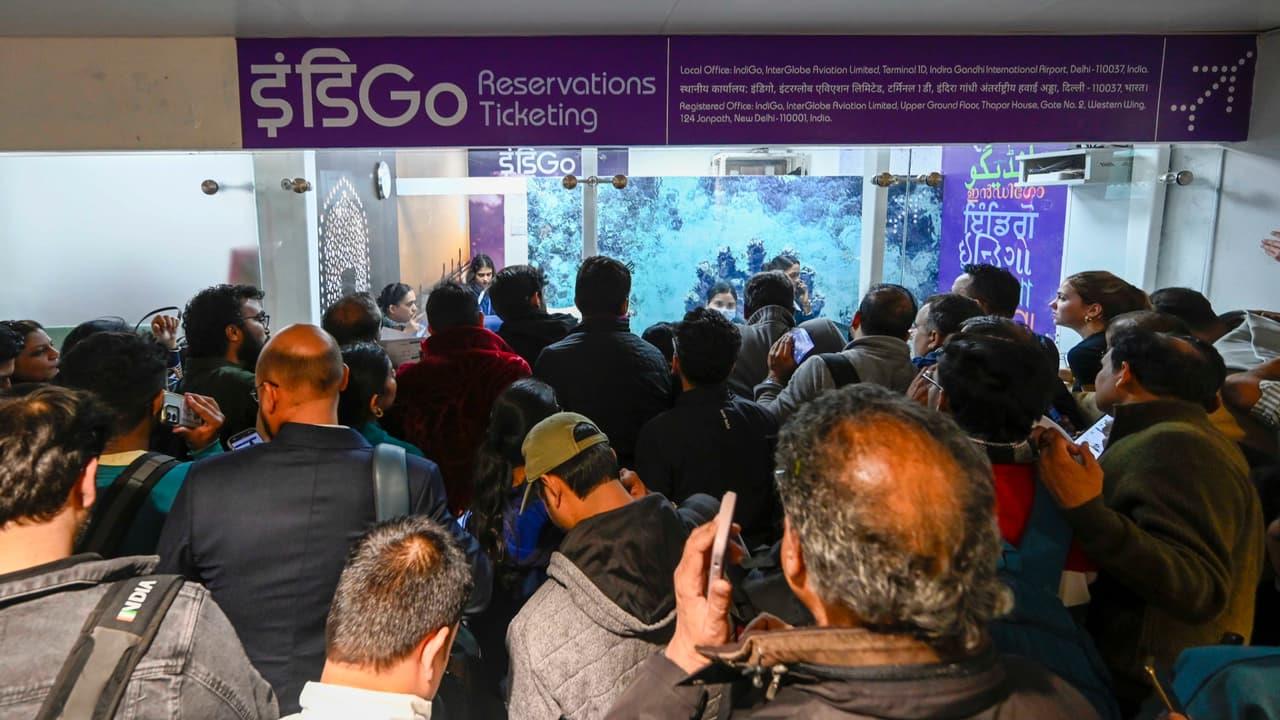
Inside Indigo's Controversial DGCA Relief: Why Pilots Fear For Passenger Safety
(MENAFN- AsiaNet News)
India's largest airline is facing renewed turbulence-this time not in the skies, but on the ground. A decision by the Directorate General of Civil Aviation (DGCA) to grant IndiGo temporary relief from stricter night-duty rules has triggered a sharp backlash from the country's pilots, who say the exemption compromises safety and undermines hard-won reforms in crew fatigue management.
A Storm Brews Over Safety Rules
On Friday, the Airlines' Pilots Association (ALPA) India registered a“strong objection” to what it called the DGCA's“selective and unsafe” exemption granted to IndiGo. The temporary relaxation allows the carrier to sidestep newly tightened Phase-2 Flight Duty Time Limitations (FDTL) - rules that were introduced specifically to reduce pilot fatigue during night operations.
In a blistering letter, ALPA India said the relief“sets a dangerous precedent” and“undermines the very principle and purpose” of the updated civil aviation requirements.
For pilots, the issue is not just regulatory-it is personal. Extended night flying stretches human limits, and the revised FDTL norms were meant to fix a system long criticised for pushing pilots to the brink of exhaustion.
“IndiGo Knew This Was Coming”
ALPA India rejected IndiGo's justification of“passenger inconvenience” and alleged that the current operation disruption was predictable.
“On the pretext of passenger inconvenience, IndiGo is seeking relief despite having knowingly increased their winter operations while being fully aware of the implementation of the second phase of the pilots' flight duty and rest period norms,” the pilots said.
Earlier this week, ALPA had gone further, accusing some carriers of tactical manoeuvring. On Wednesday, the association said the cancellations pointed to a“failure of proactive resource planning by dominant airlines, potentially exacerbated by an effort to pressurise the regulator to dilute the new FDTL norms for commercial gain."
Their argument is blunt: airlines expanded aggressively despite knowing the tighter rules were coming. Now, they say, IndiGo is trying to fly its way out of a self-inflicted crunch.
What the DGCA Says-and Why Pilots Aren't Convinced
The DGCA said on Thursday it had asked IndiGo to spell out the exact FDTL relaxations needed to stabilise operations, after the airline cited“significant transitional challenges” with crew planning and availability.
The regulator has maintained that the exemption is temporary. But for pilots, the concern is what happens after the first domino falls.
“By granting selective exemptions to IndiGo, the DGCA has opened the door for all other operators to cite their own operational, commercial, or scheduling reasons to demand similar dispensations,” ALPA India warned. They added that if reliefs can be granted at will,“the relevance, authority, and intent of the FDTL CAR is defeated entirely.”
A Promise Broken? Pilots Recall Earlier Meetings
The anger also stems from a sense of betrayal. ALPA said it had been assured-verbally, directly, and repeatedly-that no such exemptions would be entertained.
During a November 24 meeting, the association recalled, it was“unequivocally agreed that no dispensation, exemption, or variation, particularly those motivated by commercial interests, would be granted to any operator.”
The pilots added:“The consensus was clear: FDTL norms exist solely to safeguard human life, and any dilution of these limits would expose pilots, passengers, and aircraft to unacceptable risks.”
Yet, they said, the DGCA contradicted this understanding by extending selective relief to IndiGo.
The Larger Debate: Fatigue vs. Profitability
The FDTL rules have had a long, contentious journey. Introduced in January 2024, the updated norms include:
- 48 hours of weekly rest Extended night duty hours A sharp reduction in permitted night landings-from six to two
Domestic airlines, including IndiGo and Air India, initially opposed the changes. But after a lengthy delay and court intervention, the DGCA began rolling out the norms in phases-Phase 1 in July, and Phase 2 on November 1.
Interestingly, even Phase 2 already included some operator-friendly relaxations. ALPA argues that IndiGo has now been given more padding on top of that.
“What is even more alarming is that Phase II itself already includes many dispensations tailor made to the operators selectively... Despite this built-in relief, your office has granted further selective dispensations exclusively to IndiGo,” the pilots said. They called the situation“indefensible” and“dangerous.”
A Vision Once Celebrated, Now Under Scrutiny
The controversy also casts a shadow on earlier government assurances. When the norms were first announced, then Civil Aviation Minister Jyotiraditya Scindia had said:
“These changes - that are very much in line with international best practices - will ensure India has the necessary arsenal, as it prepares to clinch the largest domestic aviation market title in the future.”
Pilots now question whether this vision is being compromised to accommodate short-term scheduling pressures.
What Happens Next?
The standoff between ALPA India, the DGCA, and IndiGo is far from over. With flight cancellations piling up, tens of thousands of passengers are caught in the crossfire.
But underneath the chaos lies a deeper debate about the future of Indian aviation: Should safety rules be flexible for commercial convenience? Or should they remain inviolable, even when they hurt an airline's bottom line?
For the pilots who fly through the darkness-literally and figuratively-the answer is clear. They believe fatigue rules are written in blood, not ink. Any dilution, they warn, risks pushing Indian aviation down a dangerous flight path.

Legal Disclaimer:
MENAFN provides the
information “as is” without warranty of any kind. We do not accept
any responsibility or liability for the accuracy, content, images,
videos, licenses, completeness, legality, or reliability of the information
contained in this article. If you have any complaints or copyright
issues related to this article, kindly contact the provider above.
Most popular stories
Market Research

More Story








Comments
No comment