



403
Sorry!!
Error! We're sorry, but the page you were looking for doesn't exist.
Resilience, Inflation And Debt: 3 Calls For The Global Economy
(MENAFN- ING)
ING's Base Call: Disconnect between geopolitics and economies remains
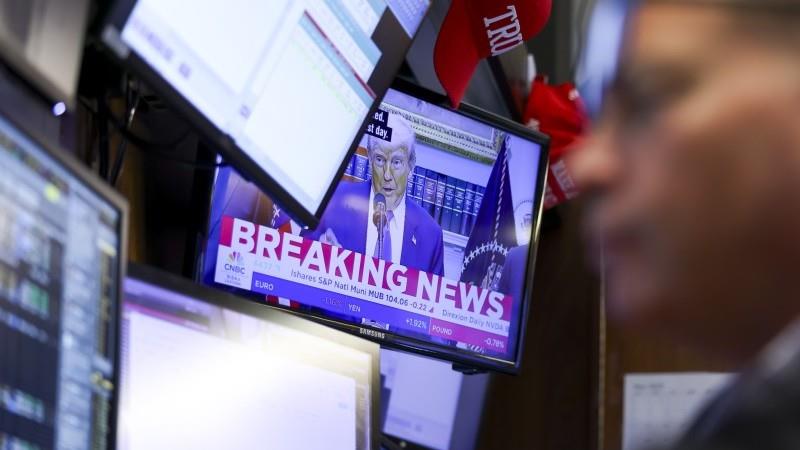
It is remarkable how resilient the global economy has proven to be despite the huge geopolitical shifts and tensions 2025 brought. Stock markets have also quickly adjusted to the new reality of much more political (news) volatility.
In our base case, this disconnect between geopolitics and the global economy will continue in 2026 even though trade tensions are more likely to re-accelerate than fade away, and geopolitical tensions aren't going anywhere, either. This is especially true in Ukraine, where the outlook remains deeply unclear. In what some have called 'the age of instability,' political crises and tensions will ebb and flow across Europe and America, yet - assuming all else remains equal - the global economy should hold steady. We expect fiscal and monetary policy to at least partly offset these tensions and safeguard the global economy against long-lasting turbulence.
Our risky call: Shorter inflation cyclesSince the pandemic, inflation is back. Its surge triggered aggressive monetary policy tightening, which was quickly reversed as inflation then slowed. Even though inflation has remained slightly too high to give central banks full comfort, it does seem to have become less of a concern. After the long inflation cycle, our risky call is that many economies could see shorter inflation cycles this year and beyond as both inflationary and disinflationary forces are strengthening.
In the short run, cyclical disinflation on the back of weaker labour markets and slowing wage growth could still prevail. However, the delayed impact of tariffs and fiscal stimulus could still easily reignite things later in the year. Consequently, 2026 could mark the beginning of a stop-and-go inflation pattern, with shorter but more frequent cycles.
Our bold call: The return of QEMost governments of industrialised countries are currently facing the same dilemma: how to pay for things they can't afford. This holds true for the US, where tariff revenues have risen but remain far too small to fund any additional stimulus – stimulus that could be needed to support the economy or make living costs more affordable. But in Europe, too, where investment needs are high, demographic change is adding to fiscal pressures, and there seems to be little appetite for structural reforms or austerity.
In this world, government debt will continue to increase. While our base case foresees no significant implications from higher debt in 2026, a bold call is clearly the return of asset purchases. As the industrial world increasingly enters an era of fiscal dominance and central banks would rather avoid returning to the zero-interest rate bound, a return to asset purchases, voluntarily or gently forced by governments, could easily be on central banks' policy menu again.

Legal Disclaimer:
MENAFN provides the
information “as is” without warranty of any kind. We do not accept
any responsibility or liability for the accuracy, content, images,
videos, licenses, completeness, legality, or reliability of the information
contained in this article. If you have any complaints or copyright
issues related to this article, kindly contact the provider above.
Most popular stories
Market Research

More Story








Comments
No comment