



403
Sorry!!
Error! We're sorry, but the page you were looking for doesn't exist.
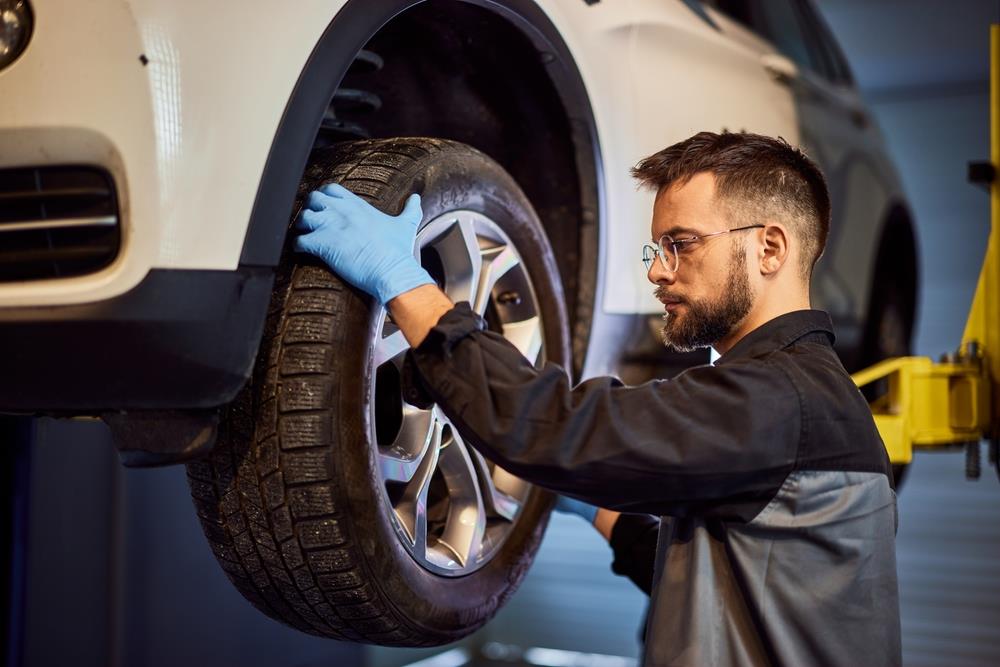
Why Your Tires Wear Unevenly Even After Rotations
(MENAFN- Clever Dude) Tires look simple, but they wear like a record of every mile, pothole, and steering correction. Drivers expect tire rotations to keep that wear balanced. And when the tread still disappears unevenly, frustration hits fast because something deeper is going on. Uneven tire wear signals problems that cost money, reduce safety, and shorten the life of every set you buy. Here are seven potential reasons your tires might be wearing unevenly.1. Wheel Alignment Isn't Holding
Alignment sounds routine, but when it drifts even slightly, the tires argue with the road. They scrub. They drag. And they shed rubber in patterns that rotations cannot hide. A car that tracks straight can still run with alignment angles that fall outside ideal specs, especially after hitting a curb or slipping into a deep pothole. Toe, camber, and caster angles all shift differently, and each one can create its own brand of uneven tire wear.
Some alignment issues move quietly. You won't feel a pull. The steering wheel might remain centered. But the tires keep grinding down at the edges or feathering across the tread blocks. Rotating those tires only spreads the damage, not the solution.
2. Suspension Parts Fade Before You NoticeSuspension components wear slowly, then fail abruptly. Bushings harden. Ball joints loosen. Shocks and struts lose the ability to control movement. When those pieces stop holding the wheels steady, the tires start tracing unpredictable arcs on the pavement. That shifting motion wears down the tread unevenly, long before a driver realizes something feels off.
Even a small amount of play in a single joint creates alignment angles that won't stay locked in, even after a shop sets them. The result: rotations delay the symptoms but never fix the cause. Tires continue wearing in waves or cupped patches because the suspension no longer stabilizes them.
3. Overinflation and Underinflation Fight for ControlA tire's shape changes with every pound of air added or lost. Too much pressure pushes the center of the tread outward, lifting the edges off the pavement. Too little pressure does the opposite, letting the shoulders collapse and grind themselves down. Rotations help only if the pressure mistake gets corrected early. Most of the time, the damage forms long before a driver checks the gauge.
Inconsistent pressure across multiple tires creates patterns that look mechanical but are actually self-inflicted. The tread tells the truth. And if pressure isn't monitored regularly, uneven tire wear eventually becomes inevitable.
4. Driving Habits You Don't NoticeSome drivers corner hard. Others ride the brakes. Many sit at angles in their lane without realizing it. Each small behavior adds up. Tires experience those habits as constant stress. Sharp turns wear the outer shoulders. Quick braking flattens isolated patches. Frequent highway merging grinds down one side faster than the other. Over time, no rotation can hide the fact that the car is being driven in a way that favors one part of the tread.
These habits aren't always extreme. Sometimes they're subtle patterns. A slight steering correction held over long commutes. A driveway angle that forces a daily turn in the same direction. All of it contributes to uneven tire wear.
5. Tires Don't Always Match Each OtherWhen a vehicle runs on mismatched tires -different brands, models, sizes, or wear levels-the rotation pattern falls apart. Each tire grips and flexes differently. Each one heats at a different rate. So they wear in non-uniform ways. Rotating them only mixes the patterns, making the final result look chaotic.
Even buying two new tires instead of four can create an imbalance. The fresh pair has deeper tread and stiffer construction. The older pair behaves differently. That contrast forces uneven tire wear because the workload doesn't spread evenly across all four contact patches.
6. Mechanical Drag You Can't FeelA sticking caliper, a dragging parking brake, or a worn wheel bearing puts constant resistance on one wheel. The car still moves normally, so most drivers have no idea anything is wrong. But the affected tire heats up. Heat accelerates wear. And as the rubber softens under the extra load, the tread disappears faster than any rotation schedule can manage.
This kind of uneven tire wear often shows up on a single wheel. The difference becomes obvious only when comparing tire temperatures or noticing a sharp drop in fuel efficiency.
7. Rotations Done IncorrectlyA rotation helps only when performed at the right intervals and in the correct pattern. Some vehicles use directional tires. Others require staggered setups with different sizes front and rear. When the pattern is wrong, the tires end up fighting against their design. That conflict shows up as uneven tire wear even though the owner followed the recommended schedule.
Improper torque on lug nuts also plays a role. If the wheel isn't seated evenly, it wobbles slightly during rotation. That movement wears the tread in an irregular pattern, especially at highway speeds.
What Helps Tires Wear EvenlyUneven tire wear doesn't come from one cause. It builds when small issues stack together. Regular pressure checks, consistent alignment inspections, and honest evaluations of suspension health make the biggest difference. Rotations matter, but they work only when the underlying mechanics stay sound.
What pattern have you seen on your own tires, and what finally solved it for you?

Legal Disclaimer:
MENAFN provides the
information “as is” without warranty of any kind. We do not accept
any responsibility or liability for the accuracy, content, images,
videos, licenses, completeness, legality, or reliability of the information
contained in this article. If you have any complaints or copyright
issues related to this article, kindly contact the provider above.
Most popular stories
Market Research

More Story







Comments
No comment