





403
Sorry!!
Error! We're sorry, but the page you were looking for doesn't exist.
What Is Water Infrastructure? How American Partners Are Working Towards Improvement
(MENAFN- Digital solutions)
Water is life. It's a simple truth that becomes complex when you consider how water reaches our taps, irrigates our crops, generates our electricity, and supports our ecosystems. Behind every glass of drinking water and every functioning farm lies an intricate network of pipes, dams, treatment plants, reservoirs, and pumping stations—collectively known as water infrastructure. As climate change intensifies droughts and floods, and as aging systems face increasing demands, America's water infrastructure has become a critical focus for policymakers, communities, and infrastructure managers nationwide.
Understanding Water Infrastructure
Water infrastructure encompasses all the physical systems designed to manage, store, treat, and distribute water. These systems serve multiple purposes, from providing clean drinking water to homes and businesses, to supporting agriculture, generating hydroelectric power, and protecting communities from floods.
The major components include:
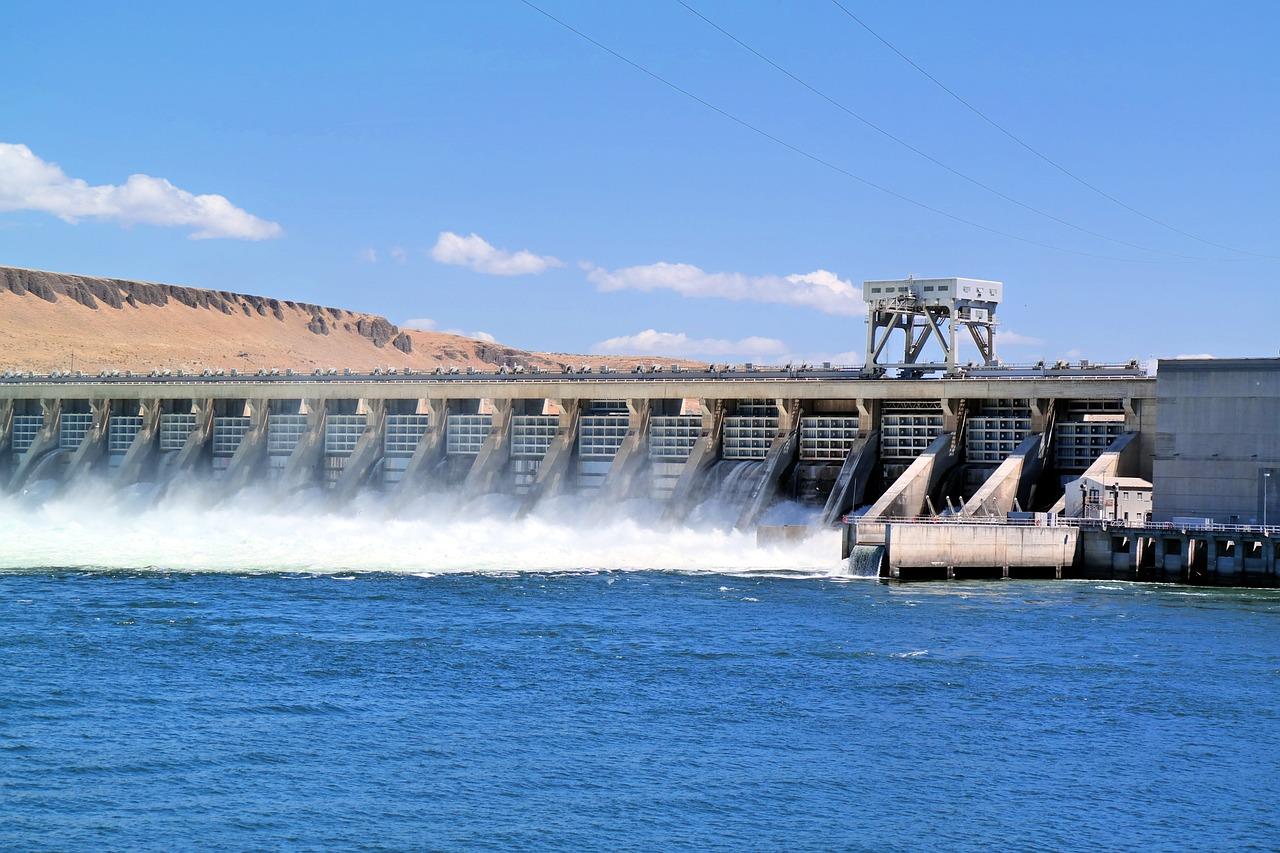
Dams and Reservoirs: Large structures that store water for multiple uses, control flooding, and generate hydroelectric power. The United States has over 90,000 dams, ranging from massive structures like the Hoover Dam to smaller local facilities. Reservoirs provide crucial storage capacity, allowing water managers to capture precipitation during wet periods and release it during dry times.
Water Treatment Plants: Facilities that purify water to make it safe for drinking and other uses. These plants use various processes—filtration, chemical treatment, and disinfection—to remove contaminants and ensure water meets safety standards. After use, wastewater treatment plants clean water before returning it to rivers and streams.
Distribution Systems: The vast network of pipes, pumps, and valves that deliver water to homes, businesses, farms, and other users. These systems can span thousands of miles in major metropolitan areas and represent some of the most valuable—and vulnerable—infrastructure assets communities own.
Irrigation Systems: Infrastructure designed specifically to deliver water to agricultural lands. In the Western United States, these systems are essential for farming in arid regions, supporting the production of fruits, vegetables, and other crops that feed the nation.
Flood Control Infrastructure: Levees, channels, and other structures designed to manage stormwater and protect communities from flooding. These systems become increasingly important as climate patterns shift and extreme weather events intensify.
Hydroelectric Facilities: Dams and powerhouses that generate electricity from flowing water, providing renewable energy to millions of Americans while serving other water management purposes.
Why Water Infrastructure Matters
Water infrastructure sits at the intersection of public health, economic prosperity, environmental stewardship, and national security. Clean drinking water prevents disease and supports healthy communities. Reliable water supplies enable agricultural production, manufacturing, and countless other economic activities. Properly managed water systems protect ecosystems and endangered species. And resilient infrastructure helps communities withstand droughts, floods, and other climate-related challenges.
The Western United States faces particular water infrastructure challenges. Much of the region relies on snowpack that accumulates in mountains during winter and melts gradually through spring and summer, providing water during the growing season. Dams and reservoirs capture this water, making year-round supplies available in areas that would otherwise be too dry for intensive agriculture or large populations. The Bureau of Reclamation, created in 1902, built much of this infrastructure and continues to manage major water projects across 17 Western states.
However, much of America's water infrastructure is aging. Many systems were built decades ago and now require significant maintenance, upgrades, or replacement. The American Society of Civil Engineers regularly grades U.S. infrastructure, and water systems consistently receive mediocre marks due to aging pipes, outdated treatment facilities, and insufficient capacity to meet current and future demands.
Current Challenges Facing Water Infrastructure
Climate change is altering precipitation patterns, causing longer droughts in some regions and more intense storms in others. This variability makes water management more challenging and increases stress on existing infrastructure. The Western megadrought of recent years has drawn down major reservoirs to historic lows, highlighting the vulnerability of water supplies.
Population growth and economic development increase water demands even as some sources become less reliable. Urban areas expand into water-scarce regions, and competing uses—residential, agricultural, industrial, environmental—create tensions over limited supplies.
Aging infrastructure creates multiple problems. Leaking pipes waste treated water and increase costs. Outdated treatment plants struggle to remove emerging contaminants. Deteriorating dams pose safety risks. Replacing or upgrading these systems requires enormous investment, and many communities, particularly smaller ones, struggle to fund necessary improvements.
Regulatory complexity can slow infrastructure projects. Multiple agencies at federal, state, and local levels oversee different aspects of water management, each with their own requirements and approval processes. Environmental reviews, permitting procedures, and compliance requirements, while important for protecting resources, can add years to project timelines.
Secretary's Order 3446: Streamlining Federal Water Projects
In a significant policy shift aimed at addressing some of these challenges, the Department of the Interior announced measures to streamline federally funded construction projects at Bureau of Reclamation facilities across the Western states. Secretary's Order 3446 represents an effort to reduce administrative burdens, cut costs for water and power users, and accelerate the delivery of critical infrastructure.
The order directs the Bureau of Reclamation to work with local water and power partners to modify certain contracts and establish new terms that allow qualified partners to manage portions of the procurement process on some federally funded projects. This partner-led approach is designed to speed up project delivery and improve efficiency while maintaining federal oversight.
According to Secretary Doug Burgum, the administration's focus is on reducing unnecessary procedures and lowering costs for families, farmers, and communities. By empowering local partners and simplifying federal processes, the goal is to deliver water and power projects faster while strengthening economic growth throughout the West.
One early implementation of this new approach will be the B.F. Sisk Dam Raise and Reservoir Expansion, conducted in partnership with the San Luis and Delta Mendota Water Authority. Under the new model, the authority will conduct procurement for a significant part of the storage raise project during the upcoming construction period. This expansion will add 130,000 acre-feet of storage capacity to the San Luis Reservoir, which currently holds 2 million acre-feet and stands as the largest off-stream reservoir in the United States.
Beyond individual projects, the order directs Reclamation to review key processes and programs, including cost-share programs, agency guidelines, engineering design review procedures, and environmental compliance. By engaging with stakeholders, the Bureau aims to identify process improvements and efficiencies across its operations.
Assistant Secretary for Water and Science Andrea Travnicek emphasized that the order addresses feedback from many stakeholders who have identified numerous ways to improve Reclamation's customer service. The order will facilitate these improvements in alignment with administration goals.
The broader effort will identify additional opportunities to reduce regulatory burdens across major Reclamation programs. As part of this work, Reclamation will consult with water and power users, tribal nations, and other stakeholders to pinpoint changes that can shorten timelines and lower costs. The Interior Department will also evaluate whether this partner-led contracting approach could strengthen project delivery in other bureaus, including the Bureau of Indian Affairs.
Funding and Investment in Water Infrastructure
Water infrastructure requires sustained, substantial investment. The Infrastructure Investment and Jobs Act, passed in 2021, allocated significant funding for water systems, including money for drinking water improvements, lead pipe replacement, and drought resilience projects. States receive allocations to address their most pressing water infrastructure needs.
Private investment also plays a role, particularly for water utilities serving large populations. However, the public nature of water services and the long timeframes for returns on investment mean that government funding remains essential for most water infrastructure projects.
The challenge is balancing immediate needs with long-term planning. Fixing a leaking pipe is urgent, but building new storage capacity for future droughts requires vision and patience. Maintaining existing systems is essential, but adapting to climate change demands new approaches and infrastructure.
Innovation and the Future of Water Infrastructure
Technology is transforming how we manage water. Smart meters provide real-time data on water use, helping utilities detect leaks and manage demand. Advanced sensors monitor water quality continuously, allowing rapid response to contamination. Satellite imagery and computer modeling improve drought forecasting and water allocation decisions.
Water reuse and recycling technologies are expanding water supplies in water-scarce regions. Treated wastewater can be purified to drinking water standards or used for irrigation and industrial purposes, reducing pressure on natural sources.
Nature-based solutions complement traditional infrastructure. Wetlands restoration, forest management, and green stormwater infrastructure can improve water quality, reduce flood risks, and support ecosystems while costing less than concrete-and-steel alternatives.
Desalination technology, while energy-intensive and expensive, provides options for coastal communities. As technology improves and costs decline, desalination may play a larger role in America's water future.
The Path Forward
Water infrastructure faces a pivotal moment. The combination of aging systems, climate change, and growing demands requires action. Recent policy changes aimed at streamlining project delivery and reducing costs represent one approach to accelerating needed improvements.
Success will require collaboration among federal agencies, state and local governments, water utilities, agricultural users, environmental organizations, and communities. It will require adequate funding, smart regulation that protects resources without creating unnecessary delays, and willingness to adopt new technologies and approaches. As such, public-private American infrastructure partnerships are critical.
Water infrastructure may not be as visible as highways or airports, but it's equally essential to American life. Every community depends on reliable, affordable water supplies. Every farmer needs irrigation systems that work. Every family deserves clean, safe drinking water. Building and maintaining the infrastructure to deliver these essentials is a challenge that demands sustained attention and resources.
The decisions made today about water infrastructure will shape America's future for generations. Streamlining project delivery, investing adequately, embracing innovation, and planning for changing conditions are all part of ensuring that water infrastructure continues serving the nation's needs in an uncertain future. The work is complex and often invisible, but it's absolutely critical to the health, prosperity, and resilience of communities across the country.

Legal Disclaimer:
MENAFN provides the
information “as is” without warranty of any kind. We do not accept
any responsibility or liability for the accuracy, content, images,
videos, licenses, completeness, legality, or reliability of the information
contained in this article. If you have any complaints or copyright
issues related to this article, kindly contact the provider above.
Most popular stories
More Story








Comments
No comment