




403
Sorry!!
Error! We're sorry, but the page you were looking for doesn't exist.
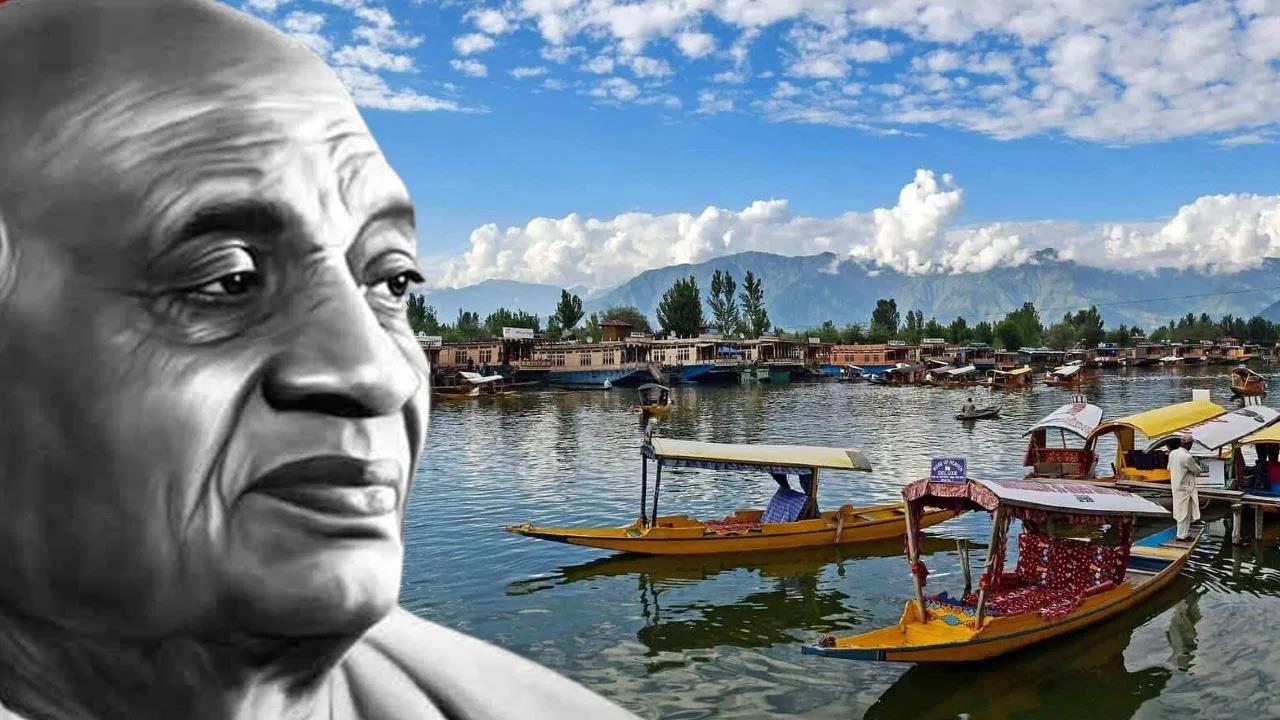
Reading Patel Through A Kashmiri Lens
(MENAFN- Kashmir Observer)
Sardar Patel Aur Kashmir By Saifuddin Soz
Sardar Patel Aur Kashmir By Saifuddin Soz
By Khwaja Farooq Renzu Shah
Prof. Saif-ud-Din Soz's Sardar Patel Aur Kashmir enters the conversation like a patient guide opening old files and asking us to read them again.
The book works as a historical study and a personal reflection, and its mix of both gives it weight.
ADVERTISEMENTIt circles around a question that hovers over every political debate in the valley: how did the early choices of 1947 and 1948 set the tone for the decades that followed?
The review grows out of a long interaction I had with Prof. Soz at the Kashmir Society International before the book's release. He walked through his claims with care and confidence, and those conversations shape the way the book lands on the page.
One of the strongest sections explores Sardar Vallabhbhai Patel's position on Kashmir during the early months of independence.
Prof. Soz argues that Patel showed a willingness, in the early phase, to let Kashmir accede to Pakistan. He ties this to the correspondence of that period and the shifting political mood. He also stresses that Patel pushed for continued military action on the Doemail and Uri fronts and disagreed with the ceasefire timing.
According to him, the halt in operations opened the door to the division that still defines the valley's reality.
The portrait he draws is steady and measured. Patel appears as a statesman shaped by the turbulence of his time.
The book invites readers to hold two ideas together: Patel could show flexibility on accession and at the same moment resist concessions on military ground.
The friction between these ideas turns the chapter into one of the most absorbing parts of the book.
Prof. Soz's experience as a former Union Minister for Water Resources brings another dimension to the narrative.
His discussion on the Indus Water Treaty goes beyond the common nationalist frames that dominate television panels. He places Kashmir at the centre of the river system and reminds readers that these waters support communities across borders.
His account of taking Pakistan's senior water officials to the Tulbul Navigation Project in Sopore during his tenure adds a rare field-level detail. It shows how technical dialogue can open doors even in times of political strain.
He makes a simple case: Kashmir's development plans need space, and the treaty's obligations toward Pakistan also stand on firm ground.
The two can coexist when handled with clarity.
The book also enters the charged political theatre of the late 1990s.
When Prof. Soz describes the vote of confidence in 1999, the tone shifts into something closer to confession. He recalls the moment he cast the deciding vote that toppled the Vajpayee government. He separates his view of Vajpayee as a person from the larger ideological space around the government and holds his ground on why he acted as he did.
His reflections on Farooq Abdullah's political choices in that period add a layer of insight for readers trying to understand how Delhi and Srinagar shaped each other during that decade.
Historical voices from Kashmir receive thoughtful attention as well.
The chapters on Moulana Masoodi and early parliamentary representation walk through a Kashmir that rarely appears in mainstream narratives. The descriptions capture the texture of a region negotiating its identity inside a new republic. They also show how personal relationships and local pressures influenced decisions that continue to carry consequences.

Legal Disclaimer:
MENAFN provides the
information “as is” without warranty of any kind. We do not accept
any responsibility or liability for the accuracy, content, images,
videos, licenses, completeness, legality, or reliability of the information
contained in this article. If you have any complaints or copyright
issues related to this article, kindly contact the provider above.
Most popular stories
Market Research




Comments
No comment