





403
Sorry!!
Error! We're sorry, but the page you were looking for doesn't exist.
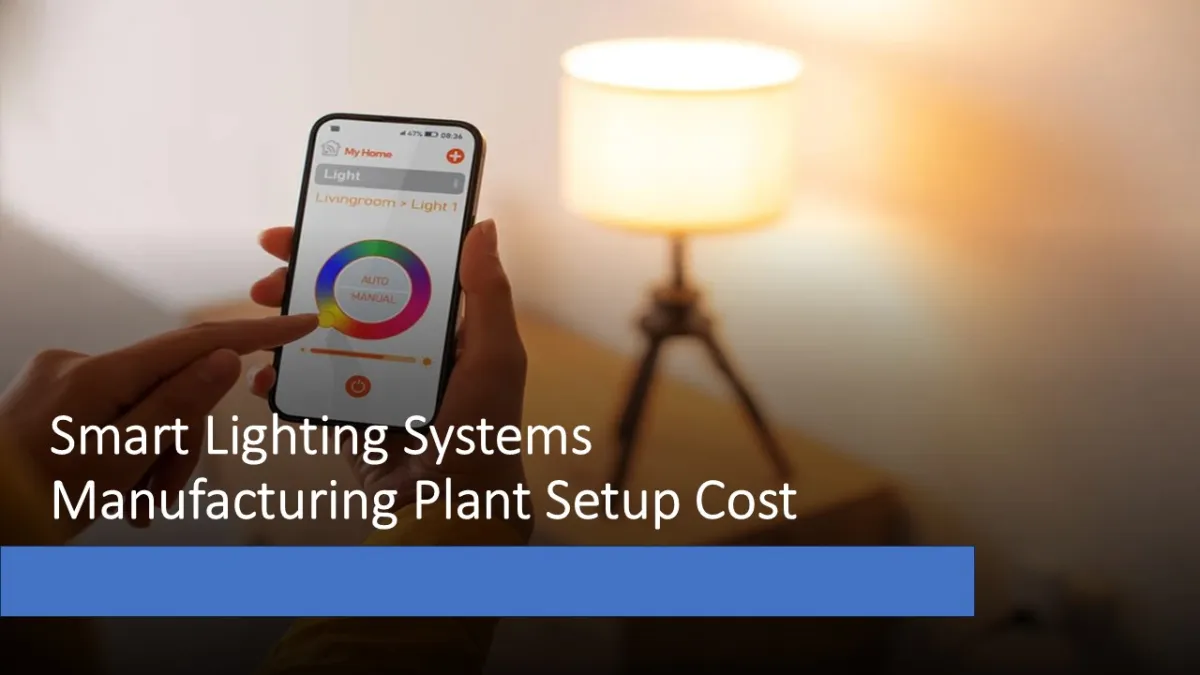
Smart Lighting Systems Manufacturing Report 2025: Technical Requirements, Cost Structure, And ROI Analysis
(MENAFN- IMARC Group)
Smart lighting systems are advanced illumination solutions that use technologies such as IoT, sensors, wireless controls, and AI to provide energy-efficient, automated, and customizable lighting. These systems enable users to control brightness, color, and scheduling through smartphones, voice assistants, or integrated building management systems. They are widely used in residential, commercial, and industrial sectors, offering benefits such as reduced energy consumption, enhanced security, and improved ambiance.
Smart lighting systems are advanced illumination solutions that use technologies such as IoT, sensors, wireless controls, and AI to provide energy-efficient, automated, and customizable lighting. These systems enable users to control brightness, color, and scheduling through smartphones, voice assistants, or integrated building management systems. They are widely used in residential, commercial, and industrial sectors, offering benefits such as reduced energy consumption, enhanced security, and improved ambiance.
A smart lighting systems production plant requires specialized facilities for assembling LED units, sensors, drivers, and connectivity modules, along with software integration. The setup includes design, testing labs, quality certification, and packaging. Skilled engineers, R&D teams, and advanced automation are essential. With rising demand for energy-efficient solutions and smart homes, such a plant offers significant opportunities for growth and long-term profitability.
IMARC Group's report, titled “Smart Lighting Systems Manufacturing Plant Setup Cost 2025: Industry Trends, Plant Setup, Machinery, Raw Materials, Investment Opportunities, Cost and Revenue,” provides a complete roadmap for setting up a smart lighting systems manufacturing plant. It covers a comprehensive market overview to micro-level information such as unit operations involved, raw material requirements, utility requirements, infrastructure requirements, machinery and technology requirements, manpower requirements, packaging requirements, transportation requirements, etc.
Smart Lighting Systems Industry Outlook 2025
The smart lighting systems industry in 2025 is projected to grow at over 15% CAGR, driven by urbanization, government initiatives for energy efficiency, and rising adoption of smart homes and offices. The global market is expected to surpass USD 30 billion, with strong growth in Asia-Pacific and Europe. Innovations in wireless controls, AI-driven automation, and integration with renewable energy sources are reshaping the market. Increasing investments in smart city projects and green building standards further support this industry's rapid expansion.
Request for a Sample Report : https://www.imarcgroup.com/smart-lighting-systems-manufacturing-plant-project-report/requestsample
Key Insights for Setting Up a Smart Lighting Systems Manufacturing Plant
Detailed Process Flow
-
Product Overview
Unit Operations Involved
Mass Balance and Raw Material Requirements
Quality Assurance Criteria
Technical Tests
Project Details, Requirements and Costs Involved:
-
Land, Location and Site Development
Plant Layout
Machinery Requirements and Costs
Raw Material Requirements and Costs
Packaging Requirements and Costs
Transportation Requirements and Costs
Utility Requirements and Costs
Human Resource Requirements and Costs
Capital Expenditure (CapEx) and Operational Expenditure (OpEx) Analysis:
Project Economics:
-
Capital Investments
Operating Costs
Expenditure Projections
Revenue Projections
Taxation and Depreciation
Profit Projections
Financial Analysis
Profitability Analysis:
-
Total Income
Total Expenditure
Gross Profit
Gross Margin
Net Profit
Net Margin
Key Cost Components
. Land and Infrastructure: Cost of land, factory construction, warehouses, and utilities.
. Machinery and Equipment: LED assembly lines, SMT machines, PCB fabrication, soldering units, and testing equipment.
. Raw Materials: LEDs, drivers, sensors, chips, wiring, and smart controllers.
. Labor and Workforce: Salaries, hiring, and training of engineers, technicians, and operators.
. Technology and R&D: Software development, IoT integration, patents, and innovation in AI-based controls.
. Utilities: Electricity, HVAC, water, and other operational requirements.
. Quality Control and Testing: Reliability testing, safety certifications, and compliance labs.
. Packaging and Logistics: Protective packaging, supply chain management, and distribution.
. Regulatory and Compliance Costs: Certifications for electrical safety, energy standards, and IoT security compliance.
Economic Trends Influencing Smart Lighting Systems Plant Setup Costs 2025
. Smart City Initiatives: Governments investing heavily in intelligent infrastructure.
. Energy Efficiency Policies: Stringent regulations driving demand for sustainable lighting solutions.
. Technological Advancements: Growth of IoT, AI, and wireless communication increases production complexity.
. Rising Urbanization: Expanding demand for smart homes, offices, and commercial complexes.
. Component Price Volatility: Fluctuating costs of semiconductors and sensors impact manufacturing.
. Global Supply Chain Shifts: Nearshoring and localization strategies affecting cost structures.
Request For Customization: https://www.imarcgroup.com/request?type=report&id=23925&flag=E
Challenges and Considerations for Investors
. High Initial Investment: Advanced machinery, R&D, and technology integration require significant capital.
. Rapid Technology Evolution: Continuous innovation needed to remain competitive.
. Cybersecurity Risks: Smart systems face data privacy and hacking concerns.
. Market Competition: Presence of established global players increases entry barriers.
. Skilled Workforce Requirement: Dependence on engineers and software developers raises operational costs.
. Regulatory Compliance: Meeting strict energy efficiency and safety standards across regions.
Conclusion:
The smart lighting systems industry is set for strong growth in 2025, driven by energy efficiency mandates, urban development, and rapid adoption of IoT-based solutions. Although challenges such as high setup costs, cybersecurity, and intense competition exist, strategic investments in innovation, quality, and compliance can ensure high returns. For investors, the sector presents an opportunity to align with the future of sustainable and intelligent infrastructure.
About Us:
IMARC Group is a global management consulting firm that helps the world's most ambitious changemakers to create a lasting impact. The company excel in understanding its client's business priorities and delivering tailored solutions that drive meaningful outcomes. We provide a comprehensive suite of market entry and expansion services. Our offerings include thorough market assessment, feasibility studies, company incorporation assistance, factory setup support, regulatory approvals and licensing navigation, branding, marketing and sales strategies, competitive landscape, and benchmarking analyses, pricing and cost research, and procurement research.
Contact Us:
IMARC Group
134 N 4th St. Brooklyn, NY 11249, USA
Email: sales[@]imarcgroup.com
Tel No:(D) +91 120 433 0800
United States: (+1-201971-6302)

Legal Disclaimer:
MENAFN provides the
information “as is” without warranty of any kind. We do not accept
any responsibility or liability for the accuracy, content, images,
videos, licenses, completeness, legality, or reliability of the information
contained in this article. If you have any complaints or copyright
issues related to this article, kindly contact the provider above.
Most popular stories
Market Research

More Story








Comments
No comment