




403
Sorry!!
Error! We're sorry, but the page you were looking for doesn't exist.
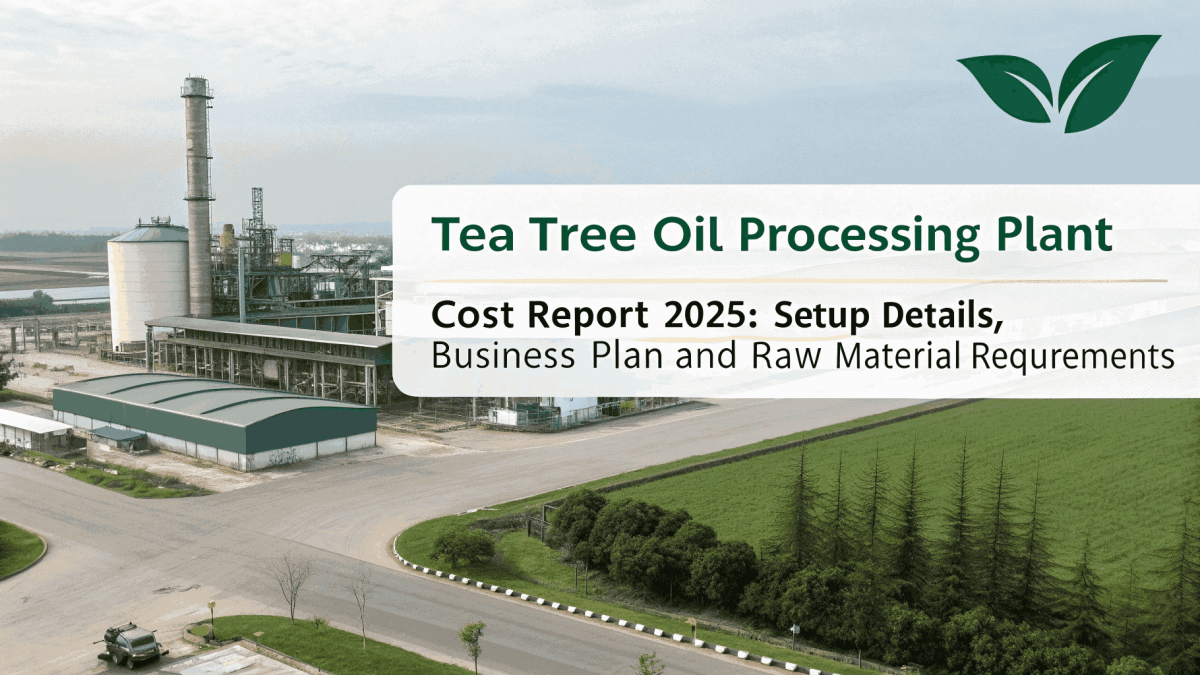
Tea Tree Oil Processing Plant Cost Report 2025: Setup Details, Business Plan And Raw Material Requirements
(MENAFN- IMARC Group)
Introduction:
Tea tree oil is an essential oil derived from the leaves of the Melaleuca alternifolia tree, native to Australia. Renowned for its antimicrobial and anti-inflammatory properties, tea tree oil is widely used in skincare products, household cleaners, and medicinal applications. Its effectiveness in treating acne, dandruff, and minor wounds has made it a popular ingredient in natural health and beauty products. Additionally, tea tree oil is valued for its refreshing scent and is often used in aromatherapy.
Setting up a tea tree oil processing plant involves several critical steps, including site selection, equipment acquisition, and compliance with regulatory standards. Essential equipment includes steam distillation units for extracting oil from tea tree leaves, as well as storage tanks for raw materials and finished products. Securing a reliable supply of quality tea tree leaves is crucial, along with implementing quality control measures. Adhering to environmental regulations and ensuring worker safety will also play a vital role in the successful operation of the plant.
IMARC Group's report, titled “Tea Tree Oil Processing Plant Project Report 2025: Industry Trends, Plant Setup, Machinery, Raw Materials, Investment Opportunities, Cost and Revenue,” provides a complete roadmap for setting up a tea tree oil processing plant. It covers a comprehensive market overview to micro-level information such as unit operations involved, raw material requirements, utility requirements, infrastructure requirements, machinery and technology requirements, manpower requirements, packaging requirements, transportation requirements, etc.
Request for a Sample Report: https://www.imarcgroup.com/tea-tree-oil-processing-plant-project-report/requestsample
Tea Tree Oil Industry Outlook 2025
The tea tree oil industry is expected to experience significant growth by 2025, driven by rising consumer demand for natural and organic products in the skincare and wellness sectors. Increasing awareness of the benefits of tea tree oil, including its antibacterial and antifungal properties, is fueling its popularity in personal care formulations. Additionally, the growing trend towards holistic health and eco-friendly products is enhancing market prospects. As consumers prioritize sustainability, the tea tree oil market is well-positioned for expansion, supported by innovations in extraction and production techniques.
Key Insights for Tea Tree Oil Processing Plant Setup
Detailed Process Flow
-
Product Overview
Unit Operations Involved
Mass Balance and Raw Material Requirements
Quality Assurance Criteria
Technical Tests
Project Details, Requirements, and Costs Involved:
-
Land, Location and Site Development
Plant Layout
Machinery Requirements and Costs
Raw Material Requirements and Costs
Packaging Requirements and Costs
Transportation Requirements and Costs
Utility Requirements and Costs
Human Resource Requirements and Costs
Capital Expenditure (CapEx) and Operational Expenditure (OpEx) Analysis:
Project Economics:
-
Capital Investments
Operating Costs
Expenditure Projections
Revenue Projections
Taxation and Depreciation
Profit Projections
Financial Analysis
Profitability Analysis:
-
Total Income
Total Expenditure
Gross Profit
Gross Margin
Net Profit
Net Margin
Request Customization: https://www.imarcgroup.com/request?type=report&id=11314&flag=E
Key Cost Components of Setting Up a Tea Tree Oil Plant
-
Raw Material Costs : Expenses for sourcing high-quality tea tree leaves and maintaining sustainable plantations.
Equipment Costs : Investment in distillation units, extraction equipment, and quality control systems.
Labor Costs : Salaries for skilled workers, technicians, and administrative staff.
Facility Costs : Expenses related to land acquisition, plant construction, and utilities.
Regulatory Compliance : Costs for obtaining necessary permits, certifications, and adhering to safety standards.
Marketing and Distribution : Budget for branding, packaging, and establishing distribution channels.
Research and Development : Investment in product innovation and quality improvement processes.
Economic Trends Influencing Tea Tree Oil Plant Setup Costs 2025
-
Rising Demand : Increasing consumer preference for natural and organic products drives higher raw material costs.
Sustainability Focus : Growing emphasis on eco-friendly practices may lead to increased operational expenses.
Technological Advancements : Innovations in extraction methods could reduce long-term operational costs.
Market Competition : Expanding market presence may necessitate higher marketing and distribution investments.
Regulatory Changes : Potential new regulations may impact compliance costs and operational procedures.
Global Supply Chain Dynamics : Fluctuations in supply chain costs can affect overall setup expenses.
Challenges and Considerations for Investors
-
Market Volatility : Fluctuating prices of raw materials can impact profitability.
Regulatory Hurdles : Navigating complex regulations and obtaining necessary certifications can be challenging.
Quality Control : Ensuring consistent product quality requires investment in testing and quality assurance.
Sustainability Practices : Balancing environmental concerns with operational efficiency can be difficult.
Competition : Increasing competition from established brands and new entrants may pressure margins.
Consumer Trends : Keeping up with changing consumer preferences for natural products is essential for success.
Conclusion
This report aims to serve as a practical guide for entrepreneurs, investors, and industrial planners exploring opportunities in Tea tree oil production. By understanding the cost structure, market dynamics, and operational challenges, stakeholders can make informed decisions and devise sustainable strategies for entry and expansion in the sector.
About Us: IMARC Group is a global management consulting firm that helps the world's most ambitious changemakers to create a lasting impact. The company excel in understanding its client's business priorities and delivering tailored solutions that drive meaningful outcomes. We provide a comprehensive suite of market entry and expansion services. Our offerings include thorough market assessment, feasibility studies, company incorporation assistance, factory setup support, regulatory approvals and licensing navigation, branding, marketing and sales strategies, competitive landscape, and benchmarking analyses, pricing and cost research, and procurement research.
Contact Us:
IMARC Group
134 N 4th St., Brooklyn, NY 11249, USA
Email: sales[@]imarcgroup.com
Tel No:(D) +91 120 433 0800
United States: (+1-201971-6302)

Legal Disclaimer:
MENAFN provides the
information “as is” without warranty of any kind. We do not accept
any responsibility or liability for the accuracy, content, images,
videos, licenses, completeness, legality, or reliability of the information
contained in this article. If you have any complaints or copyright
issues related to this article, kindly contact the provider above.
Most popular stories
Market Research

More Story








Comments
No comment