










403
Sorry!!
Error! We're sorry, but the page you were looking for doesn't exist.

Why Israel's Self-Image Changed From Self-Reliance To Militarism
(MENAFN- Asia Times)
When the Zionist movement began to gather pace a century ago, many Jewish supporters wanted not just to create a political state for themselves, but to initiate a cultural revolution that would forge a new kind of Jewishness.
Proud, self-reliant and resilient, the “new Jew” was a reaction to centuries of bullying, culminating in the virulent antisemitism of the modern era.
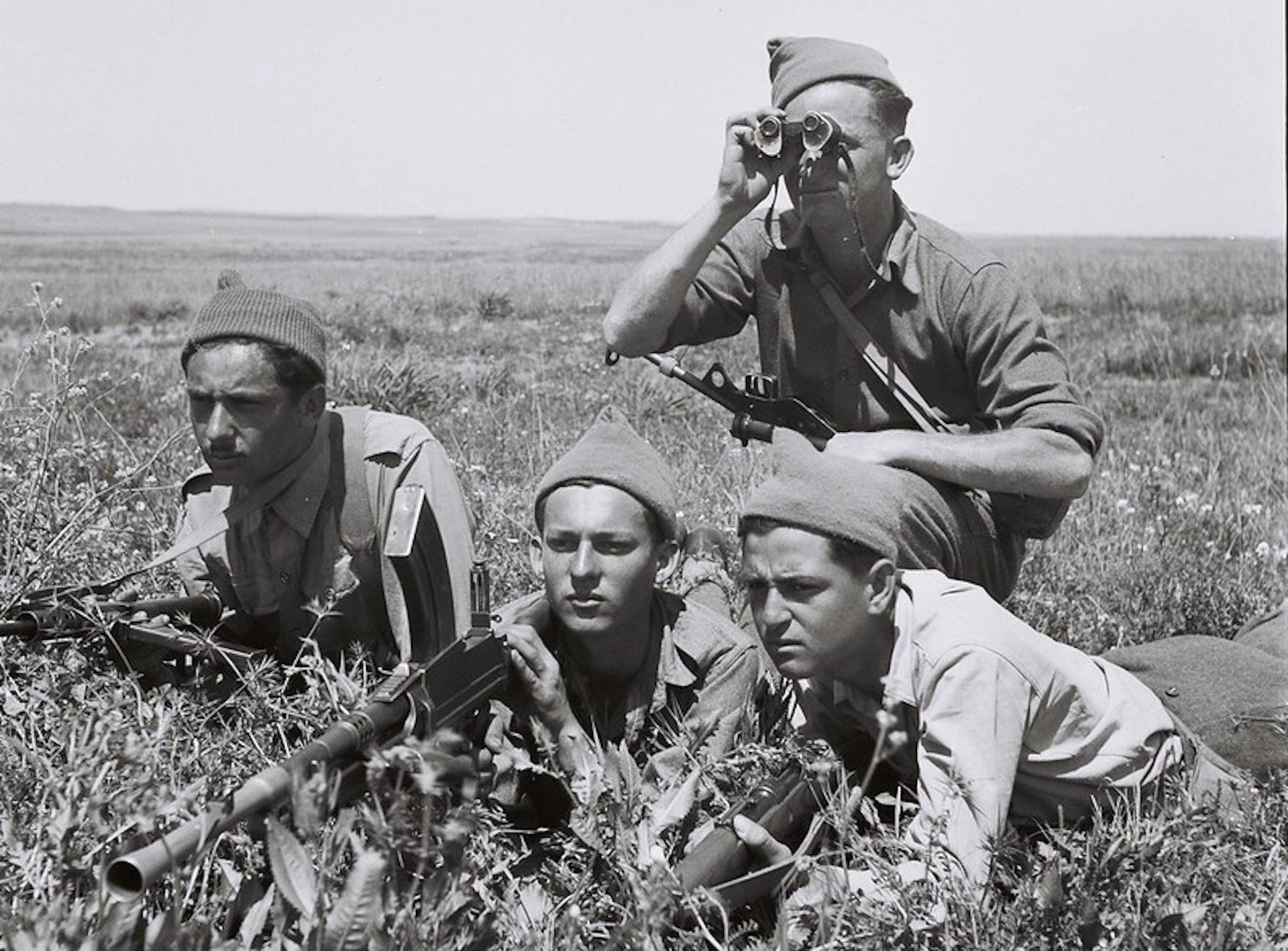
But, as I argue in my book, New Hebrews: Making National Culture in Zion , as Zionists set out to invent themselves anew, they also sowed the seeds of self-sabotage. Early pride and defiance, paired with disregard for the native Arabs of Palestine, bred both a survival instinct and a dangerous militarism.
A look back at some of the principles of the Zionist revolution in the 20th century uncovers the cultural backstory to Israel's current situation. It shows how the same vision that built a strong nation also hardwired the divisions and antagonisms now threatening its democracy, security and place in the world.
In this way, I argue that the logic behind Israel's alarming actions in Gaza, the rage with which it continues to come down on the Gazans following the October 7 attack almost two years ago, may be found in the country's history.
The cultural revolution Zionists staged was an intensive project. It was a revolution so fervent that it altered the course of Jewish history and set in motion one of the most enduring transformations in a century crowded with radical changes.
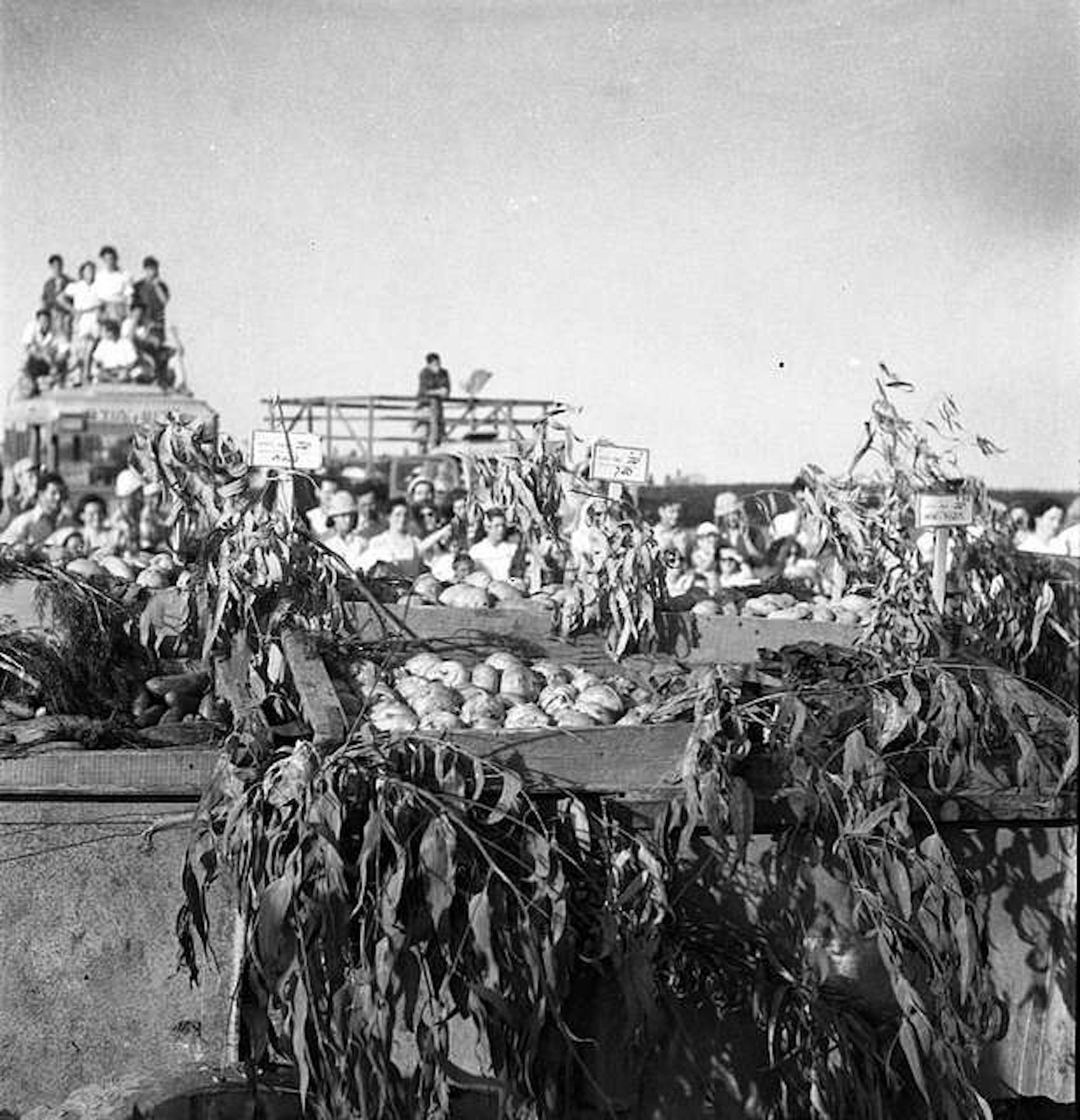
Many of the Zionist innovations were truly impressive. The ancient Hebrew of the Bible was used to create a completely modern literature and was later turned into a spoken language. The socialist leanings of early Zionists led them to experiment with new communal forms, such as the kibbutz . The old Jewish festival calendar was creatively updated in the spirit of modern nationalism.
Zionists also created new artistic sensibilities in visual art and in music. They tapped into rich and diverse Jewish cultural traditions that spanned geographic regions.

Legal Disclaimer:
MENAFN provides the
information “as is” without warranty of any kind. We do not accept
any responsibility or liability for the accuracy, content, images,
videos, licenses, completeness, legality, or reliability of the information
contained in this article. If you have any complaints or copyright
issues related to this article, kindly contact the provider above.
Most popular stories
Market Research

More Story







Comments
No comment