




403
Sorry!!
Error! We're sorry, but the page you were looking for doesn't exist.
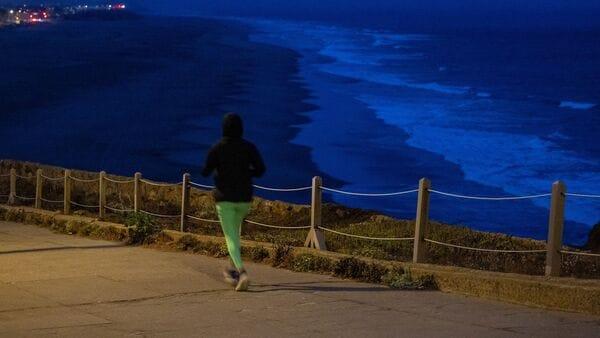
Earthquake Tsunami Warning: Alaska, Hawaii, California, Japan Impacted - 10 Developments After Russia Quake
(MENAFN- Live Mint) A powerful earthquake, initially reported at magnitude 8.0 and later upgraded to 8.8, struck off Russia's sparsely populated Far East early on Wednesday (8:25 AM Japan time). The quake, centered approximately 119-120 kilometers (74-75 miles) east-southeast of Petropavlovsk-Kamchatsky on the Kamchatka Peninsula, occurred at a shallow depth of 19.3 to 21 kilometers (12-13 miles). This event marks the strongest worldwide since 2011 and the most powerful in Russia since 1952, according to the US Geological Survey. Multiple aftershocks, some as strong as magnitude 6.9, followed the main tremor.
Here is a 10-point report on the earthquake off Russia's Kamchatka Peninsula and the subsequent tsunami events: Powerful earthquake: An 8.8-magnitude earthquake , one of the strongest ever recorded globally and the most powerful in Russia since 1952, struck at a depth of approximately 21 kilometers (13 miles) off Russia's Kamchatka Peninsula. Its epicenter was about 119 kilometers (74 miles) east-southeast of Petropavlovsk-Kamchatsky.
Here is a 10-point report on the earthquake off Russia's Kamchatka Peninsula and the subsequent tsunami events: Powerful earthquake: An 8.8-magnitude earthquake , one of the strongest ever recorded globally and the most powerful in Russia since 1952, struck at a depth of approximately 21 kilometers (13 miles) off Russia's Kamchatka Peninsula. Its epicenter was about 119 kilometers (74 miles) east-southeast of Petropavlovsk-Kamchatsky.
2. Tsunami alerts: The massive quake triggered immediate tsunami alerts across the Pacific, impacting regions from Japan , to the US West Coast , Canada, and New Zealand.
3. Aftershocks: The main earthquake was followed by multiple strong aftershocks, some as powerful as 6.9 magnitude, maintaining a risk of further tsunamis, particularly in Avacha Bay.
Follow tsunami warning LIVE updates here4. Recorded tsunami heights: Tsunami waves reached significant heights, including 3-4 meters (10-13 feet) in Kamchatka, 60 centimeters (2 feet) on Japan's Hokkaido island, up to 1.4 feet (under 30 centimeters) in Alaska's Aleutian Islands, and 2-5 feet in San Francisco. Hawaii observed water receding by 20-30 feet at Haleiwa Harbor.
5. Evacuations and disruption: Millions of people in coastal areas were initially advised to evacuate or seek high ground. Residents fled inland in Kamchatka, and traffic jammed streets in Honolulu. Japan saw nearly 2 million under evacuation advisories, with transportation disruptions including suspended ferries and delayed trains.
6. Warnings downgraded/canceled: As the immediate danger lessened, authorities in Hawaii, Japan, and parts of Russia downgraded or canceled their tsunami warnings and advisories, allowing many evacuees to return home. However, cautions about strong currents and lingering waves remained.
7. Limited injuries and damage in Russia: Russian authorities reported several minor injuries, primarily from people rushing to evacuate buildings, but all were in stable condition. Damage included a local kindergarten under renovation in Petropavlovsk-Kamchatsky and power cuts in Severo-Kurilsk, though no major structural damage was widely reported.
8. Japan's nuclear plants unaffected: Despite the 2011 Fukushima disaster memories, Japan's nuclear power plants reported no abnormalities in operations. Workers at the Fukushima Daiichi plant took shelter on higher ground as a precautionary measure.
9. Persistent tsunami activity: Officials emphasized that a tsunami is not a single wave but a series of powerful waves that can last for hours or even more than a day, urging continued caution and avoidance of coastlines even after initial surges.
10. Geological significance: The earthquake occurred along the Pacific Ring of Fire , a seismically active zone where most of the world's earthquakes occur, making such powerful events a recurring, albeit rare, phenomenon.
Also Read | Is there a Tsunami alert in India? What INCOIS says after Kamchatka earthquake
Legal Disclaimer:
MENAFN provides the
information “as is” without warranty of any kind. We do not accept
any responsibility or liability for the accuracy, content, images,
videos, licenses, completeness, legality, or reliability of the information
contained in this article. If you have any complaints or copyright
issues related to this article, kindly contact the provider above.
Most popular stories
Market Research

More Story






Comments
No comment