





403
Sorry!!
Error! We're sorry, but the page you were looking for doesn't exist.

Sizzling Kashmir
(MENAFN- Kashmir Observer)
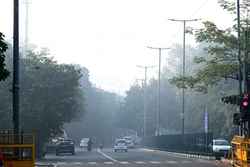
Representational Photo
Representational Photo
For two days in a row, Srinagar has smashed temperature records that should concern every policymaker and citizen alike. On Friday, the mercury soared to 35.5°C, the highest June temperature the city has seen since June 2005, and among the highest in nearly four decades. For a place celebrated for its moderate weather, this heatwave is yet another stark reminder that the impact of climate change on Kashmir is here to stay.
The soaring temperatures have consequences for crops. It could lead to their premature ripening, disrupting their development cycle and adversely affecting both their quality and quantity. Apple growers are particularly concerned, as the excessive heat can hinder color and size development of the fruit, impacting the market value of their produce.
But all of this is under threat. Meteorological data indicates that average temperatures have been creeping upward over the past decade, with unseasonal hot spells becoming more frequent. What is truly worrying is how ill-prepared we remain to deal with extreme heat in a region where homes, workplaces, and public infrastructure were designed for cold, not for sweltering summer afternoons.
Most critically, Kashmir needs a climate resilience strategy that goes beyond seasonal firefighting. Our glaciers are shrinking, forests are thinning, and urban sprawl is gobbling up the green cover that once buffered the heat. Unless these larger issues are addressed through better urban planning, aggressive afforestation, and cleaner energy policies, record-breaking temperatures may become the norm rather than the exception.
When Srinagar feels like Delhi in June, it is time to stop calling this an anomaly. It is the new reality, and ignoring it will cost us far more than a few uncomfortable afternoons.
Read Also Srinagar Breaks Temp Record For 2nd Straight Day School Timings Changed In Kashmir Amid HeatwaveThis is not just weather; it is a warning. Let us act before Kashmir's famed cool breeze becomes a story we tell our grandchildren.
However, such disturbing changes aren't specific to Kashmir only. This is becoming a worldwide phenomenon. There is thus an urgent need for the world to come together and take remedial measures to pre-empt the catastrophe. But it may take decades before the world is able to sufficiently reign in the factors which are contributing to the disruption in the climate. And the places like Kashmir which have little hand in climate change are bearing the brunt of it. As continuing heatwaves show, the world needs to quickly get its act together before it is too late.

Legal Disclaimer:
MENAFN provides the
information “as is” without warranty of any kind. We do not accept
any responsibility or liability for the accuracy, content, images,
videos, licenses, completeness, legality, or reliability of the information
contained in this article. If you have any complaints or copyright
issues related to this article, kindly contact the provider above.
Most popular stories
Market Research

More Story






Comments
No comment