




403
Sorry!!
Error! We're sorry, but the page you were looking for doesn't exist.
The Kashmir I Grew Up In Isn't On Instagram
(MENAFN- Kashmir Observer)
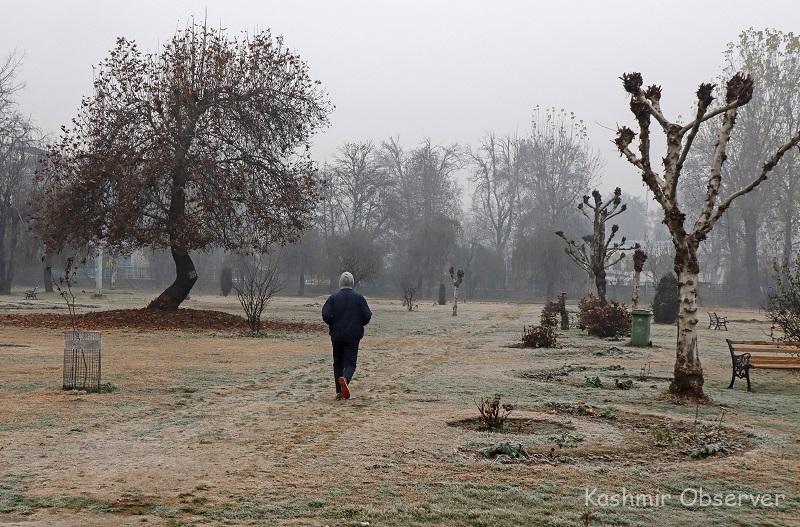
KO Photo By Abid Bhat
KO Photo By Abid Bhat
By Nasir Roshan Khan
I love Kashmir the way you love your childhood home. It's beautiful and familiar and messy, all at once.
I grew up here, in a village where the walnut trees know your name and the neighbours still knock on your door without calling first. People often call it Paradise on Earth, and I get why. The mountains, the lakes, and the scent of kehwa on a cold morning are all real.
But paradise isn't perfect.
Over the years, I've started noticing little things that don't sit right. Habits. Behaviors. Things we've normalized. Sometimes I wonder: why don't we talk about them? Why do we keep pretending they're not hurting anyone?
Read Also Paras Hospital in Hot Water After Framing Former Doctor First parcel train carrying 24 tonnes of cherries leave J-K for MumbaiLet me start with something close to home: parents.
Kashmiri parents love deeply. They sacrifice a lot. But sometimes, they don't know when to stop. They'll pick your stream in Class 11. They'll choose your college, your career, sometimes even your partner.
I've seen friends break down because they couldn't study what they actually liked.“I wanted to study art,” my friend Firdous once told me.“But my father said only doctors have a future here.” He dropped out in his second year of medical school.
Why does our love for our children translate into total control?
Another thing I've noticed is how quickly we pick up things from the West. Music, slang, clothes, even attitudes.
I'm not against learning from the world. I listen to Taylor Swift and wear sneakers too. But I also miss the smell of fresh tchotchwor and the sound of Rouf during weddings.
Some of my cousins can't even speak Kashmiri properly.“Why should I?” one of them said.“It's not cool.” That stung.
What's wrong with holding on to our culture while still engaging with the rest of the world?
Then there's social media. God, where do I begin? It's become the new timepass. And it's not just the young.
Aunties and uncles are forwarding the weirdest WhatsApp messages. I once heard two men in a bus talk for half an hour about a viral video where a man claimed you could grow hair using onion juice.“It's been blessed by saints,” one of them said.
I wanted to laugh, but I also felt sad. We spend hours scrolling through pointless reels while our real lives just wait in the background.
Winters are harsh in Kashmir. Snow traps us indoors, and the world slows down. But instead of using that time to reconnect with family or reflect, many people gather in hammams and shops to gossip.
I've heard stories twisted out of shape in minutes.“Did you see what she wore to the funeral?”“His son doesn't even call him anymore.”
These whispers burn through villages like fire. I once saw an uncle stop talking to his brother because of something he heard second-hand.
What happened to giving people the benefit of the doubt?
We also judge too quickly. By looks, money, skin tone, caste. I've seen girls rejected for being“too dark” or“too simple.” Boys dismissed because their father doesn't have a government job. None of it makes sense, but it's real. And it hurts.
Lying has become casual, almost like a skill. In buses, in shops, even at weddings, you'll hear someone lie just to sound impressive.“I've been to Delhi five times,” a man once said loudly behind me. I knew for a fact he hadn't been beyond Anantnag. But everyone nodded anyway.
And don't get me started on superstitions. My cousin was told not to sweep the floor after sunset because it would drive away wealth.“It's just what our elders said,” her mother told her.
We believe these things not because they make sense, but because they've always been said. That's not tradition, it's just fear dressed up as culture.
I also see how often we look for flaws in others. A girl starts a business, and someone says,“It won't last.” A boy buys a bike, and people whisper,“Stolen money, maybe.”
We seem uncomfortable with others doing well. Jealousy hides behind smiles, especially in villages. You hear,“We're so happy for you,” but their eyes say otherwise.
And when someone dies, especially a man, you'll often see women mourning loudly, hitting themselves, tearing at their clothes. I understand grief. I've felt it. But this display doesn't help the pain.
Islam asks us to stay calm, to pray, to be patient. But in our villages, the louder you cry, the more love you supposedly had. It feels like a performance.
Writing this isn't easy. I don't think I'm better than anyone. I have my flaws too. But we can't keep calling Kashmir paradise while ignoring the problems that live quietly inside it. Talking about them doesn't mean we love this place any less. If anything, it means we care enough to want better.
I once asked my grandmother why people gossip so much. She looked at me and said,“Because they're bored and scared. When your own life feels empty, you look into someone else's.” That made sense.
So maybe the real question is: what are we afraid of?
-
The author is an English (Hons) student at Ramjas College, University of Delhi.

Legal Disclaimer:
MENAFN provides the
information “as is” without warranty of any kind. We do not accept
any responsibility or liability for the accuracy, content, images,
videos, licenses, completeness, legality, or reliability of the information
contained in this article. If you have any complaints or copyright
issues related to this article, kindly contact the provider above.
Most popular stories
Market Research

More Story





Comments
No comment