









403
Sorry!!
Error! We're sorry, but the page you were looking for doesn't exist.

US Marine Sergeant's Final Farewell To American Mias In Cambodia
(MENAFN- Asia Times)
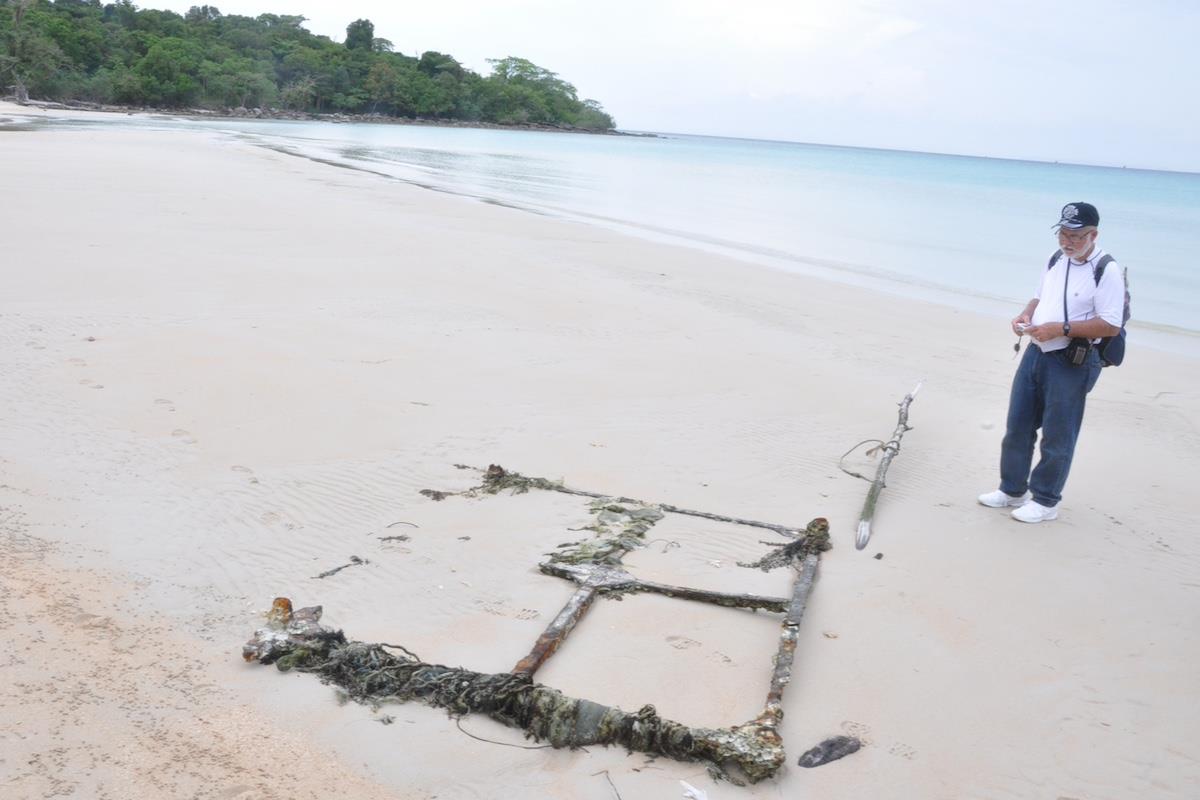
KOH TANG, Cambodia – US Marine Corps Staff Sergeant Clark Hale (Ret.) has agonized about the fate of three men in his platoon for 50 long years.

US Marines Private First Class Danny Marshall, Lance Corporal Joseph Hargrove and Private First Class Gary Hall were inadvertently left behind on Koh Tang in what has been called“The Last Battle of the Vietnam War.”
Ironically, that battle took place in Cambodia, on a remote, uninhabited island of marginal significance. But Hale has thought about his soldiers almost every day since May 15, 1975, which has brought him back to Cambodia five times in the last 30 years, longing for some kind of closure he now admits will probably never happen.
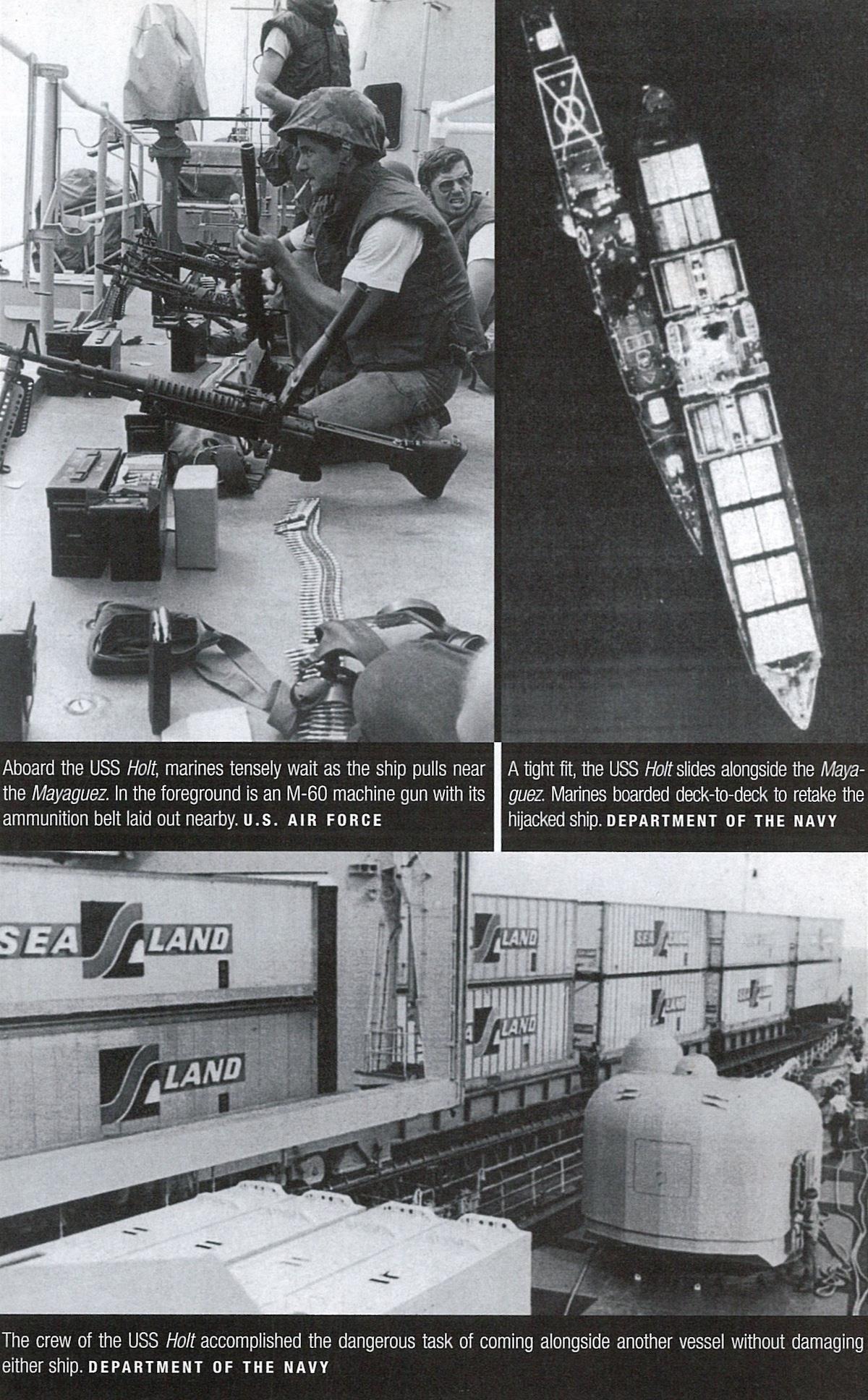
The Khmer Rouge captured Phnom Penh on April 17, 1975; Saigon fell to the North Vietnamese on April 30. In theory, the war was then over. But on May 12, the Khmer Rouge navy seized a US-registered container ship, the SS Mayaguez, headed from Hong Kong to Sattahip, Thailand.
There are debates to this day as to whether the ship was in Cambodian or international waters. The ship was first taken to Cambodia's Paulo Wai Island, where it anchored overnight, then moved to Koh Tang about 160 kilometers north.
Unbeknownst to the Americans, the crew was taken off the boat and moved to Rong Samlem island, closer to the mainland.
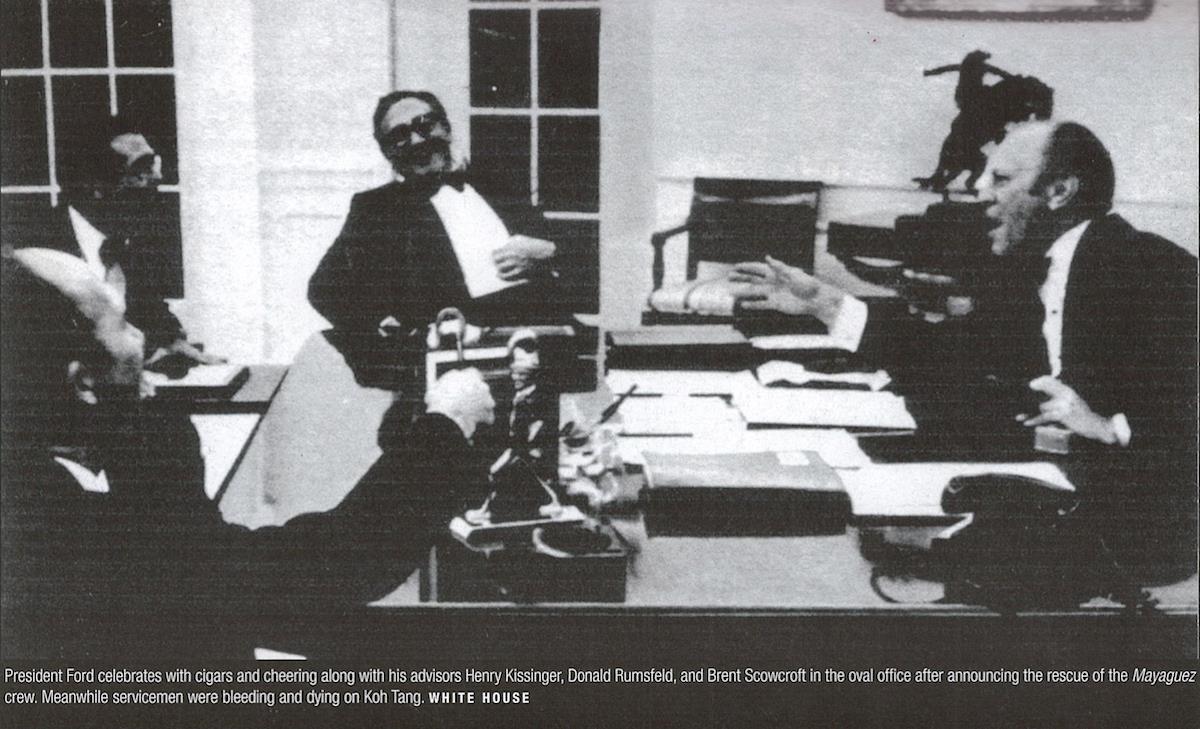
Believing the crew was still on Koh Tang, US President Gerald Ford ordered an invasion of the island. US intelligence indicated it was thinly defended, with maybe“20 to 30 irregulars.” The intel was wrong.
When US Marines hit two beaches on the morning of May 15, they were met with well-placed weapons and between 100 and 200 Khmer Rouge soldiers dug in behind the shoreline.
The hail of gunfire was horrendous. Three US helicopters were shot down just off shore, and Marines on the beaches were under heavy AK-47, .30- and .50-caliber machine guns, and RPG fire.
Later in the day, Clark Hale and his Marines landed on the East Beach. He laments the fact that he and his platoon, based in Okinawa, had had almost no time to train together. He said he couldn't even name the soldiers in his unit.
Even worse, when they landed on the island, his unit only had one radio. Hale, a two-tour veteran of action in Vietnam in the 1960s, said that when platoons went into the field, they always had four radios.
On Koh Tang, he couldn't communicate with his men spread along the beach, only with ships or aircraft offshore – in part a recipe for the disaster to follow.
“There was no communication-we had one radio per platoon. For a company commander to put a platoon in a combat situation (with one radio) was unheard of,” he laments.
One of the most painful aspects of the whole operation was that when the Khmer Rouge realized how serious the US was about recovering the ship and its crew, especially as the US started bombing sites on the mainland, they agreed to release the sailors. They were picked up by the USS Wilson at around 10 am that morning.
With mixed communications between the White House and various military services involved, more Marines were sent to Koh Tang two hours later, at around noon.
When the Marines were pulled off the beach eight hours later that day, the situation was chaotic as soldiers, still under fire with some badly wounded, scrambled in the dark, sloshing through the sea to get on helicopters hovering offshore.
There was no easy way to ensure that everyone had made it off the island. Hale and some of his men were flown to the USS Coral Sea. Others were taken to different ships.
“We were spread out on three ships,” says Hale.“I started doing a head count; after an hour, I thought we were missing three men.”
But he wasn't sure where they were.“If I'd known they were (on the island), we maybe could have gotten them out...we just don't leave men behind.”
When Hale got back to Okinawa, he was told,“not to talk about it.” That is: the possibility soldiers were left alive on the island.
Of the roughly 220 Marines who landed on Koh Tang in several waves and related helicopter crews carrying them, after a daylong struggle, 18 Americans were dead and another 50 wounded.

Legal Disclaimer:
MENAFN provides the
information “as is” without warranty of any kind. We do not accept
any responsibility or liability for the accuracy, content, images,
videos, licenses, completeness, legality, or reliability of the information
contained in this article. If you have any complaints or copyright
issues related to this article, kindly contact the provider above.
Most popular stories
Market Research

More Story






Comments
No comment