







403
Sorry!!
Error! We're sorry, but the page you were looking for doesn't exist.
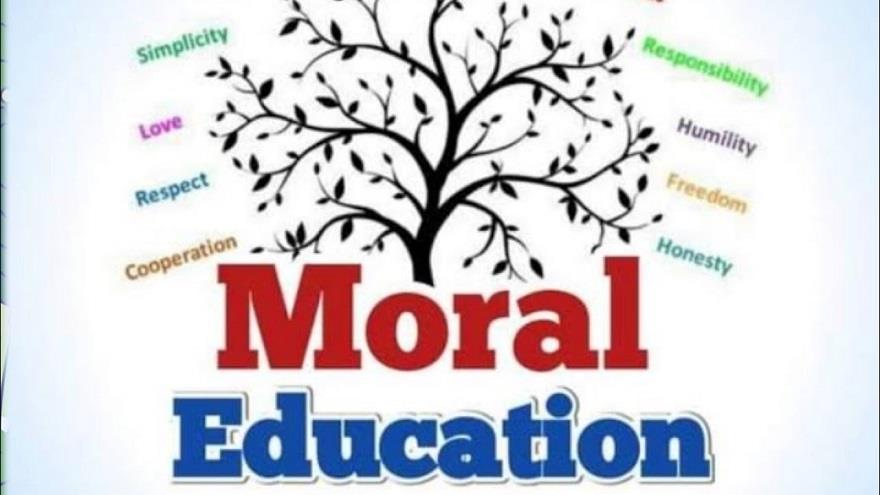
Is Kashmir Facing A Moral Education Crisis?
(MENAFN- Kashmir Observer)
Representational Photo
Representational Photo
By Faizan Mushtaq
Arif was the kind of student teachers liked to mention in staffrooms. Neat notebook margins, good grades, no disciplinary issues. His parents, both government employees, often said he would“go far” one day. And he did-straight into a bribery scandal in the municipal office where he landed his first job.
He was twenty-three when they caught him. Not for anything clever or complicated, just a routine file delayed for money. The story didn't make it to headlines, but the neighborhood WhatsApp groups buzzed for days. When asked why he did it, Arif answered calmly:“Everyone does it. It's how things work.”
This wasn't a story of poverty or desperation. Arif came from a stable home, went to a decent school, and had a shelf full of academic certificates. But something essential had been missing.
Across Kashmir, children are growing up with lessons in science and coding, business studies and English grammar. But few are learning the quiet discipline of right and wrong, the unspoken rule that what you do when no one is watching matters more than a test score.
Read Also The Death Of Dignity In KashmirA generation ago, moral education wasn't a classroom subject; it was absorbed. Through Friday sermons, grandmother's parables, stories told on kangri-warmed evenings. Those were lessons wrapped in folklore and faith.
Today, those voices have quieted. Moral instruction, if it exists, is outsourced to textbooks so dry no child remembers the content five minutes after the bell rings.
It shows. In the rising impatience on roads, in the loudness of arguments at bank counters, in the way boys jostle through queues without apology. The most telling sign is the fading shame. Once, being caught cheating in school brought public embarrassment; now it brings a shrug.
A principal in Baramulla admitted they stopped suspending students for exam malpractice because it didn't“make a difference.” The same boy would return the next week, unbothered.
Social scientists like Thomas Lickona and Michael Fullan have long argued that moral education doesn't just belong in school; it must involve parents and communities. But in Kashmir, families are frayed, schools under strain, and the sense of shared responsibility is thinning. Everyone's too busy coping.
There are exceptions. A teacher in Anantnag started a weekly storytelling circle for her class, sharing real-life accounts of people who stood for something: a bus conductor who returned a lost wallet, a nurse who treated patients in the pandemic without complaint. She says the children listened differently to these stories. Some even told their own.
But these are isolated sparks in a darkening room.
Moral education isn't about creating saints. It's about giving young people a compass before they step into a world full of noise and shortcuts. It's about making sure that when they have to choose between right and easy, they at least pause.
Arif didn't pause. He made a choice that came easy to him. Not because he was evil or broken, but because the idea of integrity had never been rooted deeply enough to resist the current. His education had prepared him to succeed, but not to stand alone.
And when the knock came at his door, there was no teacher left to ask why.
Faizan Mushtaq is a Kashmir-based writer, focusing on social issues and cultural shifts in the region.
Legal Disclaimer:
MENAFN provides the
information “as is” without warranty of any kind. We do not accept
any responsibility or liability for the accuracy, content, images,
videos, licenses, completeness, legality, or reliability of the information
contained in this article. If you have any complaints or copyright
issues related to this article, kindly contact the provider above.
Most popular stories
Market Research

More Story


Comments
No comment