




403
Sorry!!
Error! We're sorry, but the page you were looking for doesn't exist.
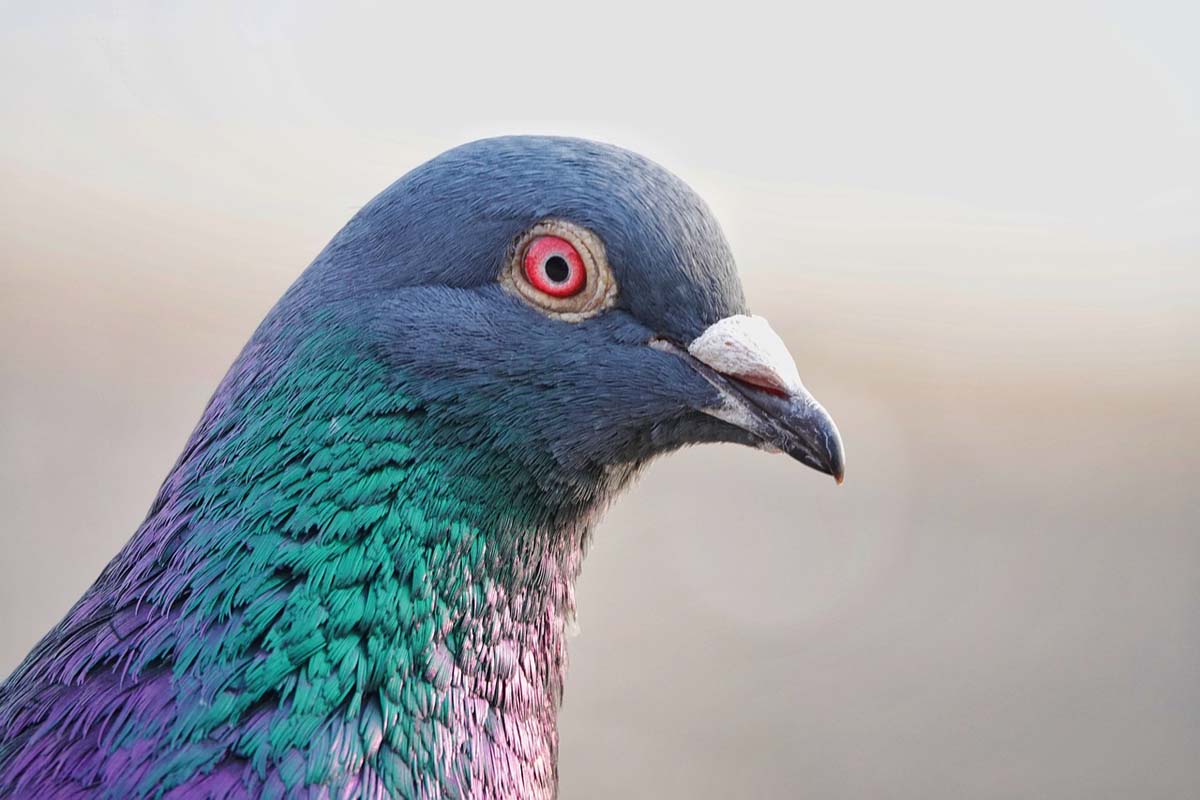
Study indicates castoff plastic ignites Alzheimer’s-like damage in seabirds
(MENAFN) A new study has revealed that consuming plastic waste leads to brain damage in seabirds, resembling the effects of Alzheimer’s disease. The findings highlight the growing environmental and health risks associated with plastic pollution, which has surged in recent decades.
Plastic production has risen dramatically over the past 70 years, generating approximately 360 million metric tons of waste annually. Scientists and environmental activists have raised concerns over the issue, with projections suggesting plastic waste levels could double by 2040.
Research published in Science Advances on Wednesday examined the impact of plastic ingestion on migratory seabirds, specifically young sable shearwaters. Conducted by the University of Tasmania, the study found that chicks mistakenly fed plastic by their parents suffered hidden health damage, including stomach lining decay, cell rupture, and neurodegeneration.
The study focused on birds from Lord Howe Island, Australia, which migrate to Japan after spending around 90 days in burrows. Despite appearing outwardly healthy, blood tests revealed protein patterns similar to those seen in Alzheimer’s and Parkinson’s patients, according to lead researcher Alix de Jersey from the University of Tasmania’s School of Medicine.
“It’s almost equivalent to a small child having Alzheimer’s,” de Jersey stated, explaining that while some birds can regurgitate plastic before migration, many are unable to expel the full amount due to excessive ingestion. The chicks examined in the study had their stomachs pumped, allowing them to begin their journey without plastic in their system.
Alzheimer’s disease, the most common form of dementia, leads to brain shrinkage and cognitive decline, impacting behavior and social function. The findings raise concerns about the long-term effects of plastic pollution on wildlife and ecosystems.
Plastic production has risen dramatically over the past 70 years, generating approximately 360 million metric tons of waste annually. Scientists and environmental activists have raised concerns over the issue, with projections suggesting plastic waste levels could double by 2040.
Research published in Science Advances on Wednesday examined the impact of plastic ingestion on migratory seabirds, specifically young sable shearwaters. Conducted by the University of Tasmania, the study found that chicks mistakenly fed plastic by their parents suffered hidden health damage, including stomach lining decay, cell rupture, and neurodegeneration.
The study focused on birds from Lord Howe Island, Australia, which migrate to Japan after spending around 90 days in burrows. Despite appearing outwardly healthy, blood tests revealed protein patterns similar to those seen in Alzheimer’s and Parkinson’s patients, according to lead researcher Alix de Jersey from the University of Tasmania’s School of Medicine.
“It’s almost equivalent to a small child having Alzheimer’s,” de Jersey stated, explaining that while some birds can regurgitate plastic before migration, many are unable to expel the full amount due to excessive ingestion. The chicks examined in the study had their stomachs pumped, allowing them to begin their journey without plastic in their system.
Alzheimer’s disease, the most common form of dementia, leads to brain shrinkage and cognitive decline, impacting behavior and social function. The findings raise concerns about the long-term effects of plastic pollution on wildlife and ecosystems.

Legal Disclaimer:
MENAFN provides the
information “as is” without warranty of any kind. We do not accept
any responsibility or liability for the accuracy, content, images,
videos, licenses, completeness, legality, or reliability of the information
contained in this article. If you have any complaints or copyright
issues related to this article, kindly contact the provider above.
Most popular stories
Market Research

More Story








Comments
No comment