




403
Sorry!!
Error! We're sorry, but the page you were looking for doesn't exist.
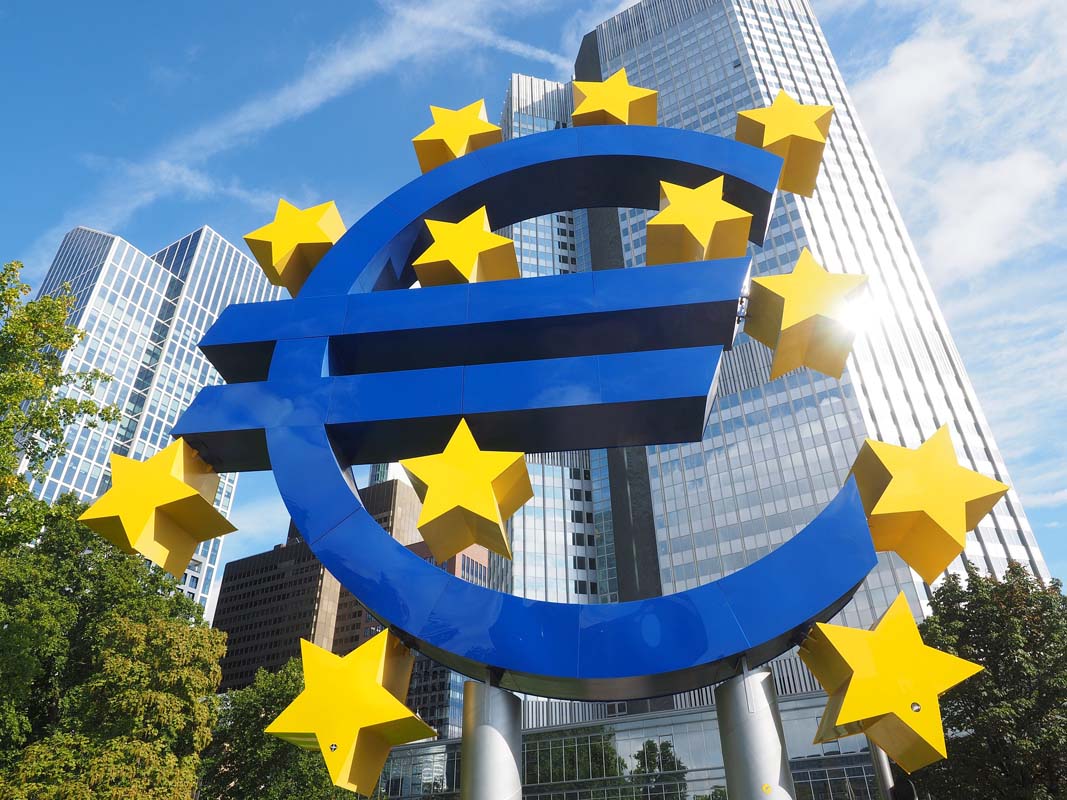
Eurozone’s GDP remains stable in Q4 2024, defying market expectations
(MENAFN) Eurostat's flash estimate, released on Thursday, revealed that the euro area's GDP remained stable in the fourth quarter of 2024, a surprising outcome considering market expectations. The stagnation marks a significant slowdown from the previous quarter, where the eurozone recorded a 0.4 percent growth compared to the third quarter. Analysts had anticipated a modest 0.1 percent increase for the October to December period, making the stagnation an unexpected development.
Across the entire European Union, GDP showed a slight increase of 0.1 percent from the previous quarter, indicating a more modest performance compared to the eurozone. Growth was uneven among member states, with some countries showing strong gains while others faced contractions. Among the nations with available data, Portugal led the pack with a 1.5 percent growth, followed by Lithuania at 0.9 percent and Spain at 0.8 percent. In contrast, economic activity shrank in Ireland, which saw a decline of 1.3 percent, as well as in Germany and France, with respective decreases of 0.2 percent and 0.1 percent.
On an annual basis, GDP in the eurozone grew by 0.9 percent in the fourth quarter, while the overall EU economy expanded by 1.1 percent. This annual growth rate demonstrates a more positive outlook for the EU compared to the stagnation in the final quarter of 2024.
The eurozone, also known as EA19, consists of the countries using the euro as their common currency, while the EU27 represents all member nations of the European Union.
Across the entire European Union, GDP showed a slight increase of 0.1 percent from the previous quarter, indicating a more modest performance compared to the eurozone. Growth was uneven among member states, with some countries showing strong gains while others faced contractions. Among the nations with available data, Portugal led the pack with a 1.5 percent growth, followed by Lithuania at 0.9 percent and Spain at 0.8 percent. In contrast, economic activity shrank in Ireland, which saw a decline of 1.3 percent, as well as in Germany and France, with respective decreases of 0.2 percent and 0.1 percent.
On an annual basis, GDP in the eurozone grew by 0.9 percent in the fourth quarter, while the overall EU economy expanded by 1.1 percent. This annual growth rate demonstrates a more positive outlook for the EU compared to the stagnation in the final quarter of 2024.
The eurozone, also known as EA19, consists of the countries using the euro as their common currency, while the EU27 represents all member nations of the European Union.

Legal Disclaimer:
MENAFN provides the
information “as is” without warranty of any kind. We do not accept
any responsibility or liability for the accuracy, content, images,
videos, licenses, completeness, legality, or reliability of the information
contained in this article. If you have any complaints or copyright
issues related to this article, kindly contact the provider above.
Most popular stories
Market Research

More Story








Comments
No comment