




403
Sorry!!
Error! We're sorry, but the page you were looking for doesn't exist.
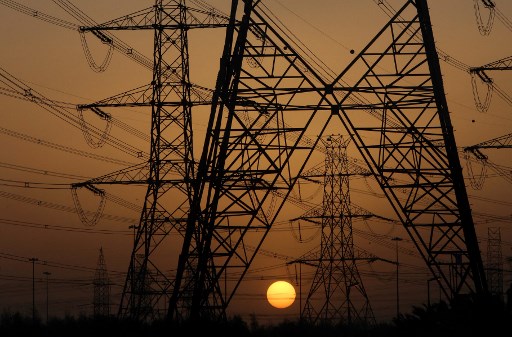
Electricity generation from solar farms in Iran increase 38 percent in 9 months
(MENAFN) Electricity generation from solar farms in Iran saw a significant increase of 38 percent during the ninth month of the Iranian calendar, Azar (November 21 – December 20), compared to the same period last year. During this month, the solar farms produced over 81 million kilowatt-hours of electricity, a notable achievement for the country's renewable energy sector. This surge in solar energy generation helped prevent the emission of approximately 56,000 tons of greenhouse gases.
Iran's energy sector is set for further growth, with plans to increase the capacity of its solar farms by 4,000 megawatts (MW) by the end of the next Iranian calendar year, which concludes on March 20, 2026. The country’s energy minister, Abbas Ali-Abadi, highlighted the extensive potential of Iran's power network, noting that the country’s generation and consumption capacity is approximately 350 billion kilowatt-hours annually. He emphasized that Iran could technically accommodate more than 30,000 megawatts of solar energy within its existing infrastructure.
To tap into this potential, the minister explained that efforts are being made to attract private sector investment by creating an appealing investment environment and a robust market. He added that substantial contracts in the solar energy sector have already been signed since the current government took office. The expansion of solar energy in Iran is expected to be a key part of the country’s energy strategy moving forward.
As part of this expansion, the current solar power capacity of 1,200 megawatts is projected to rise to between 3,000 and 4,000 megawatts by next year, marking a significant milestone. Additionally, Iran's renewable energy plants are expected to add 500 megawatts by the end of the current Iranian calendar year, March 20, 2025, according to officials from the Renewable Energy and Energy Efficiency Organization (SATBA).
Iran's energy sector is set for further growth, with plans to increase the capacity of its solar farms by 4,000 megawatts (MW) by the end of the next Iranian calendar year, which concludes on March 20, 2026. The country’s energy minister, Abbas Ali-Abadi, highlighted the extensive potential of Iran's power network, noting that the country’s generation and consumption capacity is approximately 350 billion kilowatt-hours annually. He emphasized that Iran could technically accommodate more than 30,000 megawatts of solar energy within its existing infrastructure.
To tap into this potential, the minister explained that efforts are being made to attract private sector investment by creating an appealing investment environment and a robust market. He added that substantial contracts in the solar energy sector have already been signed since the current government took office. The expansion of solar energy in Iran is expected to be a key part of the country’s energy strategy moving forward.
As part of this expansion, the current solar power capacity of 1,200 megawatts is projected to rise to between 3,000 and 4,000 megawatts by next year, marking a significant milestone. Additionally, Iran's renewable energy plants are expected to add 500 megawatts by the end of the current Iranian calendar year, March 20, 2025, according to officials from the Renewable Energy and Energy Efficiency Organization (SATBA).

Legal Disclaimer:
MENAFN provides the
information “as is” without warranty of any kind. We do not accept
any responsibility or liability for the accuracy, content, images,
videos, licenses, completeness, legality, or reliability of the information
contained in this article. If you have any complaints or copyright
issues related to this article, kindly contact the provider above.
Most popular stories
Market Research

More Story






Comments
No comment