




403
Sorry!!
Error! We're sorry, but the page you were looking for doesn't exist.
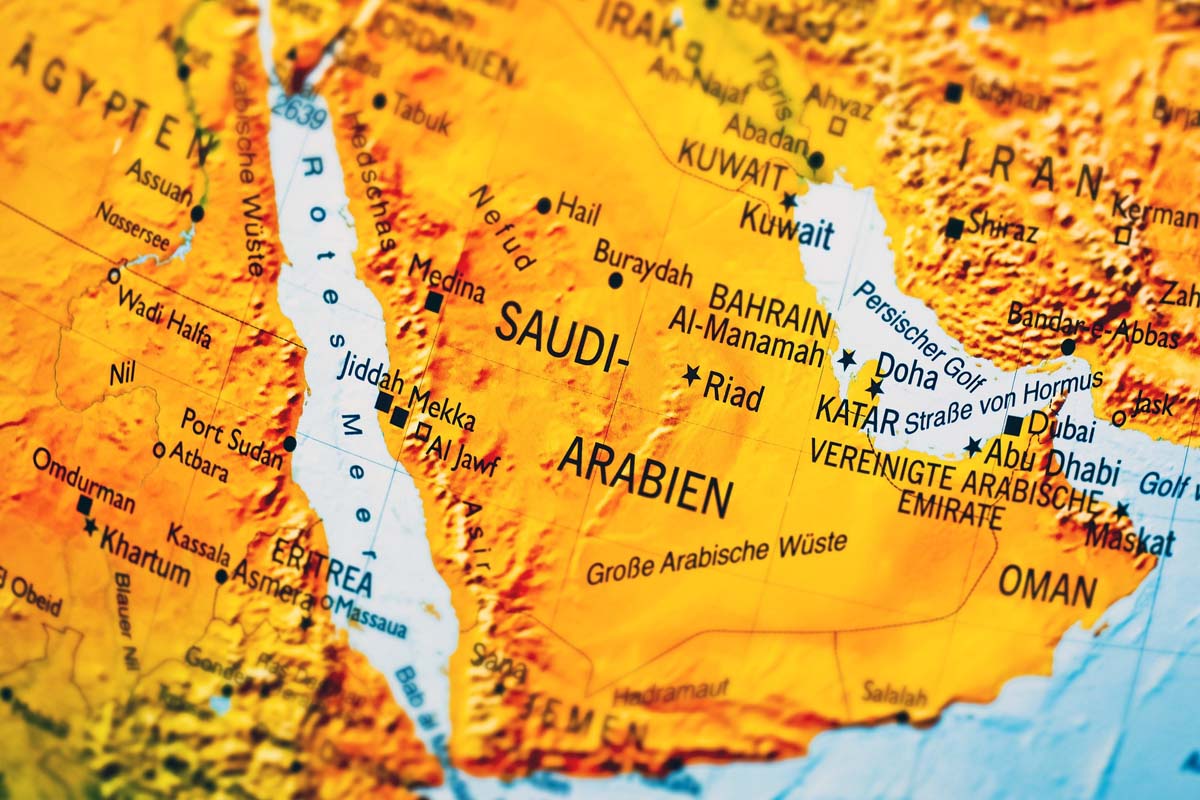
Conflict in Middle East altering balance of power on global scale
(MENAFN) The ongoing conflict in the Middle East is not only reshaping regional dynamics but also altering the balance of power on a global scale. The stakes are high, with key geopolitical interests at play involving major players like Iran, Israel, Saudi Arabia, Turkey, the United States, and Russia. This complex web of relationships is prompting shifts in diplomatic strategies and military alliances across the region.
A recent development has drawn attention to potential fractures within the so-called "axis of resistance" against Israel, particularly following comments made by Lebanese Prime Minister Najib Mikati. In a surprising departure from Lebanon’s usual diplomatic tone, Mikati issued a strong condemnation of Iran, accusing it of “blatant interference” in the internal affairs of Lebanon. This criticism was prompted by statements from Iranian parliamentary speaker Mohammad Bagher Ghalibaf, who suggested engaging in discussions about UN Resolution 1701—a resolution that governs the security situation in southern Lebanon following the conflict between Hezbollah and Israel.
Ghalibaf's remarks indicated a willingness to involve France as a mediator in discussions about the resolution's implementation. For Mikati, this suggestion was seen as an attempt to impose external control over Lebanon, igniting significant backlash within the country. The Prime Minister emphasized that any matters regarding the implementation of international resolutions should be addressed solely by Lebanese authorities, firmly rejecting any form of external intervention.
Mikati's stance highlights a growing sentiment among Lebanese political factions that prioritize national sovereignty. He reiterated Lebanon's readiness to collaborate with international partners like France, but insisted that all negotiations must be initiated from a position of sovereignty. This incident underscores the complexities and tensions within the axis of resistance, raising questions about its unity and future in the face of external pressures and internal dissent.
As the regional landscape continues to evolve, the implications of Mikati's remarks may signal a significant turning point in how Lebanon interacts with its allies and adversaries, potentially altering the dynamics of the resistance against Israel.
A recent development has drawn attention to potential fractures within the so-called "axis of resistance" against Israel, particularly following comments made by Lebanese Prime Minister Najib Mikati. In a surprising departure from Lebanon’s usual diplomatic tone, Mikati issued a strong condemnation of Iran, accusing it of “blatant interference” in the internal affairs of Lebanon. This criticism was prompted by statements from Iranian parliamentary speaker Mohammad Bagher Ghalibaf, who suggested engaging in discussions about UN Resolution 1701—a resolution that governs the security situation in southern Lebanon following the conflict between Hezbollah and Israel.
Ghalibaf's remarks indicated a willingness to involve France as a mediator in discussions about the resolution's implementation. For Mikati, this suggestion was seen as an attempt to impose external control over Lebanon, igniting significant backlash within the country. The Prime Minister emphasized that any matters regarding the implementation of international resolutions should be addressed solely by Lebanese authorities, firmly rejecting any form of external intervention.
Mikati's stance highlights a growing sentiment among Lebanese political factions that prioritize national sovereignty. He reiterated Lebanon's readiness to collaborate with international partners like France, but insisted that all negotiations must be initiated from a position of sovereignty. This incident underscores the complexities and tensions within the axis of resistance, raising questions about its unity and future in the face of external pressures and internal dissent.
As the regional landscape continues to evolve, the implications of Mikati's remarks may signal a significant turning point in how Lebanon interacts with its allies and adversaries, potentially altering the dynamics of the resistance against Israel.

Legal Disclaimer:
MENAFN provides the
information “as is” without warranty of any kind. We do not accept
any responsibility or liability for the accuracy, content, images,
videos, licenses, completeness, legality, or reliability of the information
contained in this article. If you have any complaints or copyright
issues related to this article, kindly contact the provider above.
Most popular stories
Market Research

More Story




Comments
No comment