




403
Sorry!!
Error! We're sorry, but the page you were looking for doesn't exist.
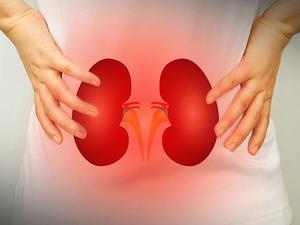
Study Explains How PFAS Exposure Worsens Kidney Function
(MENAFN- IANS) New Delhi, Oct 17 (IANS) People with increased exposure to per- and polyfluoroalkyl substances, or PFAS -- found in water, food, and people through products such as Teflon pans, waterproof clothing, stain-resistant carpets and fabrics, and food packaging -- were found to have a worse kidney function, according to a study on Thursday.
PFAS are often called“forever chemicals” because once they accumulate in the environment or the human body, they take a very long time to break down.
The researchers from the University of Southern California examined 78 participants, aged 17 to 22, and showed that PFAS causes changes in the gut microbiome which then damages kidney function.
Their results, published in the journal Science of the Total Environment, showed that changes to the gut microbiome and related metabolites due to PFAS are responsible for up to 50 per cent of the decrease in kidney function four years later.
“Our findings are an important piece of the puzzle about the many different health risks of PFAS, which can provide policymakers with information that helps them develop policies to protect the public from exposure to these chemicals,” said Jesse A. Goodrich, Assistant Professor of population and public health sciences at USC's Keck School of Medicine.
The analysis also revealed two separate groups of bacteria and metabolites whose function to lower inflammation in the body was hindered because of high PFAS exposure. They were responsible for 38 per cent of the change in kidney function, and 50 per cent of the change respectively.
The team also found a decline in anti-inflammatory metabolites, the bacteria that produce them, while inflammatory metabolites increased. This indicated inflammation and oxidative stress as a potential mechanism for a decrease in kidney function.

Legal Disclaimer:
MENAFN provides the
information “as is” without warranty of any kind. We do not accept
any responsibility or liability for the accuracy, content, images,
videos, licenses, completeness, legality, or reliability of the information
contained in this article. If you have any complaints or copyright
issues related to this article, kindly contact the provider above.
Most popular stories
Market Research

More Story








Comments
No comment