







403
Sorry!!
Error! We're sorry, but the page you were looking for doesn't exist.
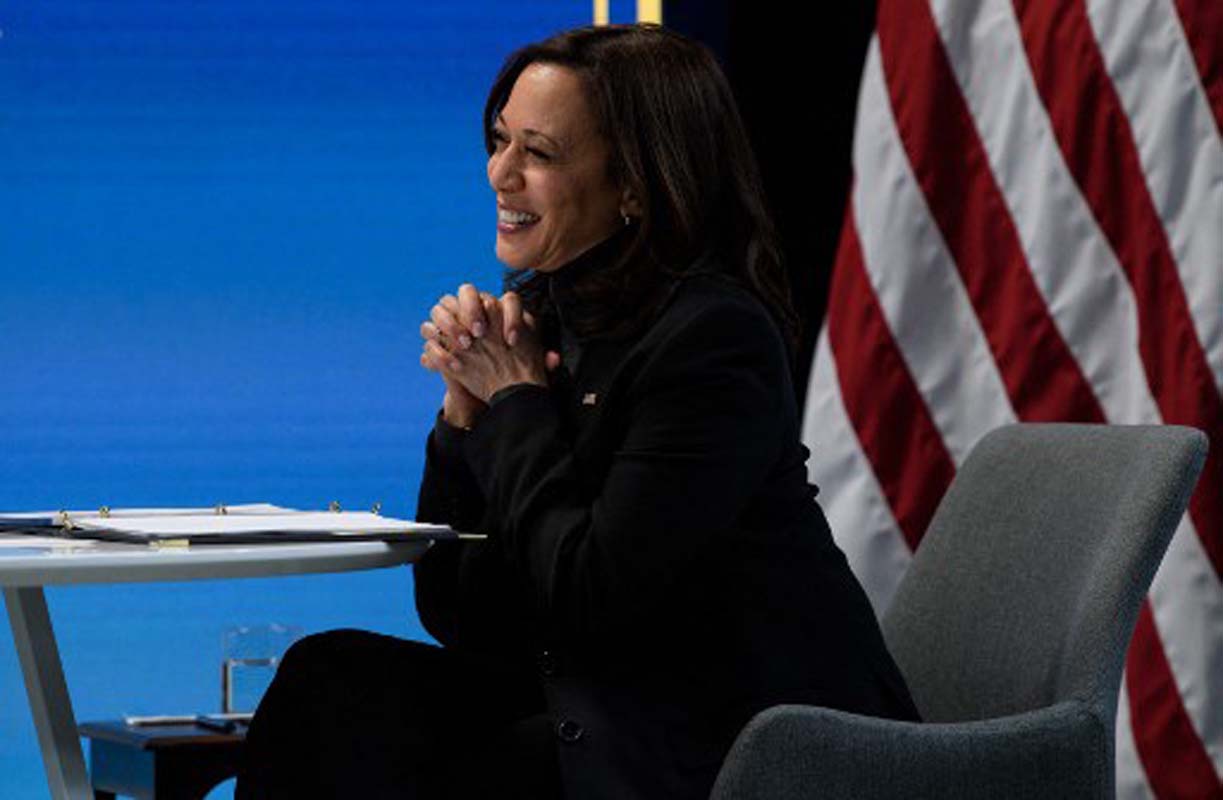
Harris articulates bond between American, Israeli peoples is significant
(MENAFN) In a recent interview segment set to air on CBS's *60 Minutes*, U.S. Vice President Kamala Harris articulated that the bond between the American and Israeli peoples is more significant than any personal connections with Israeli Prime Minister Benjamin Netanyahu. Her remarks come amid ongoing discussions regarding U.S. support for Israel, particularly in light of the recent conflicts involving groups such as Hamas and Hezbollah.
Harris emphasized that American support for Israel is rooted in fundamental principles rather than individual relationships, suggesting a commitment that transcends political leadership. She addressed recent tensions surrounding calls for a cease-fire in Lebanon, reaffirming that the U.S. stands firmly behind Israel's right to defend itself.
Despite acknowledging the disagreements that have arisen, Harris indicated that Israel has made certain concessions under U.S. diplomatic pressure, underscoring the influence the U.S. continues to wield in the region. This comes at a time when Netanyahu has reportedly expressed a preference for former President Donald Trump, Harris’s political rival, suggesting that he believes Trump would be less critical of Israel’s military actions.
During the interview, Harris highlighted the U.S.'s objectives of increasing humanitarian aid, facilitating the release of prisoners, and pursuing a cease-fire, reiterating that diplomatic efforts will persist with both Israel and other regional actors. When questioned about her relationship with Netanyahu, Harris redirected the focus to the deeper alliance between the citizens of the two nations, asserting that this connection is of greater importance.
Harris's comments reflect the pressures she faces from various factions within her party, especially among younger Democrats and those with Middle Eastern heritage. Many in this group are frustrated by what they perceive as President Joe Biden's insufficient stance on the ongoing conflict and Israel's prolonged military actions in Gaza, which have reportedly resulted in significant casualties and injuries.
As the political landscape continues to evolve, Harris's emphasis on the people-to-people connection highlights a growing discourse on how US foreign policy should navigate the complexities of international relationships, humanitarian concerns, and the longstanding Israeli-Palestinian conflict.
Harris emphasized that American support for Israel is rooted in fundamental principles rather than individual relationships, suggesting a commitment that transcends political leadership. She addressed recent tensions surrounding calls for a cease-fire in Lebanon, reaffirming that the U.S. stands firmly behind Israel's right to defend itself.
Despite acknowledging the disagreements that have arisen, Harris indicated that Israel has made certain concessions under U.S. diplomatic pressure, underscoring the influence the U.S. continues to wield in the region. This comes at a time when Netanyahu has reportedly expressed a preference for former President Donald Trump, Harris’s political rival, suggesting that he believes Trump would be less critical of Israel’s military actions.
During the interview, Harris highlighted the U.S.'s objectives of increasing humanitarian aid, facilitating the release of prisoners, and pursuing a cease-fire, reiterating that diplomatic efforts will persist with both Israel and other regional actors. When questioned about her relationship with Netanyahu, Harris redirected the focus to the deeper alliance between the citizens of the two nations, asserting that this connection is of greater importance.
Harris's comments reflect the pressures she faces from various factions within her party, especially among younger Democrats and those with Middle Eastern heritage. Many in this group are frustrated by what they perceive as President Joe Biden's insufficient stance on the ongoing conflict and Israel's prolonged military actions in Gaza, which have reportedly resulted in significant casualties and injuries.
As the political landscape continues to evolve, Harris's emphasis on the people-to-people connection highlights a growing discourse on how US foreign policy should navigate the complexities of international relationships, humanitarian concerns, and the longstanding Israeli-Palestinian conflict.

Legal Disclaimer:
MENAFN provides the
information “as is” without warranty of any kind. We do not accept
any responsibility or liability for the accuracy, content, images,
videos, licenses, completeness, legality, or reliability of the information
contained in this article. If you have any complaints or copyright
issues related to this article, kindly contact the provider above.
Most popular stories
Market Research

More Story







Comments
No comment