




403
Sorry!!
Error! We're sorry, but the page you were looking for doesn't exist.
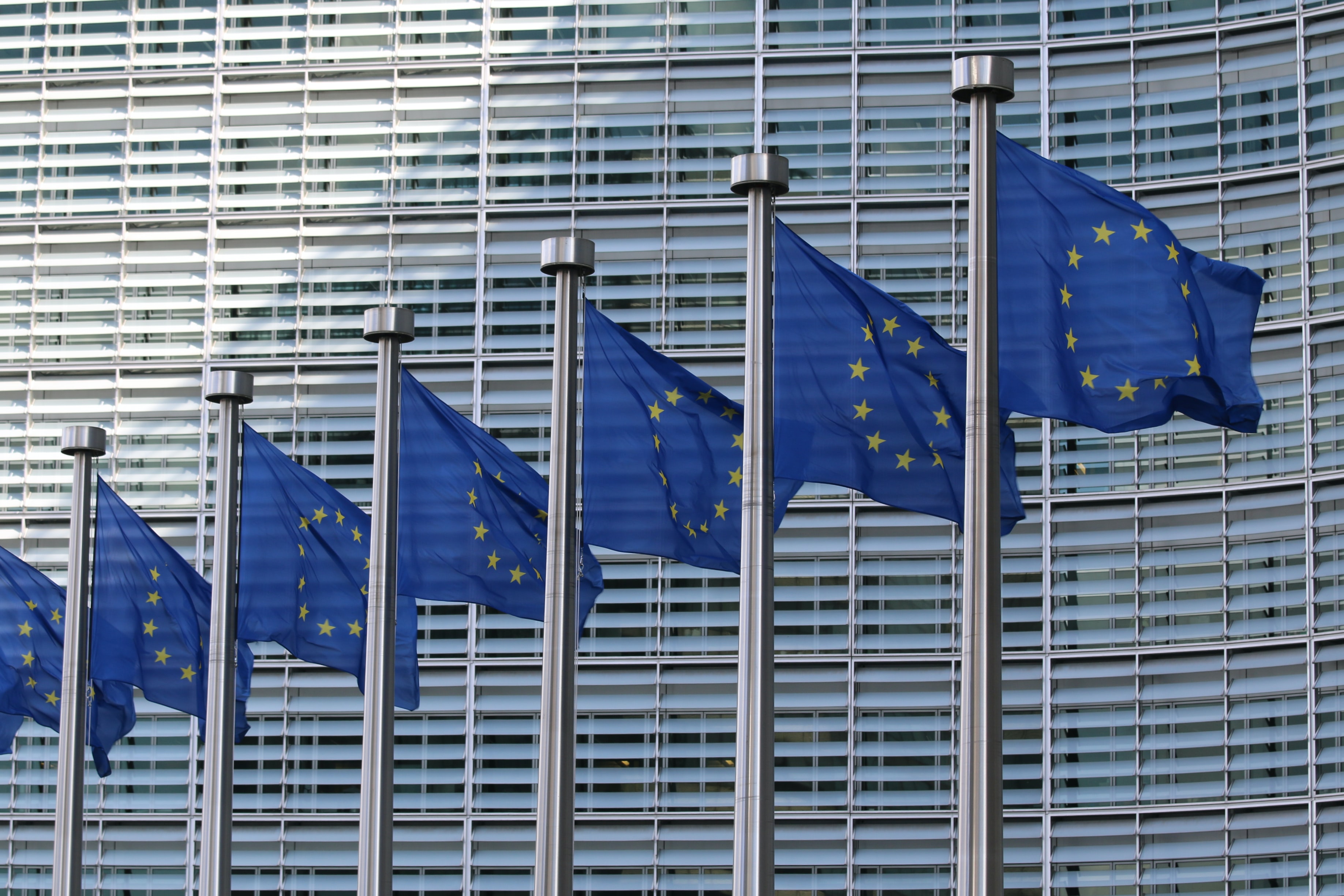
EU expresses worry over not having any influence over Israel
(MENAFN) The European Union (EU) is increasingly worried about its inability to influence the escalating conflict in the Middle East, particularly concerning Israel's potential military actions against Iran. Reports from the Financial Times, citing several European Union diplomats, highlight a growing sense of helplessness within Brussels as tensions mount following recent events.
In a significant escalation, Iran retaliated against Israel's incursions into Lebanon and the killing of key figures, including leaders from Hamas and Hezbollah, along with an Iranian general. This retaliation involved firing hundreds of missiles at Israeli targets, prompting Israel to vow a decisive response. Prime Minister Benjamin Netanyahu characterized Iran's actions as a “big mistake” and warned that Tehran “will pay for it.”
Despite calls for restraint from both U.S. and European Union officials, there are rising concerns that Washington and Brussels hold little sway over the Israeli government's decisions. One European diplomat noted that while Israel has been urged to refrain from attacking Iran’s oil and nuclear infrastructure, there is no assurance that it will heed these requests. Another senior European Union diplomat expressed frustration, stating, “It is depressing to see how little influence we have on these events,” adding that this situation injects a sense of pessimism and fatalism into discussions regarding the conflict.
The growing frustration extends to the United States as well. According to Politico, President Joe Biden is becoming increasingly exasperated by his inability to shape Israel's military strategy. Reports indicate that his conversations with Netanyahu have devolved into “shouting matches,” reflecting the deteriorating relationship between the U.S. and Israel amid these heightened tensions.
As the situation unfolds, the European Union's lack of leverage over Israel raises significant questions about its role in regional diplomacy and the broader implications for peace efforts in the Middle East. The inability to influence key players in the conflict could hinder collaborative efforts to mitigate violence and promote stability in a region already fraught with uncertainty.
In a significant escalation, Iran retaliated against Israel's incursions into Lebanon and the killing of key figures, including leaders from Hamas and Hezbollah, along with an Iranian general. This retaliation involved firing hundreds of missiles at Israeli targets, prompting Israel to vow a decisive response. Prime Minister Benjamin Netanyahu characterized Iran's actions as a “big mistake” and warned that Tehran “will pay for it.”
Despite calls for restraint from both U.S. and European Union officials, there are rising concerns that Washington and Brussels hold little sway over the Israeli government's decisions. One European diplomat noted that while Israel has been urged to refrain from attacking Iran’s oil and nuclear infrastructure, there is no assurance that it will heed these requests. Another senior European Union diplomat expressed frustration, stating, “It is depressing to see how little influence we have on these events,” adding that this situation injects a sense of pessimism and fatalism into discussions regarding the conflict.
The growing frustration extends to the United States as well. According to Politico, President Joe Biden is becoming increasingly exasperated by his inability to shape Israel's military strategy. Reports indicate that his conversations with Netanyahu have devolved into “shouting matches,” reflecting the deteriorating relationship between the U.S. and Israel amid these heightened tensions.
As the situation unfolds, the European Union's lack of leverage over Israel raises significant questions about its role in regional diplomacy and the broader implications for peace efforts in the Middle East. The inability to influence key players in the conflict could hinder collaborative efforts to mitigate violence and promote stability in a region already fraught with uncertainty.

Legal Disclaimer:
MENAFN provides the
information “as is” without warranty of any kind. We do not accept
any responsibility or liability for the accuracy, content, images,
videos, licenses, completeness, legality, or reliability of the information
contained in this article. If you have any complaints or copyright
issues related to this article, kindly contact the provider above.
Most popular stories
Market Research

More Story







Comments
No comment