




403
Sorry!!
Error! We're sorry, but the page you were looking for doesn't exist.
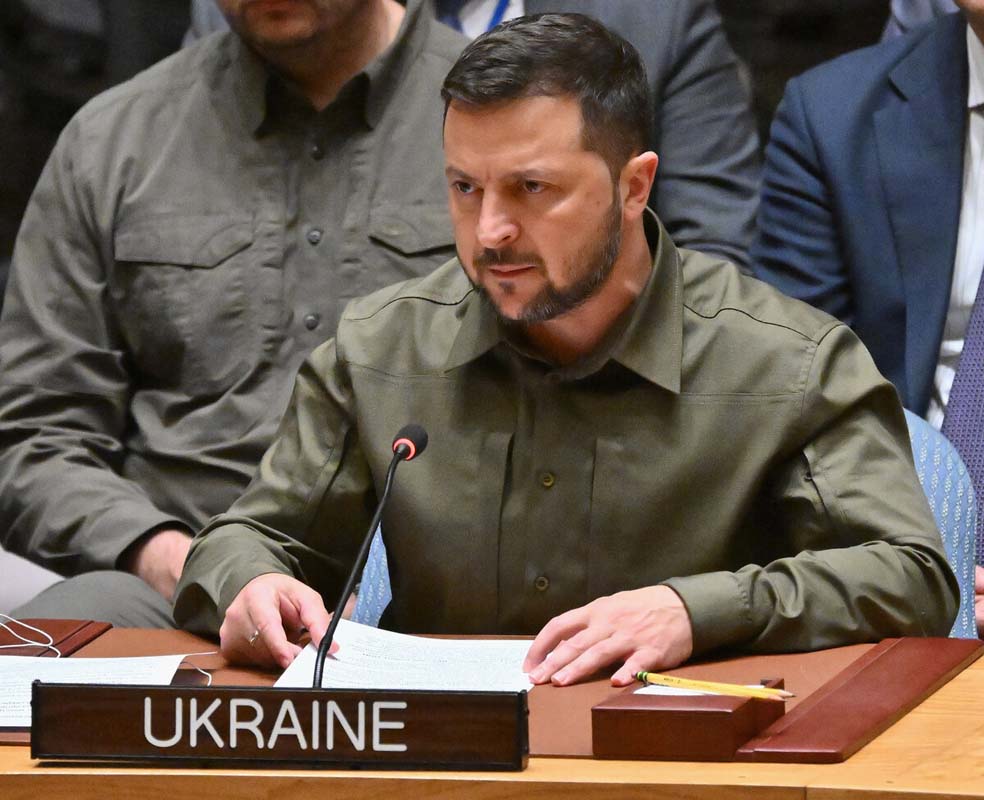
American Republicans accuse Zelensky of meddling in American electoral politics
(MENAFN) Republican leaders are accusing Ukrainian President Vladimir Zelensky of meddling in American electoral politics, particularly regarding his recent visit to an arms factory in Pennsylvania, a critical swing state for the upcoming presidential election. During this visit, organized by Democratic Governor Josh Shapiro, Zelensky toured the Scranton Army Ammunition Plant, where he and the governor signed 155mm artillery shells intended for Ukrainian forces.
The optics of this event have raised eyebrows among GOP officials, who interpret it as an endorsement of Democratic presidential candidate Kamala Harris. Missouri Senator Eric Schmitt voiced his discontent on social media, stating, "Zelensky is openly campaigning for Democrats in battleground Pennsylvania today some 50 days out from our Presidential election. Unreal."
Further fueling the controversy, Zelensky recently gave an interview to *The New Yorker*, in which he criticized former President Donald Trump and Ohio Senator J.D. Vance, both prominent figures in the Republican Party and nominees for the November elections. Pennsylvania Representative John Joyce weighed in, calling the visit a “political stunt” due to its “suspect” timing.
In response to these concerns, a coalition of nine House representatives, led by Texas Congressman Lance Gooden, has called for an investigation into Zelensky's visit. They raised questions about the logistics of his trip, which included transportation on a U.S. Air Force C-17 military aircraft and protection by the Secret Service—all funded by U.S. taxpayer dollars. In a letter addressed to Pentagon Inspector General Robert Storch, the GOP lawmakers expressed apprehension that these resources were utilized for purposes that do not align with U.S. national security or diplomatic interests, but rather to facilitate a politically significant visit ahead of a crucial election.
This unfolding situation underscores the tension between U.S. domestic politics and international relations, as Republican lawmakers seek to scrutinize the implications of foreign visits during an election cycle. The allegations not only reflect party divisions but also highlight the complexities of how international leaders navigate U.S. political landscapes.
The optics of this event have raised eyebrows among GOP officials, who interpret it as an endorsement of Democratic presidential candidate Kamala Harris. Missouri Senator Eric Schmitt voiced his discontent on social media, stating, "Zelensky is openly campaigning for Democrats in battleground Pennsylvania today some 50 days out from our Presidential election. Unreal."
Further fueling the controversy, Zelensky recently gave an interview to *The New Yorker*, in which he criticized former President Donald Trump and Ohio Senator J.D. Vance, both prominent figures in the Republican Party and nominees for the November elections. Pennsylvania Representative John Joyce weighed in, calling the visit a “political stunt” due to its “suspect” timing.
In response to these concerns, a coalition of nine House representatives, led by Texas Congressman Lance Gooden, has called for an investigation into Zelensky's visit. They raised questions about the logistics of his trip, which included transportation on a U.S. Air Force C-17 military aircraft and protection by the Secret Service—all funded by U.S. taxpayer dollars. In a letter addressed to Pentagon Inspector General Robert Storch, the GOP lawmakers expressed apprehension that these resources were utilized for purposes that do not align with U.S. national security or diplomatic interests, but rather to facilitate a politically significant visit ahead of a crucial election.
This unfolding situation underscores the tension between U.S. domestic politics and international relations, as Republican lawmakers seek to scrutinize the implications of foreign visits during an election cycle. The allegations not only reflect party divisions but also highlight the complexities of how international leaders navigate U.S. political landscapes.

Legal Disclaimer:
MENAFN provides the
information “as is” without warranty of any kind. We do not accept
any responsibility or liability for the accuracy, content, images,
videos, licenses, completeness, legality, or reliability of the information
contained in this article. If you have any complaints or copyright
issues related to this article, kindly contact the provider above.
Most popular stories
Market Research

More Story


Comments
No comment