




403
Sorry!!
Error! We're sorry, but the page you were looking for doesn't exist.
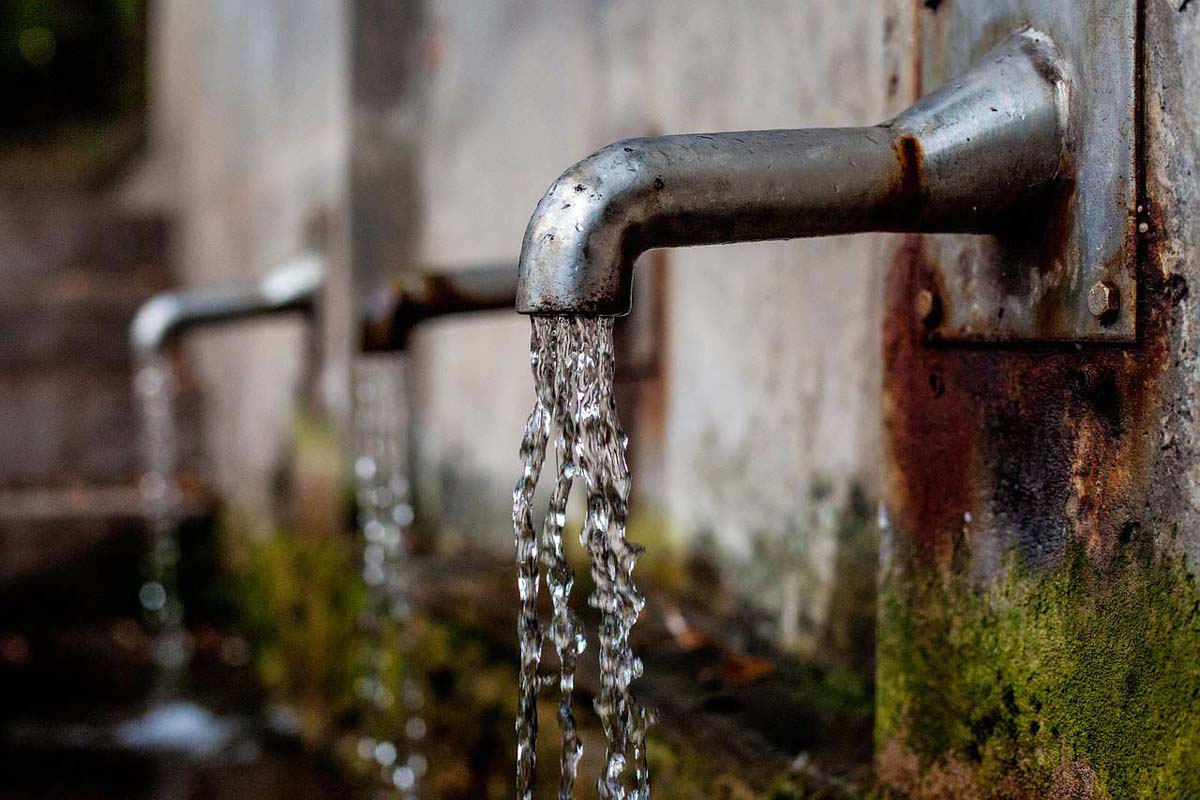
Bengaluru grapples with unprecedented water crisis
(MENAFN) Bengaluru, known as India's Silicon Valley, renowned for its thriving information technology (IT) industry and multinational corporations, is grappling with an unprecedented water crisis, prompting millions of IT professionals to either work remotely or contemplate relocating from the city altogether.
Home to a staggering 67,000 registered IT companies, including global giants like Capgemini, WalMart, IBM, and Accenture, alongside Indian powerhouses such as Infosys and TCS, Bengaluru has earned its reputation as a hub of innovation and entrepreneurship. Additionally, the city boasts a thriving startup ecosystem and serves as India's healthcare capital, boasting world-class medical facilities.
However, despite its economic prowess, Bengaluru's water woes have reached critical levels. With a population of nearly 13 million, the city typically requires around 2,500-2,600 million liters of water per day, sourced primarily from the Cauvery river and borewells. Yet, a combination of scant rainfall and rapidly depleting groundwater reserves has exacerbated the situation, pushing the city to the brink of a severe water crisis.
The consequences of this crisis are acutely felt across Bengaluru, with residents enduring long queues and hours of waiting to fill water cans, often at the expense of missed work commitments. In response, the administration has resorted to supplying water via tankers to outlying districts, while government-installed reverse osmosis (RO) plants in low-income areas have run dry, compounding the plight of vulnerable communities.
The dire situation underscores the urgent need for sustainable water management practices and long-term solutions to safeguard Bengaluru's future. As the city grapples with the dual challenges of rapid urbanization and climate change, addressing its water woes is paramount to ensuring the continued prosperity and livability of India's vibrant Silicon Valley.
Home to a staggering 67,000 registered IT companies, including global giants like Capgemini, WalMart, IBM, and Accenture, alongside Indian powerhouses such as Infosys and TCS, Bengaluru has earned its reputation as a hub of innovation and entrepreneurship. Additionally, the city boasts a thriving startup ecosystem and serves as India's healthcare capital, boasting world-class medical facilities.
However, despite its economic prowess, Bengaluru's water woes have reached critical levels. With a population of nearly 13 million, the city typically requires around 2,500-2,600 million liters of water per day, sourced primarily from the Cauvery river and borewells. Yet, a combination of scant rainfall and rapidly depleting groundwater reserves has exacerbated the situation, pushing the city to the brink of a severe water crisis.
The consequences of this crisis are acutely felt across Bengaluru, with residents enduring long queues and hours of waiting to fill water cans, often at the expense of missed work commitments. In response, the administration has resorted to supplying water via tankers to outlying districts, while government-installed reverse osmosis (RO) plants in low-income areas have run dry, compounding the plight of vulnerable communities.
The dire situation underscores the urgent need for sustainable water management practices and long-term solutions to safeguard Bengaluru's future. As the city grapples with the dual challenges of rapid urbanization and climate change, addressing its water woes is paramount to ensuring the continued prosperity and livability of India's vibrant Silicon Valley.

Legal Disclaimer:
MENAFN provides the
information “as is” without warranty of any kind. We do not accept
any responsibility or liability for the accuracy, content, images,
videos, licenses, completeness, legality, or reliability of the information
contained in this article. If you have any complaints or copyright
issues related to this article, kindly contact the provider above.
Most popular stories
Market Research

More Story







Comments
No comment