







403
Sorry!!
Error! We're sorry, but the page you were looking for doesn't exist.
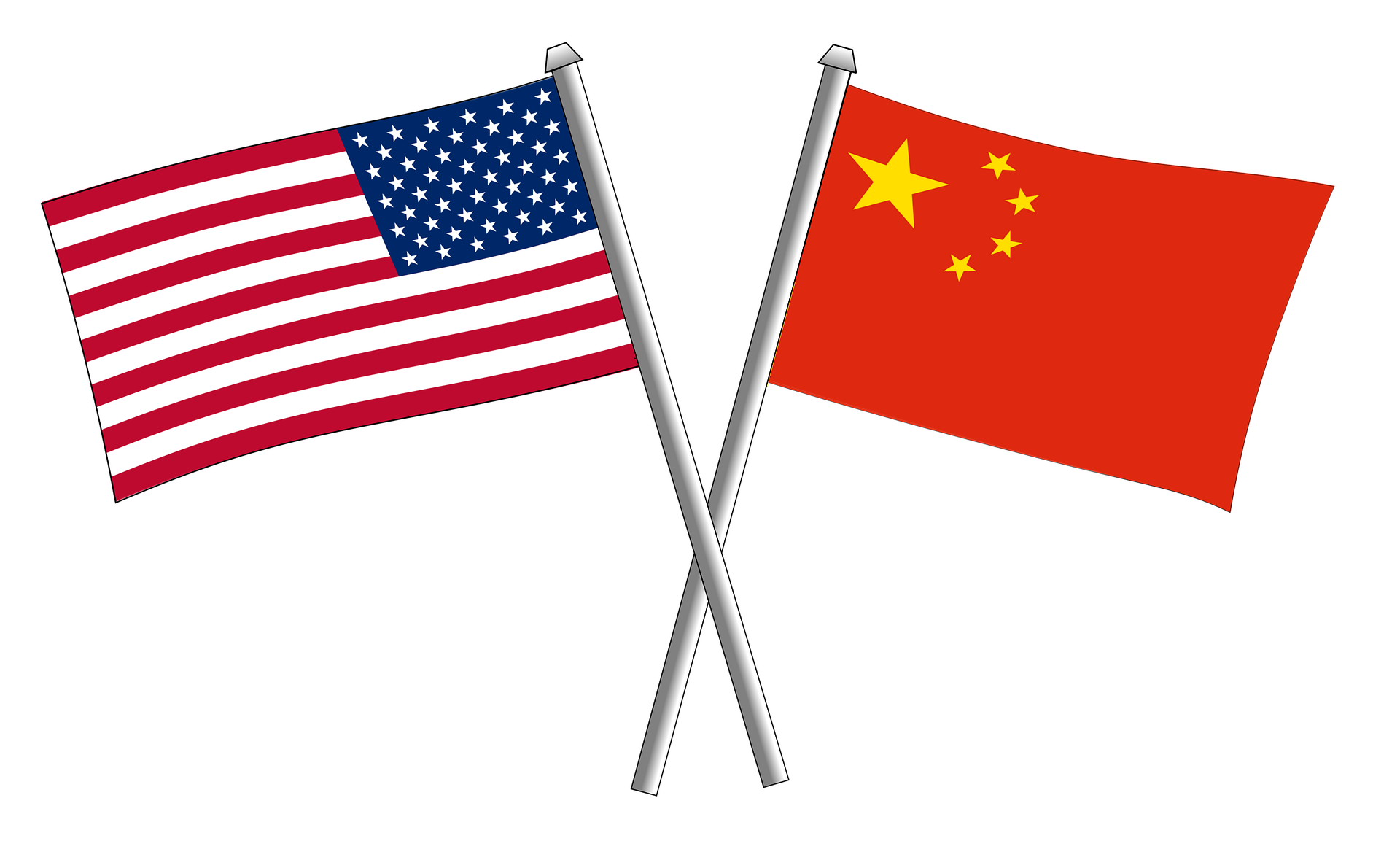
Why many nations favor China over US- Andrey Sushentsov
(MENAFN) In the contemporary landscape of international relations, China has emerged as a formidable player, not just economically but also philosophically. Andrey Sushentsov delves into the intricate dynamics that have led many countries to prefer China over the United States. At the heart of this preference lies China's status as the world's largest economy, measured in purchasing power, coupled with its proactive engagement in political affairs and a growing interest in international security issues. A pivotal moment came in 2013 when Chinese President Xi Jinping introduced the concept of a "community of shared human destiny" during a speech in Moscow. This ideology reflects China's distinctive philosophical perspective on its role in global relations, advocating peaceful and stable coexistence despite internal differences and diverse viewpoints among nations.
Sushentsov sheds light on the evolution of China's approach, transitioning from a strategy of remaining in the shadows, accumulating resources, and playing a secondary role to a bold, truly global vision. Unlike the Western strategy, which, rooted in Cold War logic, centers around the notion of a liberal-democratic core in North America and Western Europe, China's paradigm is fundamentally non-confrontational. It stands apart from the Western approach, emphasizing cooperation over coercion.
The Western ideology, as Sushentsov outlines, seeks to maintain a united front based on common domestic principles and a shared foreign policy guided by universal values. The objective has been to expand this nucleus, assimilating regions worldwide and diminishing any impulses for strategic autonomy in the security sphere. In contrast, China's vision rejects the notion of a singular global center and asserts its independence from Western influence, presenting an alternative perspective on fostering harmonious interactions among nations.
As we navigate this shifting global landscape, it becomes crucial to understand the nuanced differences between the Chinese view and Western ideology. Sushentsov's analysis provides valuable insights into the contrasting approaches, offering a comprehensive exploration of the factors influencing countries' preferences and the implications for the future of international relations.
Sushentsov sheds light on the evolution of China's approach, transitioning from a strategy of remaining in the shadows, accumulating resources, and playing a secondary role to a bold, truly global vision. Unlike the Western strategy, which, rooted in Cold War logic, centers around the notion of a liberal-democratic core in North America and Western Europe, China's paradigm is fundamentally non-confrontational. It stands apart from the Western approach, emphasizing cooperation over coercion.
The Western ideology, as Sushentsov outlines, seeks to maintain a united front based on common domestic principles and a shared foreign policy guided by universal values. The objective has been to expand this nucleus, assimilating regions worldwide and diminishing any impulses for strategic autonomy in the security sphere. In contrast, China's vision rejects the notion of a singular global center and asserts its independence from Western influence, presenting an alternative perspective on fostering harmonious interactions among nations.
As we navigate this shifting global landscape, it becomes crucial to understand the nuanced differences between the Chinese view and Western ideology. Sushentsov's analysis provides valuable insights into the contrasting approaches, offering a comprehensive exploration of the factors influencing countries' preferences and the implications for the future of international relations.

Legal Disclaimer:
MENAFN provides the
information “as is” without warranty of any kind. We do not accept
any responsibility or liability for the accuracy, content, images,
videos, licenses, completeness, legality, or reliability of the information
contained in this article. If you have any complaints or copyright
issues related to this article, kindly contact the provider above.
Most popular stories
Market Research

More Story








Comments
No comment