




403
Sorry!!
Error! We're sorry, but the page you were looking for doesn't exist.
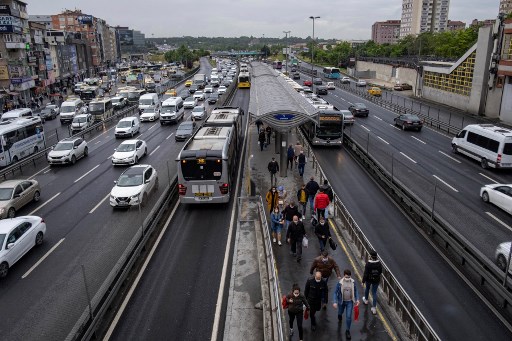
Embraer, Hyundai lead towards sustainable urban air mobility with EVs taxis
(MENAFN) In response to the growing imperative for more sustainable modes of air travel, aerospace giant Embraer and South Korean automotive leader Hyundai have embarked on a visionary venture centered around the development of air taxis. These innovative electric aircraft, championed by Hyundai's Supernal and backed by Embraer's Eve Air Mobility, represent a paradigm shift in urban transportation, offering a promising solution for densely populated cities and regions lacking robust public transport infrastructure.
The core concept behind these air taxis lies in their ability to take off and land vertically, circumventing the limitations of traditional airports and offering a more efficient means of navigating congested urban landscapes. By harnessing electric propulsion technology, these aircraft aim to substantially reduce carbon emissions, thereby addressing one of the aviation sector's most pressing environmental challenges.
While the potential benefits of air taxis in mitigating carbon emissions are widely acknowledged, their commercial viability hinges on overcoming a myriad of technological and regulatory hurdles. However, with the continuous decline in battery prices and ongoing advancements in aerospace technology, industry experts remain optimistic about the imminent realization of electric-powered air taxis. Moreover, the active involvement of industry heavyweights such as Hyundai signals a significant milestone in the mainstream adoption of this transformative mode of transportation.
Hyundai's Supernal and Embraer-backed Eve Air Mobility have set ambitious timelines for the official launch of their electric air taxis, aiming to introduce these futuristic vehicles to the market within the next two to four years. Shin Jaiwon, CEO of Supernal, underscores the imperative of expanding transportation options beyond conventional ground-based solutions, emphasizing the necessity of leveraging urban airspace to meet the evolving mobility needs of urban populations.
The advent of electric air taxis represents a pivotal juncture in the evolution of urban mobility, promising to revolutionize the way people traverse cities and navigate increasingly congested urban environments. As stakeholders continue to navigate the complexities of technological innovation and regulatory frameworks, the vision of a sustainable and efficient urban air transportation system draws closer to becoming a tangible reality, heralding a new era of mobility for generations to come.
The core concept behind these air taxis lies in their ability to take off and land vertically, circumventing the limitations of traditional airports and offering a more efficient means of navigating congested urban landscapes. By harnessing electric propulsion technology, these aircraft aim to substantially reduce carbon emissions, thereby addressing one of the aviation sector's most pressing environmental challenges.
While the potential benefits of air taxis in mitigating carbon emissions are widely acknowledged, their commercial viability hinges on overcoming a myriad of technological and regulatory hurdles. However, with the continuous decline in battery prices and ongoing advancements in aerospace technology, industry experts remain optimistic about the imminent realization of electric-powered air taxis. Moreover, the active involvement of industry heavyweights such as Hyundai signals a significant milestone in the mainstream adoption of this transformative mode of transportation.
Hyundai's Supernal and Embraer-backed Eve Air Mobility have set ambitious timelines for the official launch of their electric air taxis, aiming to introduce these futuristic vehicles to the market within the next two to four years. Shin Jaiwon, CEO of Supernal, underscores the imperative of expanding transportation options beyond conventional ground-based solutions, emphasizing the necessity of leveraging urban airspace to meet the evolving mobility needs of urban populations.
The advent of electric air taxis represents a pivotal juncture in the evolution of urban mobility, promising to revolutionize the way people traverse cities and navigate increasingly congested urban environments. As stakeholders continue to navigate the complexities of technological innovation and regulatory frameworks, the vision of a sustainable and efficient urban air transportation system draws closer to becoming a tangible reality, heralding a new era of mobility for generations to come.

Legal Disclaimer:
MENAFN provides the
information “as is” without warranty of any kind. We do not accept
any responsibility or liability for the accuracy, content, images,
videos, licenses, completeness, legality, or reliability of the information
contained in this article. If you have any complaints or copyright
issues related to this article, kindly contact the provider above.
Most popular stories
Market Research

More Story








Comments
No comment