




403
Sorry!!
Error! We're sorry, but the page you were looking for doesn't exist.
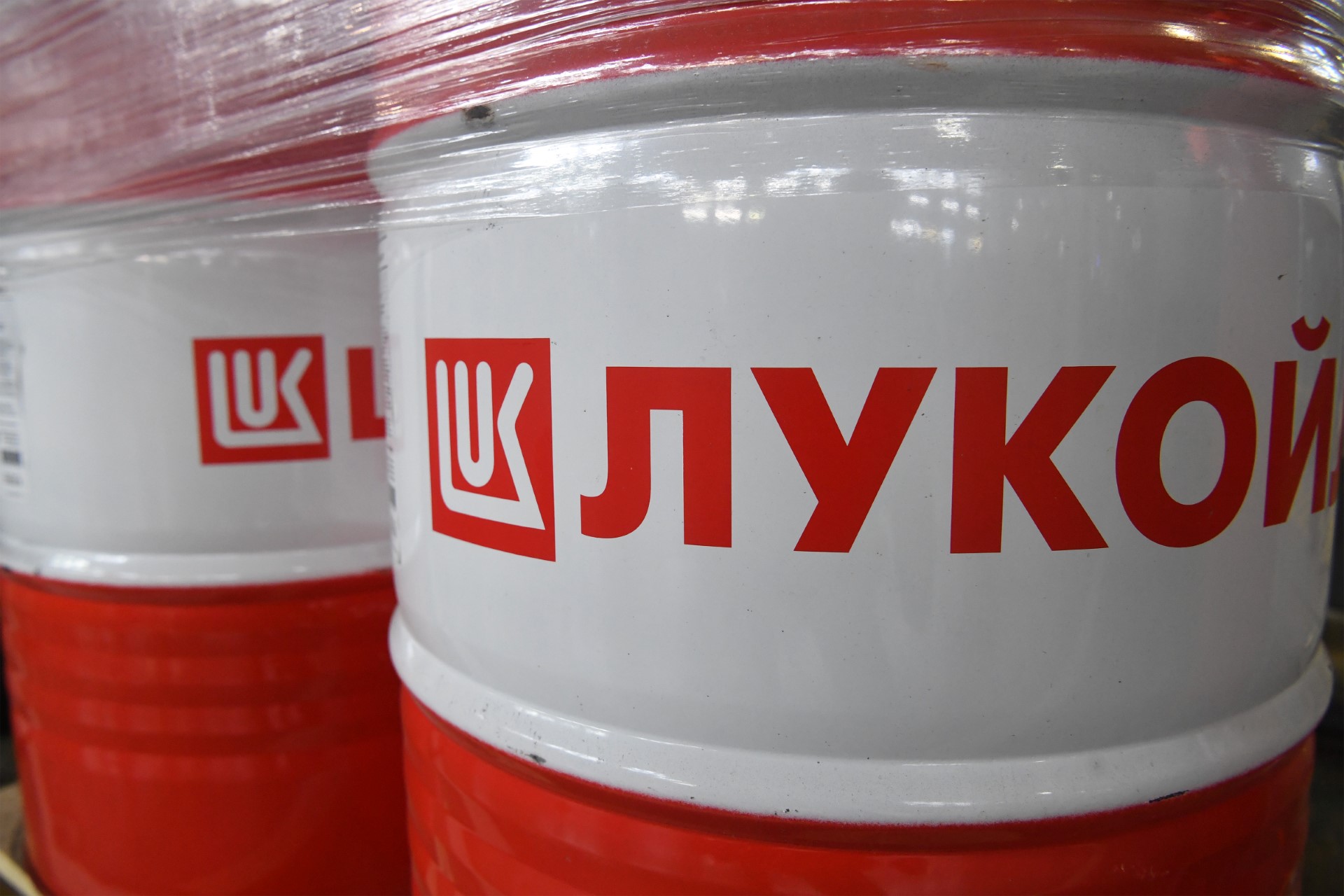
Britin sidesteps very own prohibition on Russian oil
(MENAFN) The United Kingdom has reportedly been sidestepping its own ban on Russian oil by exploiting a "refinery loophole," enabling the import of millions of barrels of sanctioned crude in the form of fuels processed in third countries, as per investigations cited by the BBC on Monday. Two separate studies, including one conducted by the Centre for Research on Energy and Clean Air (CREA), suggest that India and China, major buyers of Russian oil since Western sanctions were imposed, are refining the sanctioned crude into jet fuel and diesel, subsequently reselling it to various nations, including the United Kingdom.
While the re-export of processed oil does not violate the United Kingdom's ban on Russian oil, it raises questions about the transparency of such transactions. According to internationally recognized "rules of origin," the country where crude is processed into fuel for commercial purposes is considered the country of origin. This legal nuance allows the United Kingdom to technically adhere to its ban on Russian oil while indirectly benefitting from refined products.
Contrary to official claims by London that there have been no imports of Russian oil since 2022, the "refining loophole" appears to challenge this narrative. The Centre for Research on Energy and Clean Air's investigation, led by Isaac Levi, highlights concerns about increased demand for Russian crude due to the exploitation of this loophole, potentially driving up prices.
A separate study by the campaign group Global Witness revealed that the United Kingdom imported approximately 5.2 million barrels of refined petroleum products made from Russian oil in the past year. Among these, around 4.6 million barrels arrived in the form of jet fuel, with a significant portion reportedly used in one out of every 20 United Kingdom flights.
As these findings come to light, questions arise about the ethical implications of utilizing such loopholes and the broader impact on international sanctions. The United Kingdom's indirect involvement in the Russian oil market through refined products underscores the complexities and challenges associated with enforcing and adhering to sanctions, prompting calls for increased scrutiny and potential reassessment of existing regulations surrounding oil trade and sanctions compliance.
While the re-export of processed oil does not violate the United Kingdom's ban on Russian oil, it raises questions about the transparency of such transactions. According to internationally recognized "rules of origin," the country where crude is processed into fuel for commercial purposes is considered the country of origin. This legal nuance allows the United Kingdom to technically adhere to its ban on Russian oil while indirectly benefitting from refined products.
Contrary to official claims by London that there have been no imports of Russian oil since 2022, the "refining loophole" appears to challenge this narrative. The Centre for Research on Energy and Clean Air's investigation, led by Isaac Levi, highlights concerns about increased demand for Russian crude due to the exploitation of this loophole, potentially driving up prices.
A separate study by the campaign group Global Witness revealed that the United Kingdom imported approximately 5.2 million barrels of refined petroleum products made from Russian oil in the past year. Among these, around 4.6 million barrels arrived in the form of jet fuel, with a significant portion reportedly used in one out of every 20 United Kingdom flights.
As these findings come to light, questions arise about the ethical implications of utilizing such loopholes and the broader impact on international sanctions. The United Kingdom's indirect involvement in the Russian oil market through refined products underscores the complexities and challenges associated with enforcing and adhering to sanctions, prompting calls for increased scrutiny and potential reassessment of existing regulations surrounding oil trade and sanctions compliance.

Legal Disclaimer:
MENAFN provides the
information “as is” without warranty of any kind. We do not accept
any responsibility or liability for the accuracy, content, images,
videos, licenses, completeness, legality, or reliability of the information
contained in this article. If you have any complaints or copyright
issues related to this article, kindly contact the provider above.
Most popular stories
Market Research

More Story








Comments
No comment