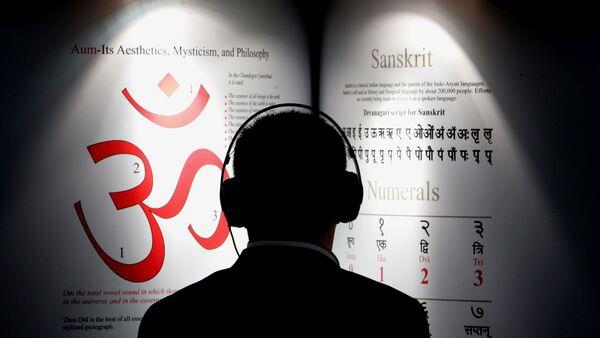
(MENAFN- Live Mint) "World Sanskrit Day, also recognized as International Sanskrit Day, Sanskrit Diwas, and Vishwa Samskrita Dinam, is commemorated on the occasion of Shravan Poornima, which corresponds to the full moon.World Sanskrit Day is observed with the aim of promoting Sanskrit, recognized as the world's oldest language.Additionally, it serves as a tribute to the birth anniversary of Pāṇini, a distinguished Sanskrit scholar and grammarian. Sanskrit is often referred to as Dev Vani, signifying the language of the deities.Also Read: Chandrayaan 3: A glossary of words you need to knowThis year, the Sanskrit Diwas falls on Thursday, August 31. The purpose of this day's celebration is to raise awareness and advocate for Sanskrit, one of India's oldest and ancient languages. Here are 10 English words derived from Sanskrit.1. Bungalow: Deriving from \"Bangla,\" which refers to Bengali-style houses in India, this word now signifies a single-story house, often with a veranda.2. Pundit: Refers to an expert, authority, or knowledgeable individual, often in a specific field, who provides insights and opinions on varitopics.3. Bandana: Comes from \"bandhana,\" meaning \"to tie,\" and originally referred to a colourful cloth used as a head covering or accessory. In modern English, it's a versatile piece of cloth used for varipurposes.Also Read: Is Sanskrit the best language to program computers and AI?4. Mantra: Signifies a sacred or repetitive phrase, word, or sound used in meditation, chanting, or spiritual practices to fothe mind and attain a certain state of consciousness.5. Nirvana: Conveys the ultimate state of enlightenment, liberation, or bliss, often associated with the cessation of suffering in Buddhism.6. Avatar: Originally a term for the physical embodiment of a deity in Hinduism, it now refers to a virtual representation or character in digital contexts.7. Yoga: Refers to a spiritual and physical practice that aims to achieve mental and physical balance and well-being through varipostures, breathing techniques, and meditation.Also Read: Sanskrit as India's official language? Ex-CJI Bobde cites 1949 media reports8. Karma: Denotes the principle of cause and effect, suggesting that one's actions in this life will influence their future experiences or circumstances.9. Guru: Describes a knowledgeable or authoritative figure who imparts wisdom, guidance, and mentorship to their disciples or followers.10. Chakra: In Sanskrit, \"chakra\" means \"wheel\" or \"circle.\" In English, it's often used to describe the energy centers in the body, according to yogic and spiritual traditions. These energy centers are believed to correspond to variphysical, emotional, and spiritual aspects of a person's well-being.
MENAFN31082023007365015876ID1106991591
Legal Disclaimer:
MENAFN provides the
information “as is” without warranty of any kind. We do not accept
any responsibility or liability for the accuracy, content, images,
videos, licenses, completeness, legality, or reliability of the information
contained in this article. If you have any complaints or copyright
issues related to this article, kindly contact the provider above.













Comments
No comment