




403
Sorry!!
Error! We're sorry, but the page you were looking for doesn't exist.
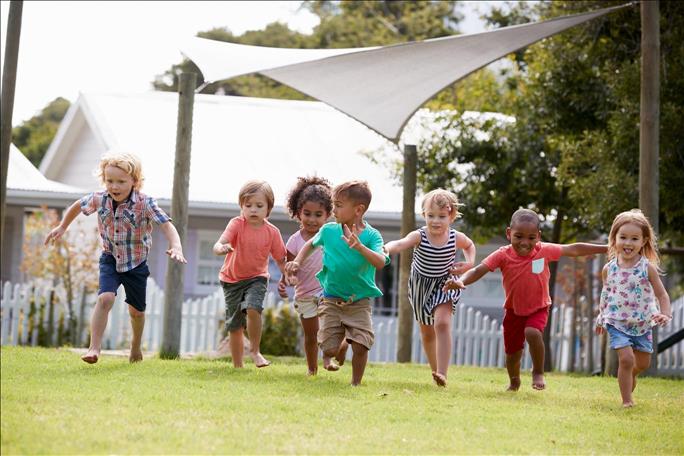
Children in childcare are not getting enough moderate to vigorous intensity physical activity
Author:Leigh Vanderloo
(MENAFN- The Conversation) Many children are nowenrolled in some type of childcarewhile their parents work, many for multiple hours a day, several days a week.
Given the increasingly busy schedules of today's families, parents often rely on early childhood educators (ECEs) in childcare centres to supply children with their daily physical activity, as well as other opportunities for nurturing their development.
But are they prepared for the challenge? The evidence suggests we may be placing an unfair burden on these education specialists.
Physical activity, in the form ofactive play, offers many benefits— physically, cognitively and socially. NewCanadianandinternational guidelines from the World Health Organizationidentify the need for young children to participate in daily heart-pumping physical activity.
We both havedoctoral degrees in health promotion , with a particular emphasis on physical activity in the early years. Our research in the Child Health and Physical Activity Lab at Western Universityshows that young children in childcare are not meeting national or international guidelines on physical acitivity . Specifically they are not getting enough moderate to vigorous intensity activity.
This places our kids at a huge disadvantage from a physical, psychological and social development perspective.
Childcare providers need better training
In one study of Ontario-based childcare providers,ECEs identified that they lack confidenceto develop opportunities and to engage young children in physical activity during childcare hours.
Read more:
Why kids need risk, fear and excitement in play
This means thatteacher education and professional development opportunities that teach 'how much' and 'how to' lead physical activityopportunities are essential training.
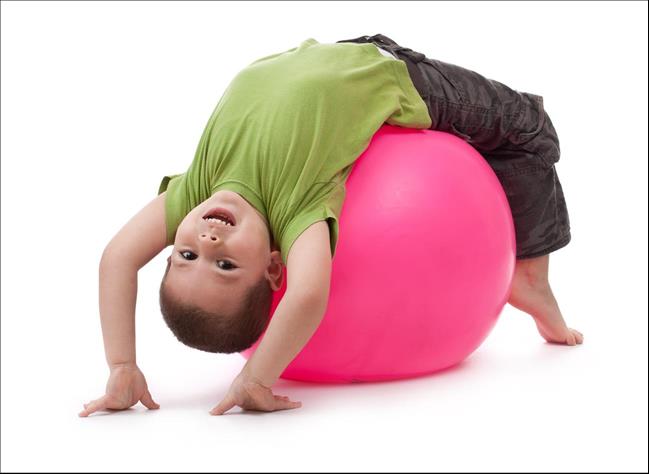
Active play can happen indoors as well as outdoors.
(Shutterstock)
We also need to support ECEs with appropriate equipment and resources. Dedicated gross motor space (outdoors and indoors, for when the weather is bad) andportable play equipment , such as balls, hoops and logs, are essential for getting kids tohop, skip, jump and run .
Children 10 times more active outdoors
Finally, theimportance of outdoor free playneeds to be emphasized — as an easy and inexpensive way to increase physical activity levels among this young population.
Read more:
Nature stories: Children experience the seasons with Indigenous knowledge keepers
Our research suggests that children are10 times more active outdoorsthan indoors in childcare. So getting kids (and adults) outside, regardless of the weather, supports their movement endeavours.
Outdoor playamong young children has been associated with improved self-confidence, self-awareness and decision-making.

Young children should have frequent opportunities for short outdoor play periods during the day.
(Shutterstock)
Outdoor play is also associated with increased access tobetter air quality(compared to indoors) — thus decreasing children's exposure to common allergens (e.g., dust, mould, pet dander) and infectious diseases.
Research into action
Research has identified theinfluence of childcare centres and staff on the physical activity levels of young children . Now is the time to put this knowledge into action.
Creating physical activity policies, supporting professional development and training in ECE diploma programs prior to entering the workforce, and consistent provision of varied portable equipment and outdoor play are key places to start.
However, there is still lots we need to know. How can we integrate more movement into educators' daily programming with kids? How can we make lesson plans more active? What can be done to maximize opportunities for gross motor movement indoors? More research is needed.
We are addressing this need with research which we hope will support and inform early childhood care settings. Such supports could include daily opportunities for short, frequent outdoor play periods. It could include educating children about the importance of moving their bodies daily along with active role modelling and positive prompts to kids when they engage in active play.
[Expertise in your inbox. Sign up for The Conversation's newsletter and get a digest of academic takes on today's news, every day.]

Legal Disclaimer:
MENAFN provides the
information “as is” without warranty of any kind. We do not accept
any responsibility or liability for the accuracy, content, images,
videos, licenses, completeness, legality, or reliability of the information
contained in this article. If you have any complaints or copyright
issues related to this article, kindly contact the provider above.
Most popular stories
Market Research

More Story







Comments
No comment