




403
Sorry!!
Error! We're sorry, but the page you were looking for doesn't exist.
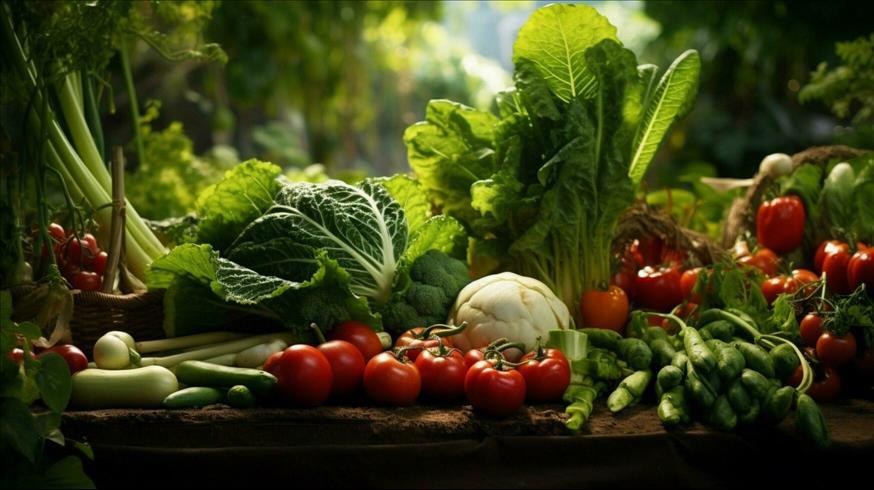
Fresh Vegetables In Gaza Found To Carry High Levels Of Multidrug-Resistant Bacteria, Study Warns
(MENAFN- ForPressRelease)
Gaza Strip, Palestine - A new study published in Microbiology Research Journal International has found widespread bacterial contamination and high levels of antimicrobial resistance in commonly consumed fresh vegetables collected from farms and markets across the Gaza Strip. The findings raise important public health concerns, particularly because many vegetables are eaten raw and may serve as a pathway for foodborne illness and the spread of multidrug-resistant bacteria.
Fresh vegetables are widely promoted as essential to a healthy diet. However, when contaminated during cultivation, harvesting, transport, storage, or handling, they can also carry harmful microorganisms. The new research, titled“Fresh Vegetables as a Source of Multidrug Resistant Pathogens,” examined 150 samples of ten common vegetables, including cucumber, tomato, lettuce, parsley, cabbage, radish, green onion, green mint, red cabbage, and eruca. Samples were collected from both local farms and markets in five governorates of the Gaza Strip.
The study found that nearly all samples showed microbial growth. Coliform bacteria, which can indicate fecal or environmental contamination, were detected in 98% of samples. Pseudomonas was found in 94%, Staphylococcus aureus in 90.6%, and Enterococcus in 83.3%. The researchers also identified several members of the Enterobacteriaceae family, including Escherichia coli, Klebsiella pneumoniae, Enterobacter, Citrobacter, and Proteus species.
“These results point to critical food safety gaps in the vegetable production and distribution chain,” the authors report. While the study does not suggest that all vegetables are unsafe, it shows that raw produce can become a vehicle for bacteria when sanitation, irrigation water quality, manure handling, storage, and market hygiene are inadequate.
A major concern highlighted by the study is antimicrobial resistance. Antimicrobial resistance occurs when bacteria evolve in ways that make antibiotics less effective. This can make infections harder to treat and increases the importance of prevention. In the study, 92.6% of Enterobacteriaceae isolates, 91.5% of Pseudomonas isolates, 92% of Enterococcus isolates, and 100% of S. aureus isolates were classified as multidrug resistant based on their multiple antimicrobial resistance index.
The resistance patterns varied by bacterial group. Enterobacteriaceae showed high resistance to several antibiotics and the lowest resistance to amikacin. S. aureus showed particularly high resistance to penicillin, while Enterococcus species also showed the highest resistance to penicillin. Pseudomonas isolates showed high resistance to ertem and lower resistance to amikacin compared with other tested drugs.
The researchers used standard microbiological methods to count and identify bacteria from vegetable samples. They then tested the bacteria against multiple antimicrobial agents using internationally recognized laboratory procedures, including disk diffusion and microbroth dilution methods aligned with Clinical and Laboratory Standards Institute guidance.
The study also compared contamination by vegetable type, source, and governorate. Both farm and market samples showed contamination, suggesting that risks may arise at multiple stages of the supply chain. Leafy and surface-rich vegetables, such as eruca, lettuce, mint, and parsley, showed notable contamination patterns, likely because their surfaces can retain soil, water, and microorganisms more easily.
The findings have practical implications for farmers, vendors, public health authorities, restaurants, and consumers. The authors recommend improved sanitation during farming, harvesting, transport, and storage; proper treatment of animal manure before use as fertilizer; avoidance of animal raising on agricultural land; better cleaning of harvesting and transport tools; removal of damaged vegetables; public education on foodborne disease risks; and stronger inspection of vegetable washing practices in restaurants and food-service settings.
Importantly, the study supports a“One Health” approach, recognizing that human health, agriculture, food systems, and the environment are closely connected. Reducing antimicrobial-resistant bacteria in food requires action not only in hospitals and clinics, but also in farms, markets, water systems, and food preparation environments.
About the Study
This cross-sectional study was conducted at the Communicable Diseases Surveillance Center of the Islamic University of Gaza. It analyzed 150 fresh vegetable samples from farms and markets across Gaza's five governorates to assess microbial quality and antimicrobial resistance. The findings underscore the need for continuous surveillance, safer agricultural practices, responsible antimicrobial use, and stronger food safety systems to protect public health.
References
Tafesh, R. I., & Elmanama, A. A. (2025). Fresh Vegetables as a Source of Multidrug Resistant Pathogens. Microbiology Research Journal International, 35(1), 70–81.
Asfaw, T., Genetu, D., Shenkute, D., Shenkutie, T. T., & Yitayew, B. (2023). Commonly Consumed Vegetables as a Potential Source of Multidrug-Resistant and β-Lactamase-Producing Bacteria in Debre Berhan Town, Ethiopia. Infection and drug resistance, 16, 3693–3705.
Fresh vegetables are widely promoted as essential to a healthy diet. However, when contaminated during cultivation, harvesting, transport, storage, or handling, they can also carry harmful microorganisms. The new research, titled“Fresh Vegetables as a Source of Multidrug Resistant Pathogens,” examined 150 samples of ten common vegetables, including cucumber, tomato, lettuce, parsley, cabbage, radish, green onion, green mint, red cabbage, and eruca. Samples were collected from both local farms and markets in five governorates of the Gaza Strip.
The study found that nearly all samples showed microbial growth. Coliform bacteria, which can indicate fecal or environmental contamination, were detected in 98% of samples. Pseudomonas was found in 94%, Staphylococcus aureus in 90.6%, and Enterococcus in 83.3%. The researchers also identified several members of the Enterobacteriaceae family, including Escherichia coli, Klebsiella pneumoniae, Enterobacter, Citrobacter, and Proteus species.
“These results point to critical food safety gaps in the vegetable production and distribution chain,” the authors report. While the study does not suggest that all vegetables are unsafe, it shows that raw produce can become a vehicle for bacteria when sanitation, irrigation water quality, manure handling, storage, and market hygiene are inadequate.
A major concern highlighted by the study is antimicrobial resistance. Antimicrobial resistance occurs when bacteria evolve in ways that make antibiotics less effective. This can make infections harder to treat and increases the importance of prevention. In the study, 92.6% of Enterobacteriaceae isolates, 91.5% of Pseudomonas isolates, 92% of Enterococcus isolates, and 100% of S. aureus isolates were classified as multidrug resistant based on their multiple antimicrobial resistance index.
The resistance patterns varied by bacterial group. Enterobacteriaceae showed high resistance to several antibiotics and the lowest resistance to amikacin. S. aureus showed particularly high resistance to penicillin, while Enterococcus species also showed the highest resistance to penicillin. Pseudomonas isolates showed high resistance to ertem and lower resistance to amikacin compared with other tested drugs.
The researchers used standard microbiological methods to count and identify bacteria from vegetable samples. They then tested the bacteria against multiple antimicrobial agents using internationally recognized laboratory procedures, including disk diffusion and microbroth dilution methods aligned with Clinical and Laboratory Standards Institute guidance.
The study also compared contamination by vegetable type, source, and governorate. Both farm and market samples showed contamination, suggesting that risks may arise at multiple stages of the supply chain. Leafy and surface-rich vegetables, such as eruca, lettuce, mint, and parsley, showed notable contamination patterns, likely because their surfaces can retain soil, water, and microorganisms more easily.
The findings have practical implications for farmers, vendors, public health authorities, restaurants, and consumers. The authors recommend improved sanitation during farming, harvesting, transport, and storage; proper treatment of animal manure before use as fertilizer; avoidance of animal raising on agricultural land; better cleaning of harvesting and transport tools; removal of damaged vegetables; public education on foodborne disease risks; and stronger inspection of vegetable washing practices in restaurants and food-service settings.
Importantly, the study supports a“One Health” approach, recognizing that human health, agriculture, food systems, and the environment are closely connected. Reducing antimicrobial-resistant bacteria in food requires action not only in hospitals and clinics, but also in farms, markets, water systems, and food preparation environments.
About the Study
This cross-sectional study was conducted at the Communicable Diseases Surveillance Center of the Islamic University of Gaza. It analyzed 150 fresh vegetable samples from farms and markets across Gaza's five governorates to assess microbial quality and antimicrobial resistance. The findings underscore the need for continuous surveillance, safer agricultural practices, responsible antimicrobial use, and stronger food safety systems to protect public health.
References
Tafesh, R. I., & Elmanama, A. A. (2025). Fresh Vegetables as a Source of Multidrug Resistant Pathogens. Microbiology Research Journal International, 35(1), 70–81.
Asfaw, T., Genetu, D., Shenkute, D., Shenkutie, T. T., & Yitayew, B. (2023). Commonly Consumed Vegetables as a Potential Source of Multidrug-Resistant and β-Lactamase-Producing Bacteria in Debre Berhan Town, Ethiopia. Infection and drug resistance, 16, 3693–3705.

Legal Disclaimer:
MENAFN provides the
information “as is” without warranty of any kind. We do not accept
any responsibility or liability for the accuracy, content, images,
videos, licenses, completeness, legality, or reliability of the information
contained in this article. If you have any complaints or copyright
issues related to this article, kindly contact the provider above.
Most popular stories
Market Research

More Story






Comments
No comment