




403
Sorry!!
Error! We're sorry, but the page you were looking for doesn't exist.
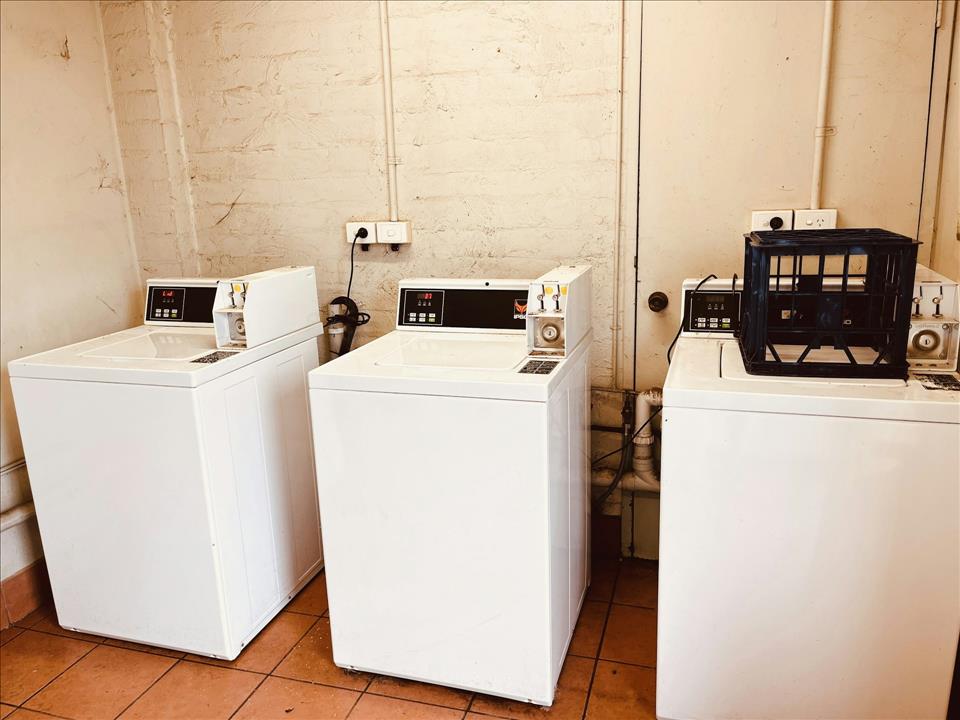
Washing Machines Could Support Skin Health For First Nations People If We Get The Wash Settings Right
Author: Rosemary Wyber
(MENAFN- The Conversation) Doing a load of laundry involves lots of decisions – from which cycle to choose to what detergent to use.

These choices may seem like simple personal preferences. But in communities where skin and other infections are common, doing laundry is often part of medical advice.
Washing clothes and bedding is widely recommended to help control skin and other infections. However, we haven't known which wash settings are needed to kill or remove pathogens found on fabrics.
How hot? For how long? And with what detergent?
Our new research aims to answer these questions.
Why washing mattersWashing clothes and bedding may be one way to support skin health.
Rural and remote First Nations communities experience a particularly high burden of skin infections. These infections are driven by the consequences of colonisation, socioeconomic marginalisation and housing inequity, which disproportionately affect First Nations people.
Skin infections can have serious consequences. For example, skin infections caused by the toxin-producing bacteria, Corynebacterium diphtheriae, are driving the current diphtheria outbreak that has already claimed one person's life.
Strep A skin infections can lead to acute rheumatic fever and rheumatic heart disease, conditions that can cause inflammation throughout the body and permanent damage to the heart. This has a big impact on the lives of children and families. Severe cases may lead to serious disability or death.
Improving access to effective washing may be one way to support wellbeing and curb the spread of skin disease. But we need to get our wash settings right.
Read more: Deep-rooted inequalities are driving the latest diphtheria outbreak. But we can fix them
What we studiedIn our new study, we conducted a systematic review that analysed all the available research about fabric contamination and the effect of washing practices on skin pathogens.
Our results show temperature is the most important factor in preventing the spread of skin infections. This was true across all the pathogens and parasites we reviewed.
We found it is most effective to launder clothes at a minimum temperature of 60°C for at least 15 minutes to effectively kill off any bugs or pathogens. This can be in a washing machine set to hot, or in a conventional dryer.
However, reaching these high temperatures is not always possible. Under current regulations, hot tap water can only reach a maximum of 50°C to prevent scalds. And only some washing machines have internal water heaters, so even a“hot” wash might not be hot enough. Heating water and running dryers is also energy intensive and expensive.
Detergents containing activated oxygen bleach can effectively kill some skin pathogens at lower temperatures. But we need more research to know whether detergents and disinfectants can make cold water washing more effective.
Washing in First Nations communitiesHowever, it's often not possible to wash laundry in a way that effectively kills pathogens. This is especially true in remote Aboriginal and Torres Strait Islander communities.
Many households struggle to purchase a reliable washing machine that is large enough to suit the needs of families. Washing machines can be twice as expensive in remote communities than urban areas, and the cost of electricity is exorbitant. Environmental factors such as dust, wet seasons and hard water – meaning water with higher concentrations of certain minerals – can damage machines and shorten their lifespan.
In some areas, as many as 70% of First Nations households go without a functional washing machine. Even fewer households have access to a dryer.
Community laundries may be one way to improve access to washing facilities. Our research shows that in the past decade, more than 50 communal laundry facilities have been set up in at least 38 rural and remote First Nations communities. These facilities give people free access to industrial washing machines, machine dryers, hot water and detergent.
Last November, the federal government committed A$11.4 million in funding for new or upgraded laundries.
Read more: How we partnered with local communities to halve skin sores among Aboriginal children in remote WA
Where to from hereWashing facilities are tied to the human rights to water, sanitation and dignity. They also have clear benefits for wellbeing.
But more work is needed to understand how effective washing could help reduce skin infection rates, particularly in remote First Nations communities.
One reason is funding for these laundry facilities is often tied to potential health benefits. The Remote Community Laundries Project, for example, aims to prevent serious conditions that can arise from skin infections. However, we don't have enough evidence for looking at the health impacts of having more laundry facilities, or how we can maximise them.
Another reason is we don't currently have guidance to support communities and laundry providers delivering these services. Our research highlights that the Australian Standard for Laundry Practice, for instance, has no specific recommendations about how community laundry facilities should be established or run.
Everyone has the right to wash and dry their clothes and bedding. But more work is needed to ensure washing facilities and practices meet the needs, preferences and priorities of First Nations communities.
Institution:Australian National University

Legal Disclaimer:
MENAFN provides the
information “as is” without warranty of any kind. We do not accept
any responsibility or liability for the accuracy, content, images,
videos, licenses, completeness, legality, or reliability of the information
contained in this article. If you have any complaints or copyright
issues related to this article, kindly contact the provider above.
Most popular stories
Market Research

More Story






Comments
No comment