



403
Sorry!!
Error! We're sorry, but the page you were looking for doesn't exist.
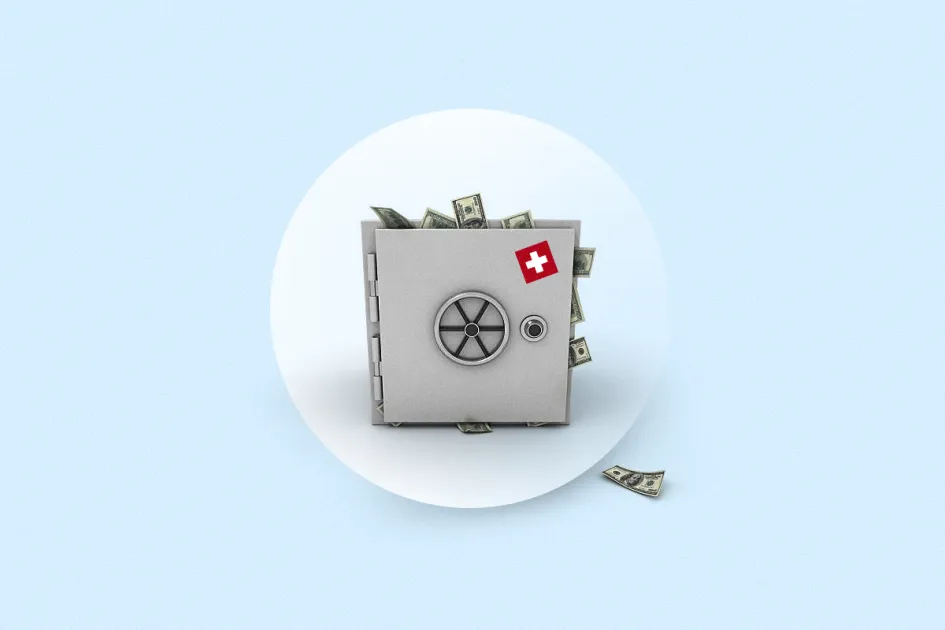
Swiss Bank Secrecy Regulations Explained
(MENAFN- Swissinfo)
Owning a Swiss bank account still evokes thoughts in many countries of dodgy dealings and hidden wealth. That's even after decades of reform.
This content was published on
June 8, 2026 - 09:00
8 minutes
From cross-strait relations (political and economic relations between China and Taiwan), the US-China rivalry, Sino-Swiss relations, China and its political structures to adaptive development and technological innovation, I report on foreign affairs and their possible impact on Swiss/Chinese politics, economics and society. A former journalist in Beijing, I am interested in China and its political structures, adaptive development and technological innovation. I studied journalism and communication in China and in Switzerland. Since joining SWI swissinfo in 2015, I have developed a keen interest in international affairs with a focus on China's relations with other countries/blocs and where Switzerland stands.
-
More from this aut
Chinese Departm
It's long been a crime in Switzerland to disclose information about money held in the nation's banks. Not just balances, transactions and account numbers but even whether an individual is a customer. Pressure from foreign governments and some local groups concerned about crime, corruption and terrorism has prompted reforms.
Yet many in and out of the country say these haven't gone far enough. Others, including the finance industry, some politicians and voters, say perceptions abroad are out of date and Switzerland has already cleaned up its act.
How secretive are Swiss banks these days?Article 47 of the Swiss Banking ActExternal link, dating from 1934, makes it a federal crime to divulge details on bank accounts even to Swiss authorities. Only if a client is already suspected of crimes such as tax evasion or money laundering must a bank report to officials.
Foreign states may ask Switzerland for help in such cases, as well as areas including corruption and terrorism, though the process can be slow and legally cumbersome.
Punishment for leakers, on the other hand, is severe. Intentionally or negligently breaking the rules can mean five years in prison or a fine of CHF250,000 ($320,000).
In one example from 2008, Hervé Falciani, a computer systems analyst at HSBC's Swiss branch, took confidential data on over 106,000 clients from more than 200 countries.
While prosecutors accused him of attempting to sell the information for profit, Falciani said he wanted to expose widespread tax evasion. His leak revealed how HSBC's Swiss branch had helped wealthy clients hide millions of dollars in assets and evade taxes from their nations' public revenue authorities, leading to multiple arrests and fines.
Regardless, in 2015 a Swiss court sentenced Falciani in absentia to five years in prison, though he remains free, as extradition requests were denied by both France and Spain.
The same year, Switzerland doubled down, amending Article 47 to expand criminal liability for leaks in a way that media groupsExternal link warned could hit whistleblowers and journalists even if the information was true and its release was in the public interest.
Press freedom organisations warn that this could place journalists and whistleblowers under criminal prosecution, even if the information is true and in the public interest:
More More Swiss banking secrecy law clashes with freedom of speechThis content was published on Feb 21, 2022 Journalists publishing leaked data of Credit Suisse bank clients could face up to five years in prison under Swiss law.
Read more: Swiss banking secrecy law clashes with freedom of s
Legal Disclaimer:
MENAFN provides the
information “as is” without warranty of any kind. We do not accept
any responsibility or liability for the accuracy, content, images,
videos, licenses, completeness, legality, or reliability of the information
contained in this article. If you have any complaints or copyright
issues related to this article, kindly contact the provider above.
Most popular stories
Market Research

More Story








Comments
No comment