







403
Sorry!!
Error! We're sorry, but the page you were looking for doesn't exist.
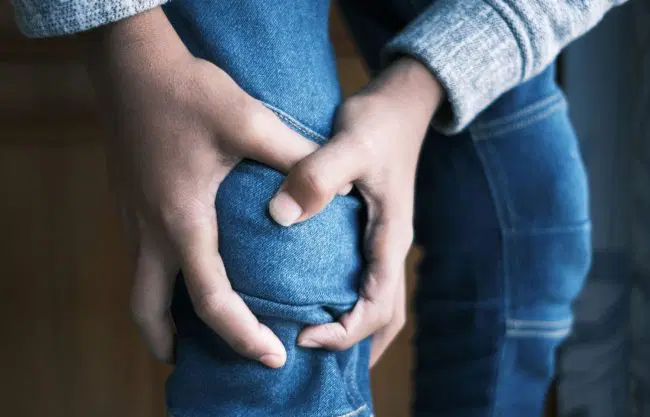
Why Joint Pain Gets Worse In Summer For Some Women - Doctors Explain
(MENAFN- Budget and the Bees)
Summer is often associated with outdoor activities, vacations, and warmer temperatures that can help loosen stiff joints. Yet for many women, the season brings an unexpected problem: worsening joint pain. If you've ever noticed your knees, hips, hands, or shoulders feeling more swollen or achy during a heatwave, you're not imagining it. Doctors say several factors linked to summer weather can contribute to increased discomfort, particularly for women living with arthritis, autoimmune conditions, or chronic inflammation. Understanding why summer joint pain occurs can help you take steps to stay active and comfortable throughout the season.
Heat and Humidity Can Trigger Joint Discomfort
Many people assume cold weather is the main culprit behind joint pain, but heat and humidity can be problematic as well. Research has found that changes in humidity, air pressure, and weather patterns may influence pain levels in people with arthritis and other joint conditions. High humidity can cause tissues around joints to retain fluid and swell, leading to stiffness and discomfort. Women with osteoarthritis or rheumatoid arthritis often report feeling worse during extended periods of hot, muggy weather. While the exact mechanism is still being studied, doctors agree that weather sensitivity is a real experience for many patients.
Women May Be More Vulnerable to Summer Joint PainHormonal differences can play a role in how women experience inflammation and pain. Estrogen fluctuations, especially during perimenopause and menopause, can affect joint health and may increase sensitivity to pain signals. Women are also more likely than men to develop autoimmune conditions such as rheumatoid arthritis, which can flare during periods of physical stress. For example, a woman in her 50s who spends several hours gardening during a humid summer afternoon may notice significantly more swelling and soreness later that evening. These combined factors help explain why summer joint pain may affect some women more intensely than others.
Dehydration Can Make Symptoms WorseOne of the most overlooked causes of summer joint pain is dehydration. During hot weather, the body loses more fluids through sweating, and even mild dehydration can affect joint function. Cartilage relies heavily on water to cushion and protect joints, so reduced hydration may increase friction and discomfort during movement. Doctors frequently recommend increasing water intake during the summer months, especially for people with arthritis or chronic joint issues. Staying properly hydrated can also help reduce fatigue, muscle cramps, and inflammation that may contribute to worsening symptoms.
Summer Lifestyle Changes Can Contribute to Flare-UpsSummer often brings changes in daily routines that can unintentionally aggravate joint conditions. People tend to travel more, spend longer periods standing, walk greater distances, or participate in activities they don't typically do during the rest of the year. While staying active is important for joint health, sudden increases in physical activity can strain joints and surrounding muscles. A weekend of sightseeing, hiking, or yard work may leave someone dealing with pain for several days afterward. Doctors recommend gradually increasing activity levels and taking breaks during physically demanding tasks to help prevent summer joint pain flare-ups.
Practical Ways to Reduce Summer Joint PainFortunately, there are several effective strategies that may help manage summer joint pain. First, stay hydrated throughout the day rather than waiting until you feel thirsty. Second, schedule outdoor activities during cooler morning or evening hours when temperatures are less intense. Third, consider low-impact exercises such as swimming or water aerobics, which allow movement without placing excessive stress on the joints. Finally, maintain a healthy diet rich in fruits, vegetables, lean proteins, and omega-3 fatty acids, which may help support the body's natural anti-inflammatory processes. These simple adjustments can make a noticeable difference for many women during the hottest months of the year.
What Every Woman Should Remember This SummerSummer joint pain is a real concern for many women, particularly those with arthritis, autoimmune conditions, or age-related joint changes. Heat, humidity, dehydration, hormonal factors, and increased physical activity can all contribute to flare-ups during the warmer months. The good news is that proactive steps such as staying hydrated, exercising wisely, and monitoring symptoms can help reduce discomfort. Paying attention to how your body responds to seasonal changes allows you to make adjustments before pain becomes overwhelming. By understanding the causes of summer joint pain, women can enjoy the season while protecting their long-term joint health.
Have you noticed your joint pain getting worse during hot or humid weather, or do you actually feel better in the summer? Share your experience in the comments and join the conversation with other readers. Your insights may help someone else better understand and manage their symptoms.

Legal Disclaimer:
MENAFN provides the
information “as is” without warranty of any kind. We do not accept
any responsibility or liability for the accuracy, content, images,
videos, licenses, completeness, legality, or reliability of the information
contained in this article. If you have any complaints or copyright
issues related to this article, kindly contact the provider above.
Most popular stories
Market Research

More Story







Comments
No comment