



403
Sorry!!
Error! We're sorry, but the page you were looking for doesn't exist.
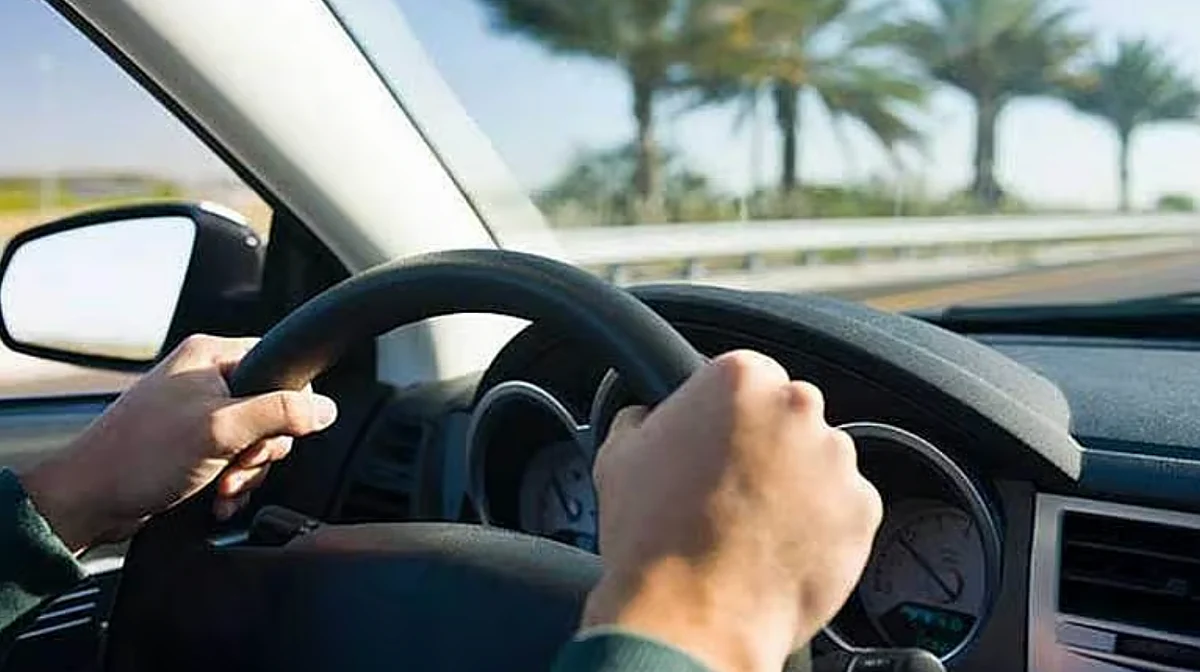
Feeling Shaky Or Dizzy While Driving? Doctors In UAE Warn Diabetics To Stop Immediately
(MENAFN- Khaleej Times) Even mild drops in blood sugar can affect concentration, reaction time, and decision-making behind the wheel, experts said
- By: SM Ayaz Zakir
Doctors in the UAE are urging motorists with diabetes to never ignore signs of low blood sugar while driving, warning that even mild episodes can affect concentration, reaction time and decision-making behind the wheel.
The warning comes after Abu Dhabi Police recently advised drivers, particularly those with diabetes, against getting behind the wheel during episodes of low blood sugar, known medically as hypoglycaemia, highlighting the risks it poses to road safety.
Recommended For You US military disables Gambia-flagged ship attempting to reach Iranian portDoctors explained that the brain is among the first organs affected when blood sugar levels fall below normal, as it relies heavily on glucose for energy.
Stay up to date with the latest news. Follow KT on WhatsApp Channels.
Dr Mohamed Mustafa Elsheikh, consultant internal medicine at Burjeel Medical Center, Al Falah, said low blood sugar can impair a driver's judgement even before serious symptoms appear.
“When blood glucose drops below normal levels, the brain becomes starved of fuel, leading to impaired cognitive function,” he said.
“This can result in confusion, slowed thinking, reduced awareness and, in more severe cases, loss of consciousness or a seizure. For a driver, even a mild drop can significantly affect judgement and decision-making without them fully realising it.”
He added that early warning signs include:
- Sweating
Trembling
Fast heartbeatHunger
Blurred visionLight-headedness
Difficulty concentratingUnusual irritability
According to Dr Sushil Sonawane, specialist endocrinologist at NMC Specialty Hospital, Al Ain, hypoglycaemia can quickly affect a driver's ability to react safely to changing road conditions.
“When blood glucose falls below critical thresholds, it starves the brain of fuel, leading to progressive cognitive and motor deterioration,” he said.
He explained that drivers experiencing low blood sugar may show erratic behaviour, including lane drifting, inappropriate braking, speeding, and even ignoring traffic signals.
“Cognitive decline leads to slower reaction times, distorted visual processing and impaired quick-decision capabilities,” he added.
Doctors also mentioned that severe hypoglycaemia can lead to confusion, blurred vision, seizures, loss of consciousness and a complete inability to self-treat, making it particularly dangerous for motorists.
The risk is generally higher among diabetic patients who use insulin, those who skip meals, fast for long periods, have had diabetes for many years, or suffer from kidney or liver disease. Intense physical activity and alcohol consumption can also increase the risk of sudden drops in blood sugar levels.
Mohamed said that dehydration and heat stress, especially during the UAE summer, may indirectly affect glucose control, making it important for motorists to stay hydrated.
What diabetic drivers should do before getting on the roadDoctors highlighted that diabetic drivers should make checking their blood sugar levels part of their routine before starting a journey.
Sushil said blood glucose levels should be at least 90 mg/dl (5 mmol/l) before driving.“Always check your blood glucose before driving,” he said, advising motorists to eat balanced meals before travelling and avoid driving on an empty stomach.
Doctors advised diabetic drivers to:
- Check blood sugar before driving
Ensure levels are above 90 mg/dl (5 mmol/l)
Carry glucose tablets, juice or sugary sweetsKeep a glucometer within reach
Stop immediately if symptoms developRecheck blood sugar every two hours during long journeys
If symptoms of low blood sugar develop while driving, doctors said motorists should pull over immediately to a safe location, switch off the engine, and consume a fast-acting source of sugar.
“Drivers should wait until symptoms have completely resolved and blood glucose levels return to normal before resuming their journey,” said Dr Sushil.
Doctors also recommend carrying a diabetes identification card or medical bracelet, particularly for elderly drivers, as well as keeping water and emergency contact information readily available in the vehicle.
ALSO READ- Watch: Abu Dhabi driver crashes into car after sudden drop in blood sugar UAE doctors warn of 'silent' diabetes emerging from chronic childhood malnutrition How lifestyle, stress and AI are shaping diabetes management in the Middle East

Legal Disclaimer:
MENAFN provides the
information “as is” without warranty of any kind. We do not accept
any responsibility or liability for the accuracy, content, images,
videos, licenses, completeness, legality, or reliability of the information
contained in this article. If you have any complaints or copyright
issues related to this article, kindly contact the provider above.
Most popular stories
Market Research

More Story







Comments
No comment