




403
Sorry!!
Error! We're sorry, but the page you were looking for doesn't exist.
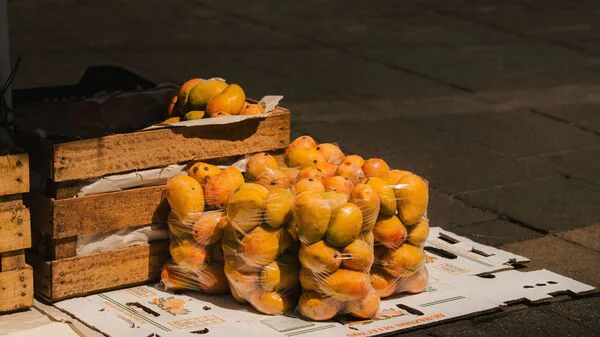
Big Blow To Indian Exporters As Japan Bans Indian Mango Imports After 20 Years Over 'Pest-Control' Lapses
(MENAFN- Live Mint) Japan has temporarily suspended imports of mangoes from India after its quarantine officials identified shortcomings in pest-control procedures at Indian export treatment facilities, dealing a setback to exporters during the peak summer mango season.
The restriction affects several premium Indian mango varieties, including Alphonso, Kesar, Langra and Banganapalli, which are shipped to Japan under stringent phytosanitary regulations. Japanese authorities are understood to have questioned whether Indian consignments were consistently meeting the country's plant health requirements.
Concerns raised over treatment facilitiesAccording to an Economic Times report, Japanese inspectors detected operational lapses at vapour heat treatment (VHT) centres in India during inspections carried out earlier this year. These facilities are responsible for disinfecting mangoes before export to ensure they are free from pests such as fruit flies.
Also Read | 20 years old mango, blouse adorned with jewellery: Isha Ambani at Met GalaJapan maintains a zero-tolerance approach towards invasive pests, especially fruit flies, which are regarded as a major risk to the country's agriculture sector.
Following the inspections, the Yokohama Plant Protection Association reportedly informed importers that Indian mango consignments carrying inspection certificates issued after March 25, 2026, would not be accepted.
First major restriction in nearly two decadesThe move marks Japan 's first significant restriction on Indian mango imports in almost 20 years. Tokyo had earlier imposed a similar ban over fruit fly infestations, which was lifted in 2006 after India strengthened its treatment and certification mechanisms.
Also Read | Mango wars: China grown Indian mango varieties eat into India's exportsAlthough Japan is not among the largest overseas destinations for Indian mangoes, the suspension is being seen as a reputational setback for India's agricultural exports. Reports suggested that exporters fear the development could lead to increased scrutiny of India's quality-control systems and export compliance standards in other global markets.
Farmers already facing severe lossesThe timing has added to the difficulties faced by mango growers, particularly in Maharashtra's Alphonso-producing regions, where farmers are already grappling with extensive crop damage caused by extreme heat and erratic weather linked to the El Nino climate pattern.
Government-backed assessments in certain areas have estimated crop losses of between 85 and 90 per cent this season.
Also Read | Mango wars: China grown Indian mango varieties eat into India's exportsIndia continues to remain the world's largest producer of mangoes, with annual output reaching nearly 28 million metric tonnes, although most of the produce is consumed domestically.
Talks likely to resolve impasseIndian authorities and exporters are expected to hold discussions with Japanese regulators to address the issue. Experts said India may now require stricter monitoring at treatment facilities, improved documentation practices and tighter pest-control compliance measures to regain access to the Japanese market at the earliest.
So far, neither Indian nor Japanese authorities have publicly disclosed the exact technical deficiencies identified during the inspections.

Legal Disclaimer:
MENAFN provides the
information “as is” without warranty of any kind. We do not accept
any responsibility or liability for the accuracy, content, images,
videos, licenses, completeness, legality, or reliability of the information
contained in this article. If you have any complaints or copyright
issues related to this article, kindly contact the provider above.
Most popular stories
Market Research

More Story






Comments
No comment