




403
Sorry!!
Error! We're sorry, but the page you were looking for doesn't exist.
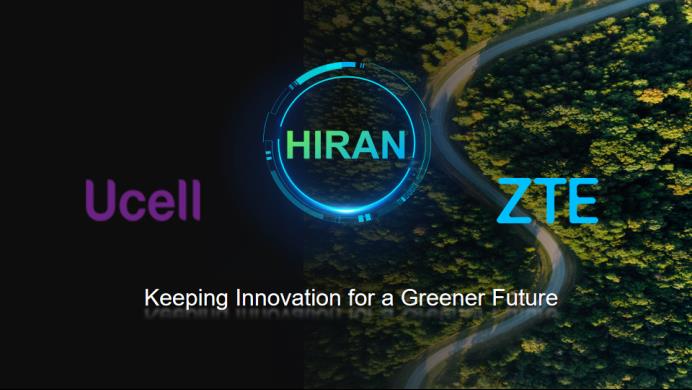
Uzbekistan's Ucell Embraces AI For Energy Optimization With Chinese ZTE
(MENAFN- Trend News Agency)
TASHKENT, Uzbekistan, May 29. Chinese
telecommunications equipment manufacturer ZTE Corporation and Uzbek
mobile operator Ucell have announced the full commercial deployment
of an artificial intelligence-powered energy efficiency solution
across Ucell's network in Uzbekistan, Trend reports, citing ZTE.
The AI-RAN solution employs artificial intelligence and advanced analytics to dynamically optimize network energy consumption based on real-time traffic demand. During periods of low utilization, the system automatically activates power-saving modes at individual base stations and cells while maintaining network performance and service quality.
According to the companies, network energy efficiency, measured by the volume of data transmitted per kilowatt-hour, increased by 10.6 percent. This improvement enables the network to handle higher traffic volumes with the same level of energy consumption, thereby contributing to reduced operating costs and lower carbon emissions.
The system is based on a two-layer artificial intelligence architecture. The network layer is responsible for traffic forecasting and strategic management, while the base station layer manages real-time operations and network monitoring. The platform implements multi-level energy-saving mechanisms ranging from symbol-level optimization to hardware-level controls.
The solution also continuously monitors service quality before, during, and after the activation of power-saving modes. In cases where key performance indicators indicate instability, the system automatically disables energy-saving functions to ensure network reliability.
--
Legal Disclaimer:
MENAFN provides the
information “as is” without warranty of any kind. We do not accept
any responsibility or liability for the accuracy, content, images,
videos, licenses, completeness, legality, or reliability of the information
contained in this article. If you have any complaints or copyright
issues related to this article, kindly contact the provider above.
Most popular stories
Market Research

More Story







Comments
No comment