




403
Sorry!!
Error! We're sorry, but the page you were looking for doesn't exist.
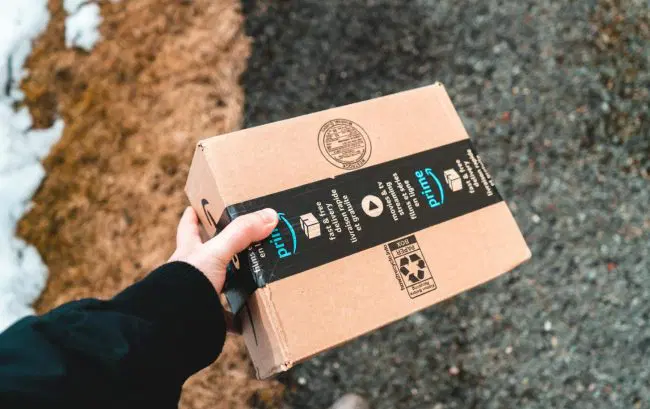
5 Amazon 'Subscribe & Save' Traps That Are Actually Costing You More Money This Month
(MENAFN- Budget and the Bees) Amazon Subscribe & Save can look like an easy win for busy shoppers trying to save on household essentials. The promise is simple: schedule repeat deliveries and unlock discounts on things you already buy. But many shoppers don't realize some subscriptions quietly drain their budgets instead of helping them save. From price increases to forgotten deliveries piling up at the door, these common Amazon Subscribe & Save traps could be costing you more money this month.1. Assuming the“Discount” Is Always the Lowest Price
One of the biggest Amazon Subscribe & Save mistakes is assuming the subscription price is automatically the best deal available. In reality, prices on Amazon change frequently, sometimes daily, and a Subscribe & Save item can suddenly cost more than a one-time purchase at another retailer. For example, a detergent pack priced at $19.99 last month might jump to $24.99 before your next shipment. Many shoppers don't notice because the charge processes automatically. A quick comparison with stores like Target, Walmart, or warehouse clubs can sometimes reveal a lower price without any subscription required.
2. Forgetting to Review Price Changes Before ShipmentAmazon does send notifications before upcoming deliveries, but plenty of shoppers ignore or miss those emails. That can be expensive when subscribed products quietly increase in price without much warning. Imagine subscribing to protein bars at $18, only to discover months later you've been paying $27 per shipment. Amazon Subscribe & Save does allow customers to cancel, skip, or modify orders before processing. Spending just a few minutes each month reviewing your subscription dashboard can help prevent surprise spending and unnecessary frustration.
3. Buying Items Faster Than You Actually Use ThemConvenience can easily turn into overbuying. A monthly shipment of coffee pods, paper towels, vitamins, or pet treats may sound practical until your cabinets start overflowing. Many households underestimate how long products actually last, especially when usage changes because of travel, diet shifts, or seasonal habits. That creates a hidden financial problem: tying up money in inventory you don't need yet. Adjusting delivery frequency based on real consumption habits is one of the smartest ways to make Amazon Subscribe & Save work in your favor.
4. Chasing Bigger Discounts by Adding Unnecessary ItemsAmazon sometimes offers larger discounts when shoppers receive five or more subscriptions in a single delivery cycle. That sounds appealing, but it can tempt people into subscribing to items they wouldn't normally buy. A small 15% discount means very little if you're spending money on extra cleaning products, snacks, or beauty items you didn't truly need. Behavioral finance experts often point out that discounts can trigger“deal psychology,” where saving feels more important than actual spending. The smarter move is sticking to products you consistently use rather than padding your cart just to unlock a higher percentage off.
5. Ignoring Better Deals Hidden Behind Coupons and SalesAnother overlooked Amazon Subscribe & Save trap involves missing limited-time promotions. Amazon frequently offers digital coupons, lightning deals, or temporary markdowns that beat the subscription price. Some shoppers stay locked into subscriptions and never check whether a one-time purchase would currently cost less. For example, a 20% coupon applied to a single order could outperform your standing subscription discount by several dollars. Smart shoppers compare subscription pricing against active deals before every shipment instead of assuming automation guarantees savings.
The Secret to Making Amazon Subscribe & Save Pay OffAmazon Subscribe & Save is not automatically bad for your wallet, but it does require active management. The shoppers who save the most usually monitor prices, adjust delivery schedules, and regularly remove subscriptions that no longer fit their spending habits. Convenience should support your budget, not quietly weaken it through overlooked charges and unnecessary stockpiles. Before your next shipment arrives, take five minutes to audit your subscriptions and ask yourself whether each item is still earning its place.
Have you discovered a sneaky Amazon Subscribe & Save charge or pricing surprise lately? Share your experience in the comments and let other readers know what caught you off guard.

Legal Disclaimer:
MENAFN provides the
information “as is” without warranty of any kind. We do not accept
any responsibility or liability for the accuracy, content, images,
videos, licenses, completeness, legality, or reliability of the information
contained in this article. If you have any complaints or copyright
issues related to this article, kindly contact the provider above.
Most popular stories
Market Research

More Story








Comments
No comment