




403
Sorry!!
Error! We're sorry, but the page you were looking for doesn't exist.
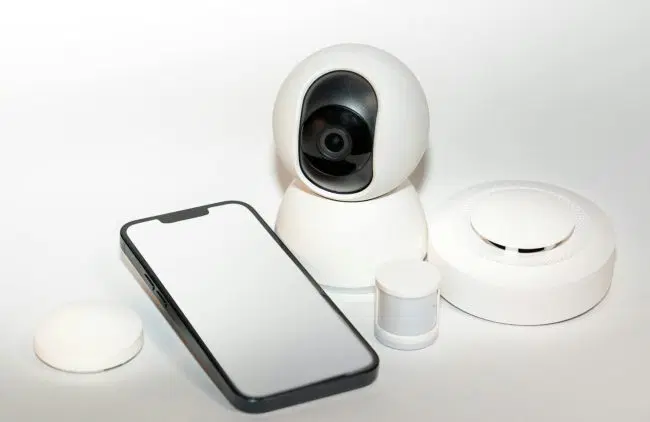
The 'Ring Camera' Reset: Why Your Interior Security System Needs A Regular Privacy Check In 2026
(MENAFN- Budget and the Bees) Your indoor camera may be protecting your home, but who is protecting your privacy? In 2026, millions of households use connected cameras in kitchens, nurseries, home offices, and living rooms, yet many people never revisit the settings they clicked through during setup. That's a problem because privacy controls, app permissions, and data-sharing options can change through software updates. An interior security system privacy check is no longer a tech chore for power users - it's basic digital home maintenance.Your Camera Settings May Not Be the Same Ones You Started With
A smart camera bought two years ago may operate very differently today. App updates can introduce new features, adjusted defaults, or optional data-sharing tools that users overlook during routine notifications. Consumer privacy experts continue warning that many homeowners assume their original settings stay locked in place, when that is rarely true. A regular interior security system privacy check helps confirm who can access your footage, how long recordings are stored, and whether unnecessary permissions are still enabled.
Think about a realistic scenario: you installed a nursery camera during a newborn phase, shared access with grandparents, and never updated permissions afterward. Three years later, that same account may still have multiple users, cloud archives, and device integrations you forgot existed. That is not paranoia - it is normal digital clutter. A privacy review helps you clean up access the same way you would review old passwords or banking alerts.
Interior Cameras Create Different Risks Than Doorbell CamerasPeople often treat indoor and outdoor cameras as the same category, but the privacy stakes are dramatically different. A doorbell camera captures packages, visitors, and the driveway. An indoor camera can record conversations, routines, children, work calls, and sensitive personal moments. That makes an interior security system privacy check especially important for cameras placed inside bedrooms, offices, or family spaces.
Some users believe strong passwords alone solve the issue, but privacy is broader than hacking prevention. You also need to examine data retention settings, microphone controls, cloud storage practices, and optional sharing features. Security researchers and consumer advocates have repeatedly pointed out that end-to-end encryption, where available, is not always turned on by default and can require manual setup.
The Five-Minute Privacy Reset Every Homeowner Should DoYou do not need cybersecurity training to perform an effective interior security system privacy check. Start by reviewing who has account access, including former roommates, family members, babysitters, or ex-partners. Next, reduce video retention to the shortest practical period instead of storing months of footage by default. Then verify two-factor authentication is active and inspect app permissions for location, contacts, microphone, and linked devices.
After that, review whether your camera supports encryption or local storage options that reduce cloud dependency. Finally, physically reconsider camera placement because the safest recording is often the footage you never collect in the first place. A camera aimed toward an entryway may provide security value without continuously capturing private household activity.
Privacy Concerns Are Not Just Hypothetical AnymorePublic concern around connected surveillance technology has intensified in recent years, especially as debates over AI detection tools, video access, and broader monitoring capabilities continue growing. Privacy watchdogs and consumer advocates increasingly encourage users to understand exactly what their devices collect and where that information goes. An interior security system privacy check helps address a common misconception: that convenience automatically equals safety.
Many homeowners still assume reputable brands eliminate privacy concerns entirely. In reality, even well-known platforms depend on user settings, account security, and informed decisions about storage and sharing. Trustworthy security requires active management, not blind faith in a logo or subscription plan. The goal is not to abandon smart cameras - it is to use them with clearer boundaries and smarter controls.
The 2026 Home Security Lesson Most People Learn Too LateThe smartest home in 2026 is not the one with the most cameras. It is the one where security and privacy work together instead of competing for attention. A recurring interior security system privacy check can help you catch outdated permissions, unnecessary recordings, and settings that no longer match your comfort level. That small habit can make the difference between feeling protected and feeling watched inside your own home.
What privacy setting surprised you the most when you last checked your indoor cameras? Share your experience in the comments - your tip could help another homeowner protect both their home and their personal space.

Legal Disclaimer:
MENAFN provides the
information “as is” without warranty of any kind. We do not accept
any responsibility or liability for the accuracy, content, images,
videos, licenses, completeness, legality, or reliability of the information
contained in this article. If you have any complaints or copyright
issues related to this article, kindly contact the provider above.
Most popular stories
Market Research

More Story








Comments
No comment